
- 1 - Understanding Cast Iron Restoration
- 2 - Key Steps in Cast Iron Restoration
- 3 - Tools and Materials Used by Professionals
- 4 - Common Mistakes to Avoid During Restoration
- 5 - Expert Tips for Maintaining Your Cast Iron
- 6 - Conclusion: Why Cast Iron Restoration is Worth It
1 - Understanding Cast Iron Restoration
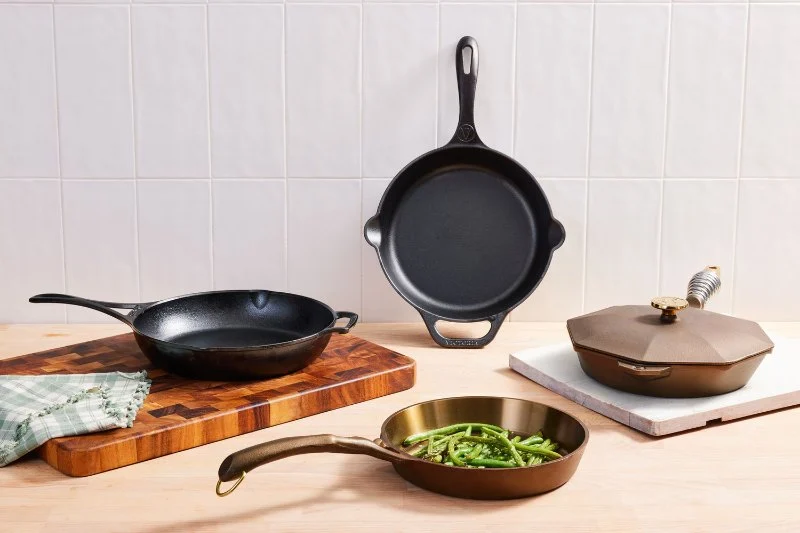
Cast iron cookware is known for its durability, but over time, it can suffer from rust, scratches, or a lack of seasoning. Restoring cast iron is an art form that requires patience and a solid understanding of how to bring old cookware back to life. Professionals take pride in their ability to restore cast iron to its former glory, ensuring it lasts for generations. In this article, we will delve into the techniques and methods professionals use to restore cast iron cookware, so you can apply these principles to your own pieces.

Miracle Method Surface Refinishing / miracle refinish tubs
Santa RosaSonoma CountyCalifornia
3200 Dutton Ave Suite #325, Santa Rosa, CA 95407, USA
2 - Key Steps in Cast Iron Restoration
Restoring cast iron involves several critical steps, each one important for ensuring the longevity and functionality of your cookware. Below are the key steps professionals take when restoring cast iron:
2.1 Cleaning the Cast Iron
The first step in any cast iron restoration is cleaning the piece. Professionals typically start by removing any dirt, grease, or old food remnants. For rusty pieces, they may use a wire brush, steel wool, or a vinegar solution to break down the rust. It’s important to avoid using soap as it can strip the cast iron’s seasoning layer. After cleaning, the cast iron is thoroughly dried to prevent further rusting.
2.2 Removing Rust
If rust is present, it’s essential to remove it completely. This can be done by scrubbing the cast iron with a combination of coarse salt and oil. For more severe rust, professionals might use a sandblaster or electrolysis to remove the rust without damaging the integrity of the cast iron.
2.3 Re-Seasoning the Cast Iron
Once cleaned and rust-free, the next step is to re-season the cast iron. Seasoning involves applying a thin layer of oil to the cookware and heating it until it polymerizes into a protective coating. This coating helps to prevent rust and creates a naturally non-stick surface. Professionals often use vegetable oil or flaxseed oil for the best results, and they will heat the cast iron at high temperatures for a couple of hours to ensure proper seasoning.
3 - Tools and Materials Used by Professionals
To restore cast iron effectively, professionals rely on high-quality tools and materials. Some of the most common tools and materials they use include:
3.1 Wire Brushes and Scrapers
These are used to remove rust and stubborn grime from the surface of the cast iron. They come in different shapes and sizes to fit various cookware pieces.
3.2 Steel Wool and Sandpaper
For more intensive cleaning, professionals may use steel wool or sandpaper to smooth out the surface of the cast iron and remove rust or oxidation.
3.3 Electrolysis Setup
Electrolysis is a method used by professionals to remove rust from cast iron pieces. It involves submerging the cookware in a solution of water and washing soda while using electricity to break down the rust particles.
3.4 High-Quality Oils
Flaxseed oil and vegetable oil are the go-to choices for re-seasoning cast iron. These oils help create a durable, non-stick layer that can withstand heat and repeated use.
4 - Common Mistakes to Avoid During Restoration
While restoring cast iron is relatively straightforward, there are several common mistakes that can hinder the process. Here’s what professionals recommend avoiding:
4.1 Using Soap to Clean Cast Iron
Many people think that soap is necessary to clean cast iron, but it can actually strip away the seasoning. Instead, use hot water and a non-abrasive scrubbing tool.
4.2 Overheating During Seasoning
While high temperatures are required for seasoning, overheating can damage the cast iron. Professionals carefully monitor the heat to ensure that the cookware doesn’t crack or warp.
4.3 Inadequate Drying
After cleaning, it's crucial to dry the cast iron thoroughly. Any moisture left behind can lead to rust. Professionals often dry their cast iron by heating it on the stovetop or in the oven.
5 - Expert Tips for Maintaining Your Cast Iron
Proper maintenance is key to keeping your cast iron cookware in optimal condition. Here are some expert tips for maintaining your cast iron:
5.1 Regular Seasoning
Even after restoration, it’s important to continue seasoning your cast iron regularly. This will help maintain its non-stick surface and prevent rust.
5.2 Avoid Cooking Acidic Foods
Acidic foods, like tomatoes, can strip the seasoning off cast iron, so it’s best to avoid cooking them in your cast iron pans unless the cookware is well-seasoned.
5.3 Store Properly
Store cast iron in a dry place to avoid moisture buildup. Some people place a paper towel or cloth between cast iron pieces when stacking them to help absorb any moisture that may accumulate.
6 - Conclusion: Why Cast Iron Restoration is Worth It
Restoring cast iron cookware is a worthwhile investment for both functionality and longevity. With proper care and maintenance, cast iron can last for generations. Professionals use time-tested methods to restore and maintain cast iron, ensuring that these pieces continue to serve in the kitchen for many years. Whether you're dealing with rust, damage, or a lack of seasoning, following the steps outlined above will help you restore your cast iron to its former glory. For the best tools, products, and services for cast iron restoration, visit Cast Iron Restoration to find everything you need to keep your cookware in top shape.



 Cabinetland Kitchen and Bathroom Remodeling Chicago4.0 (83 reviews)
 OKay Home Renovation and House Painters5.0 (4 reviews)
 Revitalize Refinishing, LLC4.0 (6 reviews)
 TubNotch Home Renovations4.0 (92 reviews)
 VIP Remodeling Services LTD5.0 (6 reviews)
 NuFinishPro of San Jose5.0 (141 reviews)
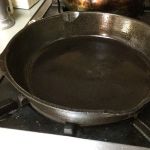 How to Refurbish a Cast Iron Skillet at Home: A Complete Guide
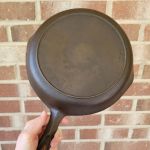 Best Products for Cast Iron Restoration Service: Top Tools and Products
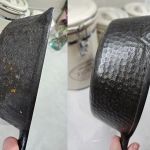 Simple At-Home Techniques for Cast Iron Restoration | Restore Your Cookware
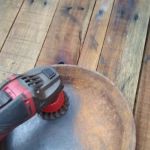 How to Restore Cast Iron at Home | A Complete Guide for Beginners
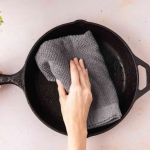 How Long Does Cast Iron Skillet Refinishing Take? Realistic Timeline for Restoration
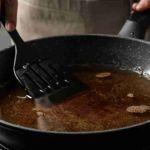 What to Avoid When Attempting Cast Iron Refinishing: Common Mistakes to Watch Out For