Cast Iron Restoration
Cast Iron Restoration BlogCast Iron Refinishing Near MeBathroom Remodel Near MeKitchen Remodel Near Me
AlabamaArizonaCaliforniaColoradoConnecticutDelawareDistrict of ColumbiaFloridaGeorgiaIllinoisIndianaKansasKentuckyLouisianaMaineMarylandMassachusettsMichiganMinnesotaMississippiMissouriNebraskaNevadaNew HampshireNew JerseyNew MexicoNew YorkNorth CarolinaOhioOklahomaOregonPennsylvaniaRhode IslandSouth CarolinaTennesseeTexasUtahVirginiaWashingtonWest VirginiaWisconsin

Cast Iron RestorationCast Iron Restoration Blog

How Often Should You Season a Cast Iron Pan for Optimal Performance?

How Often Should You Season a Cast Iron Pan for Optimal Performance?How Often Should You Season a Cast Iron Pan for Optimal Performance?season cast iron pan, cast iron maintenance, how to season cast iron, cast iron care, cast iron skillet seasoning frequencyLearn how often you should season your cast iron pan to keep it in top shape. Discover tips for maintaining your cast iron cookware for longevity and optimal performance.

Why Seasoning Is Essential

Seasoning your cast iron pan is a key part of maintaining its longevity and functionality. The seasoning process involves applying a layer of oil and heating the pan to create a non-stick, rust-resistant surface. This not only prevents rust but also enhances the pan’s cooking performance, allowing you to cook with less oil and improving the flavor of your food.Without proper seasoning, cast iron pans can rust, become difficult to clean, and lose their non-stick properties. A well-seasoned cast iron pan is an investment in cooking efficiency and taste, as it helps distribute heat evenly and prevents food from sticking.

How Often to Season Your Cast Iron

The frequency with which you need to season your cast iron pan depends on how often you use it and the type of food you cook. Here are some general guidelines to help you determine when to season your pan:After Every Few Uses: If you cook with acidic foods like tomatoes or vinegar-based sauces, it's a good idea to season your pan every 5 to 10 uses. Acidic foods can strip the seasoning, leaving the surface exposed and prone to rust.Once a Season: For regular use with non-acidic foods, seasoning once every few months is generally sufficient to maintain the pan’s non-stick surface and prevent rust. If the pan begins to lose its shine or starts to feel sticky, it may be time for a fresh layer of seasoning.After Deep Cleaning: If you’ve used harsh methods to clean your pan, such as using soap or steel wool, it’s important to reseason the pan to restore its protective layer.If You Notice Rust: If your cast iron pan develops rust spots, it’s essential to season it immediately to protect it from further damage.

Steps to Properly Season Your Cast Iron

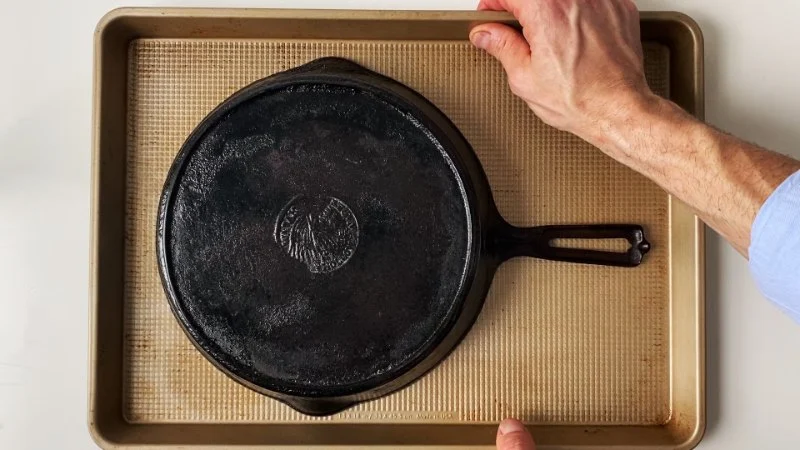
Proper seasoning is crucial to ensure your cast iron performs well. Follow these steps to season your pan:Clean Your Pan: Before seasoning, ensure the pan is clean and free of food residue. You can scrub it with hot water and a mild scrub brush. If there’s rust, use a non-abrasive scrubbing pad to remove it.Dry the Pan Completely: Dry the pan thoroughly with a towel, and then place it on low heat for a few minutes to ensure all moisture evaporates.Apply Oil: Use a thin layer of oil with a high smoke point, such as vegetable oil, flaxseed oil, or canola oil. Coat the entire surface, including the handle and the outside of the pan.Heat the Pan: Place the oiled pan upside down in an oven preheated to 450°F (232°C). Place a sheet of aluminum foil on the bottom rack to catch any drips. Bake the pan for 1 hour to allow the oil to polymerize and bond to the cast iron.Cool Down: After baking, turn off the oven and let the pan cool inside. This helps the seasoning process continue as the pan gradually cools.

Common Mistakes When Seasoning Cast Iron

While seasoning a cast iron pan may seem simple, there are a few common mistakes to watch out for:Overloading with Oil: Using too much oil can cause the seasoning to become sticky or uneven. Always apply a thin layer of oil to avoid this problem.Not Heating the Pan Properly: If the pan isn’t heated enough, the oil won’t bond properly, resulting in a weak seasoning layer. Ensure your oven reaches the desired temperature before you place the pan inside.Skipping the Cleaning Step: Failing to clean your pan properly before seasoning can result in food residue getting trapped under the seasoning layer, causing sticking and rust.Using Soap for Cleaning: While a little soap won’t harm your pan if used sparingly, frequent soap use can strip the seasoning. Instead, opt for hot water and a gentle brush or scraper.

Maintaining Your Cast Iron Pan Between Seasons

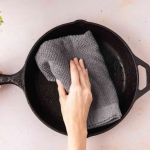
After you’ve seasoned your cast iron pan, proper maintenance is essential to keep it in top shape:Use it Regularly: Regular use helps maintain the seasoning. Cooking fatty foods, like bacon or steaks, can naturally replenish the seasoning.Avoid Soaking: After use, clean your cast iron pan right away with warm water. Don’t soak it, as this can cause rust to form. If you need to remove stuck food, use a gentle brush or scraper.Dry Immediately: Always dry your pan completely after cleaning to prevent rust. Heat it on the stove briefly to ensure all moisture evaporates.Lightly Oil After Each Use: After cleaning, apply a small amount of oil to the surface of the pan to maintain the seasoning. This also helps prevent rust.

Conclusion

Seasoning a cast iron pan is an essential step in maintaining its performance and longevity. By seasoning regularly, you can ensure your pan remains non-stick, rust-free, and ready to cook. Whether you season after every few uses or once a season, following the correct process and avoiding common mistakes will help you get the most out of your cast iron cookware.For the best cast iron care products and tips, visit Cast Iron Restoration for expert advice and recommended supplies!

Trending Blog Articles

Popular Blog Posts

Categories

Top Visited Sites

Must-Read Cast Iron Restoration Blog Posts

Top Searches

Trending Cast Iron Restoration Blog Posts