
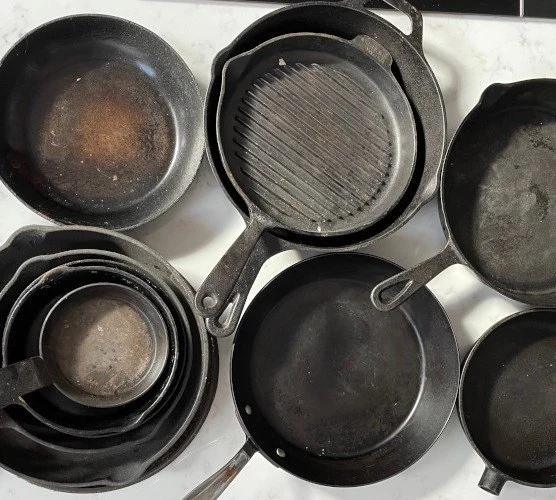
How Long Does It Take to Refinish Cast Iron Pans?
- 1 - Understanding the Refinishing Process
- 2 - Steps to Refinishing Cast Iron
- 3 - Factors That Influence Refinishing Time
- 4 - How to Speed Up the Process
- 5 - Why Refinishing Is Worth the Wait
1 - Understanding the Refinishing Process
Refinishing a cast iron pan is a process that requires patience and the right tools, but it can bring a well-used or neglected pan back to life. If you've ever wondered, "How long does it take to refinish cast iron pans?" the answer depends on several factors. Refinishing a cast iron pan involves stripping away old seasoning, cleaning, and re-seasoning the pan to restore its non-stick surface and prevent rust. It's a task that can take anywhere from a few hours to a few days, depending on the method you use and the condition of the pan.
The process typically includes removing any rust or old seasoning, scrubbing, and applying layers of oil or seasoning. The ultimate goal is to rejuvenate the pan to make it as functional and beautiful as when it was first purchased, ensuring that it cooks as efficiently as possible.

Miracle Method Surface Refinishing / miracle bathtub refinishing
Santa RosaSonoma CountyCalifornia
3200 Dutton Ave Suite #325, Santa Rosa, CA 95407, USA
2 - Steps to Refinishing Cast Iron
Refinishing cast iron pans requires a series of specific steps, which can vary depending on how you want to approach the process. Here's a general breakdown of the key steps involved:
2.1 Cleaning the Cast Iron Pan
The first step in refinishing a cast iron pan is thoroughly cleaning it. If your pan has rust or old seasoning, you'll need to remove those layers first. Use a wire brush or steel wool to scrub off any rust or stuck-on food. If the pan has heavy buildup, a solution of vinegar and water can help dissolve the rust. After cleaning, rinse the pan thoroughly and dry it completely to avoid any moisture causing future rust.
2.2 Stripping Old Seasoning
Stripping old seasoning is important if the pan has uneven or damaged layers. You can use a method such as an oven-cleaning cycle or a chemical-based stripper for this step. The process can take anywhere from a couple of hours to a day, depending on the method. After the old seasoning is removed, the pan will need to be cleaned again to ensure no residue remains.
2.3 Re-seasoning the Pan
The most crucial part of refinishing your cast iron pan is the re-seasoning process. This involves applying a thin layer of vegetable oil, flaxseed oil, or another suitable seasoning oil to the pan's surface. Once coated, the pan is baked in the oven at a high temperature to polymerize the oil, forming a durable non-stick surface. This step typically requires multiple layers of oil to build up the seasoning, and each layer should be baked for around an hour. Re-seasoning a pan can take several hours to a day, depending on how many layers you apply.
3 - Factors That Influence Refinishing Time
While the general process of refinishing a cast iron pan can take several hours to a few days, several factors can influence the total time it takes. These include:
3.1 Condition of the Pan
The more worn or rusty your pan is, the longer the refinishing process will take. A pan with minimal rust and old seasoning will be faster to clean and re-season, whereas a pan that has significant rust damage may require more intensive cleaning and multiple re-seasoning cycles.
3.2 Method Used for Refinishing
The method you choose to refinish your cast iron pan also affects the time it will take. Using an oven-cleaning cycle or a chemical stripper can speed up the process of removing old seasoning, but these methods also require careful monitoring to ensure the pan isn’t damaged. On the other hand, hand-cleaning the pan with steel wool and scrubbing may take longer but provides more control.
3.3 Layering of Seasoning
When seasoning a pan, you’ll need to apply multiple layers of oil and bake the pan between each layer. The more layers you apply, the longer the process will take. Many experts recommend at least 3-4 layers to ensure the seasoning is durable and effective.
4 - How to Speed Up the Process
Refinishing a cast iron pan can be a time-consuming process, but there are a few things you can do to speed it up:
4.1 Use a Faster Seasoning Method
One way to speed up the re-seasoning process is by using a fast-drying oil like flaxseed oil. This oil bonds well and creates a smooth layer quickly, meaning you don’t have to wait as long between seasoning layers. If you’re in a rush, try applying thin layers of oil and heating the pan in the oven for a shorter time.
4.2 Skip the Full Stripping Process
If your pan doesn’t have significant rust or damage, you might be able to skip the full stripping process and simply clean the pan with a mild scrub to remove any dirt or grease before re-seasoning. This can save a lot of time compared to completely stripping the seasoning off.
5 - Why Refinishing Is Worth the Wait
While refinishing a cast iron pan can be a time-consuming process, the results are worth the effort. A well-seasoned pan offers:
5.1 Longevity
A properly seasoned cast iron pan can last for generations, making it a valuable kitchen tool that only improves over time. Refinishing your pan will give it a fresh lease on life, ensuring it stays rust-free and functional for years to come.
5.2 Better Cooking Performance
A well-seasoned pan provides a natural, non-stick surface that improves cooking performance. The more seasoning layers you apply, the better the surface becomes for cooking everything from eggs to steaks. It helps in distributing heat evenly, which improves the overall cooking experience.
5.3 Healthier Cooking
Cast iron is a natural material that can add iron to your diet when used correctly. Seasoning it properly ensures it remains safe to cook with and doesn’t leach harmful substances into your food. By refinishing your pan, you're maintaining its safety and health benefits.



 Miracle Method4.0 (359 reviews)
 Benjamin Drywall and Painting Llc5.0 (2 reviews)
 Oriel's Construction Inc5.0 (15 reviews)
 SoCal Bathroom Reglazing & Refinishing0.0 (0 reviews)
 McAllister Home Builders5.0 (71 reviews)
 All Construction & Remodeling Solutions4.0 (90 reviews)
 How to Refurbish a Cast Iron Skillet at Home: A Complete Guide
 Best Products for Cast Iron Restoration Service: Top Tools and Products
 Simple At-Home Techniques for Cast Iron Restoration | Restore Your Cookware
 How to Restore Cast Iron at Home | A Complete Guide for Beginners
 How Long Does Cast Iron Skillet Refinishing Take? Realistic Timeline for Restoration
 What to Avoid When Attempting Cast Iron Refinishing: Common Mistakes to Watch Out For