
- 1 - Understanding Cast Iron and Its Value
- 2 - Cleaning Process Before Refinishing
- 3 - Effective Ways to Remove Rust
- 4 - Seasoning Techniques for Lasting Results
- 5 - Common Mistakes to Avoid in Cast Iron Refinishing
- 6 - Real-World Example from U.S. Homeowners
- 7 - Long-Term Maintenance Tips
- 8 - Final Expert Advice
1. Understanding Cast Iron and Its Value
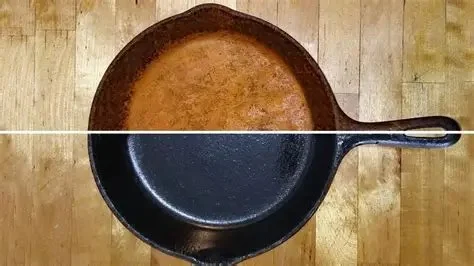
Cast iron cookware has been a staple in American kitchens for generations, prized for its durability, even heating, and rustic charm. Over time, however, cast iron can lose its non-stick surface, gather rust, or become discolored. That’s where expert tips on cast iron refinishing come in—restoring old pans not only makes them functional again but also preserves pieces that may hold family or historical value.
Many homeowners find joy in bringing a century-old skillet back to life, combining practicality with a touch of tradition.

Miracle Method Surface Refinishing / miracle refinish tubs
Santa RosaSonoma CountyCalifornia
3200 Dutton Ave Suite #325, Santa Rosa, CA 95407, USA
2. Cleaning Process Before Refinishing
The first step in refinishing cast iron is a thorough cleaning. Remove any food residue and oils using warm water and a stiff brush. Avoid using soap unless the pan is extremely dirty, as it can strip away protective layers. For heavily soiled pans, a mixture of coarse salt and a bit of warm water works as a natural abrasive to scrub away buildup.
Proper cleaning ensures that later steps—like rust removal and seasoning—are more effective and long-lasting.

America Refinishing Pros / america refinishing pros
9510 SW 137th Ave, Miami, FL 33186, USA
3. Effective Ways to Remove Rust
Rust is one of the biggest challenges when restoring cast iron. Light rust can often be scrubbed away with steel wool, while more severe cases may require soaking the pan in a vinegar and water solution (equal parts) for a few hours. Be careful not to over-soak, as vinegar can damage the metal if left too long.
Once rust is removed, dry the pan immediately to prevent new oxidation. Some enthusiasts even use electrolysis setups for severely rusted pans, though that method requires special equipment and knowledge.
4. Seasoning Techniques for Lasting Results
Seasoning is the process that gives cast iron its non-stick qualities and protection against rust. Apply a thin layer of vegetable oil, flaxseed oil, or canola oil over the entire surface, then bake it upside down in an oven at around 450°F for an hour. Repeating this process several times creates a hard, smooth surface that improves with use.
Experts recommend using thin layers of oil, as too much can leave a sticky residue. With patience and repetition, the skillet will develop a glossy black finish that signals it’s ready for daily cooking.
5. Common Mistakes to Avoid in Cast Iron Refinishing
Many beginners make the mistake of using harsh dish soap or soaking pans for too long, which strips away protective layers. Others apply thick coats of oil during seasoning, resulting in a tacky finish instead of a smooth surface. Another common error is failing to dry the pan immediately after washing, which leads to rust reappearing within hours.
Being mindful of these mistakes ensures your refinishing efforts lead to long-lasting results.
6. Real-World Example from U.S. Homeowners
In 2020, a viral Reddit thread showed a U.S. homeowner restoring a 100-year-old cast iron skillet found in a barn. The skillet was covered in rust and grime, but after careful cleaning, vinegar soaking, and multiple rounds of seasoning, it looked brand new. The post inspired thousands of Americans to dig out old cast iron from attics and thrift stores, proving that restoration is both rewarding and practical.
This real-world example highlights the joy and satisfaction that comes from restoring cast iron cookware instead of discarding it.
7. Long-Term Maintenance Tips
To maintain refinished cast iron, avoid leaving it in water and always dry it thoroughly after use. Apply a light layer of oil before storing to keep rust away. Cooking regularly in the skillet with a small amount of oil also strengthens the seasoning layer naturally. With consistent care, a refinished pan can last for decades and even be passed down to future generations.
For tools, oils, and professional guidance, Cast Iron Restoration provides curated products and expert services tailored for U.S. homeowners passionate about preserving their cookware.
8. Final Expert Advice
Refinishing cast iron may seem intimidating at first, but with the right techniques and patience, anyone can do it successfully. From cleaning and rust removal to proper seasoning, each step contributes to bringing cookware back to life. The key is consistency and avoiding shortcuts that compromise results.
For enthusiasts and beginners alike, expert resources from Cast Iron Restoration ensure you have access to reliable tools, supplies, and professional insights to make the process easier and more rewarding.



 Re-Bath5.0 (110 reviews)
 Cutting Edge Reglazing - Bathtub and Tile Refinishing4.0 (130 reviews)
 Lemont Kitchen and Bath, Inc5.0 (6 reviews)
 Dream Kitchens4.0 (25 reviews)
 Granite Mountain4.0 (137 reviews)
 NuFinishPro of Newport Beach5.0 (38 reviews)
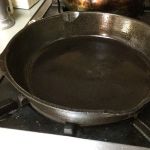 How to Refurbish a Cast Iron Skillet at Home: A Complete Guide
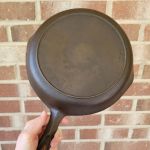 Best Products for Cast Iron Restoration Service: Top Tools and Products
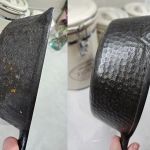 Simple At-Home Techniques for Cast Iron Restoration | Restore Your Cookware
 How to Restore Cast Iron at Home | A Complete Guide for Beginners
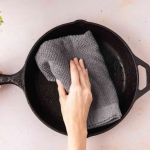 How Long Does Cast Iron Skillet Refinishing Take? Realistic Timeline for Restoration
 What to Avoid When Attempting Cast Iron Refinishing: Common Mistakes to Watch Out For