
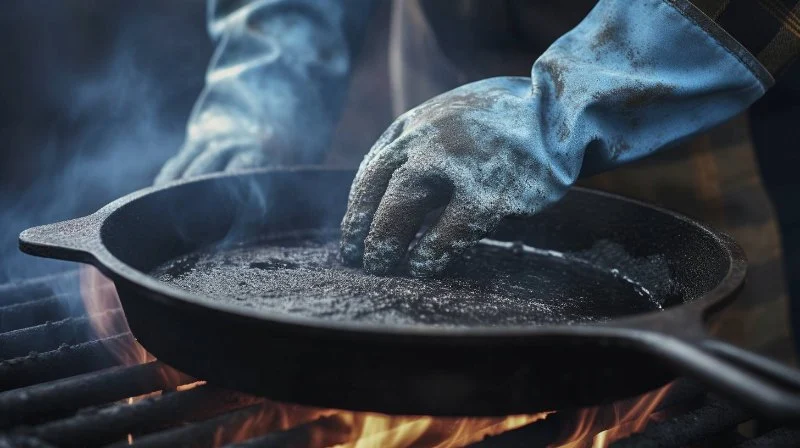
1. Expert Advice on Cast Iron Restoration for Old Cookware
Restoring old cast iron cookware can breathe new life into your kitchen essentials, whether you’ve inherited a family heirloom or stumbled upon a vintage piece at a flea market. With the right techniques and tools, you can transform a worn-down skillet or pot into a functional, non-stick beauty. In this article, we will dive into expert advice on how to restore old cast iron cookware and the essential steps to bring back its original shine.

Miracle Method Surface Refinishing / miracle refinish tubs
Santa RosaSonoma CountyCalifornia
3200 Dutton Ave Suite #325, Santa Rosa, CA 95407, USA
2. Understanding the Value of Cast Iron Restoration
Why should you bother restoring an old cast iron piece? The answer is simple: Cast iron is durable, reliable, and once properly restored, it can serve you for generations. Unlike modern cookware, cast iron offers superior heat retention and even cooking, which makes it a valuable kitchen tool. Restoring an old piece not only revives its functionality but also preserves its history and sentimental value. Here’s why restoration is worth it:
2.1 A Long-Lasting Cooking Tool
Cast iron cookware is built to last. With proper care, it can outlive many other kitchen items. Restoration is a cost-effective way to bring a piece of cookware back to life without needing to buy a brand new one.
2.2 Preserving Sentimental Value
In many families, cast iron cookware is passed down through generations. Restoring an old skillet or pot means preserving a piece of your family’s history while making it functional for the next generation.
3. Step-by-Step Guide to Restoring Old Cast Iron
Now that we understand the value of restoration, let’s go through the essential steps for bringing your old cast iron cookware back to life. Here are the key phases of the restoration process:
3.1 Step 1: Cleaning the Cast Iron
The first step in restoring old cast iron cookware is thorough cleaning. Over the years, old seasoning, rust, and dirt can accumulate on the surface. To start, you need to remove this buildup:
- Use a wire brush or steel wool to scrub off any rust or old seasoning.
- If the rust is significant, soak the skillet in a 1:1 mixture of vinegar and water for a few hours.
- Once the rust has loosened, use a stiff brush to scrub away the remaining rust.
3.2 Step 2: Drying the Cast Iron
After cleaning, it’s crucial to dry your cast iron completely. Any moisture left on the surface can cause new rust to form. Dry the skillet using a towel or place it on the stove over low heat to evaporate any remaining water.
3.3 Step 3: Repairing Cracks or Chips
If your cast iron cookware has cracks or chips, it’s important to repair them before seasoning. Use a cast iron repair kit to fill in cracks and chips with heat-resistant epoxy. Let the repairs cure fully before moving on to the next step.
3.4 Step 4: Seasoning the Cast Iron
Seasoning is a vital step in the restoration process. This process involves applying oil to the surface of the cast iron and baking it at a high temperature to create a non-stick, rust-resistant coating. Follow these steps for optimal seasoning:
- Apply a thin layer of high-smoke-point oil (flaxseed oil, vegetable oil, or grapeseed oil work best) to the entire surface of the skillet.
- Wipe off any excess oil to avoid creating a sticky finish.
- Bake the skillet upside down in an oven preheated to 450°F (232°C) for one hour. Place aluminum foil on the bottom rack to catch any oil drips.
- Allow the skillet to cool in the oven before removing it. Repeat the seasoning process 2-3 times for the best results.
4. Common Mistakes to Avoid in Cast Iron Restoration
While restoring your cast iron cookware can be a fulfilling process, there are common mistakes that many people make. Avoiding these pitfalls will help you achieve the best results:
4.1 Mistake 1: Over-Oiling During Seasoning
Applying too much oil during the seasoning process can result in a sticky, uneven surface. Always apply a thin, even layer of oil and wipe off any excess before baking.
4.2 Mistake 2: Not Using Enough Seasoning Layers
One coat of seasoning is often not enough to create a durable non-stick surface. Apply multiple thin layers of oil and bake them to ensure a strong, smooth finish.
4.3 Mistake 3: Ignoring Rust
Don’t skip the rust removal step. Even a small amount of rust can interfere with the seasoning process and affect the skillet’s performance. Be thorough in removing rust before you proceed with seasoning.
5. Expert Tips for Maintaining Your Restored Cast Iron
Once you’ve successfully restored your cast iron cookware, it’s important to maintain it to ensure it lasts for years to come. Here are some expert tips to keep your cast iron in great shape:
5.1 Regularly Season Your Cast Iron
To maintain the non-stick surface and prevent rust, it’s important to re-season your cast iron every few months. After each use, wipe down the skillet with a thin layer of oil to maintain the seasoning.
5.2 Avoid Soap and Water
When cleaning your cast iron, avoid using soap, as it can strip away the seasoning. Use warm water and a brush to clean your skillet after each use. If needed, use coarse salt to scrub away food residue.
6. Case Study: How John Restored His Grandmother’s Skillet
John inherited his grandmother’s cast iron skillet, which had seen better days. It was rusty, sticky, and covered in years of old seasoning. After following the expert advice and tips in this guide, John used a vinegar soak to remove the rust, cleaned the skillet thoroughly, and applied multiple layers of seasoning. The result was a beautifully restored skillet that works just as well as it did decades ago. John’s experience demonstrates the effectiveness of the restoration process and the joy of bringing a cherished family heirloom back to life.
7. Where to Find the Best Tools and Resources for Cast Iron Restoration
For those looking to restore their cast iron cookware, having the right tools is essential. At Cast Iron Restoration, we offer a range of products and expert advice to guide you through every step of the restoration process. From repair kits to seasoning oils, we have everything you need to bring your cast iron back to life.




 Standard 285.0 (52 reviews)
 Arrow Remodeling, LLC5.0 (2 reviews)
 Midwest Bathtub Refinishers5.0 (17 reviews)
 Mad City Windows & Baths of Minneapolis4.0 (1791 reviews)
 Bath Fitter4.0 (141 reviews)
 Home Remodeling llc5.0 (12 reviews)
 How to Refurbish a Cast Iron Skillet at Home: A Complete Guide
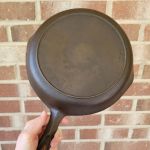 Best Products for Cast Iron Restoration Service: Top Tools and Products
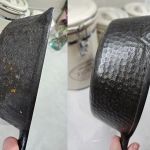 Simple At-Home Techniques for Cast Iron Restoration | Restore Your Cookware
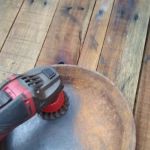 How to Restore Cast Iron at Home | A Complete Guide for Beginners
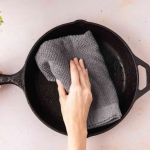 How Long Does Cast Iron Skillet Refinishing Take? Realistic Timeline for Restoration
 What to Avoid When Attempting Cast Iron Refinishing: Common Mistakes to Watch Out For