
- 1- Understanding Cast Iron Refinishing
- 2- Common Mistakes to Avoid in Cast Iron Refinishing
- 3- A Step-by-Step Guide to Proper Cast Iron Refinishing
- 4- Real-Life Experiences: Cast Iron Refinishing Mistakes and How to Fix Them
- 5- Why Choose Cast Iron Restoration for Your Refinishing Needs
1. Understanding Cast Iron Refinishing
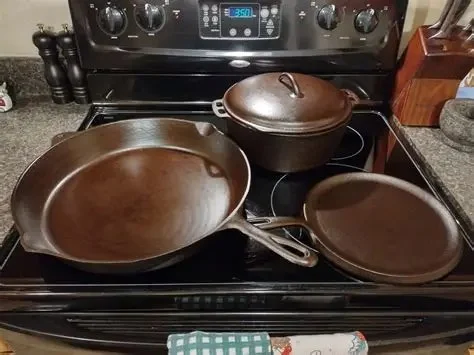
Cast iron cookware is cherished for its durability, heat retention, and ability to develop a natural non-stick surface over time. However, like any kitchen tool, it requires proper care and maintenance to last for generations. Refinishing cast iron cookware can breathe new life into old or damaged pieces, restoring their functionality and aesthetic appeal.
Refinishing involves removing rust, restoring the seasoning (the protective layer of oil), and sometimes repairing deep scratches or cracks. While refinishing can be a rewarding DIY project, it’s important to know the common mistakes people make during the process to avoid damaging your cookware further.

Miracle Method Surface Refinishing / miracle bathtub refinishing
Santa RosaSonoma CountyCalifornia
3200 Dutton Ave Suite #325, Santa Rosa, CA 95407, USA
2. Common Mistakes to Avoid in Cast Iron Refinishing
When refinishing cast iron, it's easy to make mistakes, especially if you're new to the process. Avoiding these errors will ensure that your cast iron cookware remains in great condition and performs at its best.
Mistake 1: Skipping Proper Preparation
One of the biggest mistakes in cast iron refinishing is failing to properly prepare the surface before starting the refinishing process. It's crucial to remove any rust, old seasoning, and debris before you begin. If you skip this step, the new seasoning layer won't adhere properly, and you may end up with uneven or ineffective seasoning.
To prepare your cast iron, use a steel wool brush or a wire brush to remove any rust. For stubborn rust, you can use an electrolysis bath or a rust remover designed for cast iron. Once the surface is clean, you can move on to seasoning the pan.
Mistake 2: Using the Wrong Seasoning Materials
Seasoning is essential for creating a non-stick surface and protecting the cast iron from rusting. Many people make the mistake of using the wrong oil for seasoning. For best results, you should use oils with a high smoke point, such as flaxseed oil, grapeseed oil, or vegetable oil. These oils bond well with the cast iron and create a durable seasoning layer.
Avoid using oils that have low smoke points, such as olive oil or butter, as they won't provide the same level of durability and can leave a sticky residue. It’s also important to apply the seasoning in thin layers and bake the cookware at high heat to ensure an even coating.
Mistake 3: Overheating the Cast Iron
Another common mistake is overheating the cast iron while refinishing or seasoning it. Overheating can cause the cast iron to warp or crack, especially if it's subjected to extreme temperature changes. Always heat your oven gradually and avoid exposing your cast iron to sudden temperature shifts.
During the seasoning process, it’s essential to bake the cast iron at a temperature between 400°F and 500°F for about an hour. If the temperature is too high, the oil can burn, leaving a poor seasoning layer.
Mistake 4: Skipping Multiple Layers of Seasoning
Seasoning cast iron is not a one-step process. Many people make the mistake of applying only one layer of oil, expecting it to create a perfect non-stick surface. In reality, you’ll need to apply several thin layers of seasoning and bake the cookware between each layer to build up a strong, durable surface.
Depending on the condition of your cast iron, it might take 3-5 layers of seasoning to achieve the best results. The more layers, the better the performance and protection of your cookware.
3. A Step-by-Step Guide to Proper Cast Iron Refinishing
Now that you’re aware of the common mistakes, here’s a simple step-by-step guide to refinishing your cast iron cookware:
Step 1: Clean the Cast Iron
Remove any old seasoning, rust, and debris using a steel wool brush or a wire brush. If needed, use a rust remover or an electrolysis bath to treat stubborn rust. Rinse thoroughly and dry completely with a towel or by placing the cookware on a hot burner.
Step 2: Season the Cast Iron
Apply a thin layer of high-smoke point oil to the entire surface of the cookware. Be sure to coat the interior, exterior, and handle. Wipe away any excess oil with a paper towel to prevent a sticky finish. Place the cookware upside down in the oven and bake at 400°F to 500°F for an hour. Allow the cast iron to cool in the oven after baking.
Step 3: Repeat the Process
For optimal results, apply 3-5 layers of seasoning, repeating the process of applying oil and baking after each layer. This will build up a strong, durable non-stick surface.
4. Real-Life Experiences: Cast Iron Refinishing Mistakes and How to Fix Them
Many people have made the same mistakes when refinishing their cast iron cookware. For example, Emily, a home cook, attempted to restore her grandmother's cast iron skillet but didn’t properly clean the surface first. As a result, the new seasoning layer didn’t adhere well, and the skillet was left with uneven patches. After learning from her mistake, Emily followed the proper cleaning and seasoning steps and successfully restored her skillet to its former glory.
Similarly, Mark tried using olive oil to season his cast iron pan, only to find that it created a sticky residue. After switching to flaxseed oil, his pan became perfectly seasoned and ready for cooking.
5. Why Choose Cast Iron Restoration for Your Refinishing Needs
If you’re looking to restore your cast iron cookware without the hassle of DIY refinishing, consider professional cast iron restoration services like those offered by Cast Iron Restoration. Our team of experts can efficiently restore your cookware to its original condition, ensuring it performs at its best for years to come.
Whether you’re dealing with minor scratches, rust, or deep damage, we provide comprehensive services that take the guesswork out of cast iron refinishing. Visit Cast Iron Restoration today to learn more about our services and get your cookware back in top shape!



 Crimson Design & Construction5.0 (21 reviews)
 Seigle’s Cabinet Center – Mundelein5.0 (2 reviews)
 Home Renovations Orlando5.0 (39 reviews)
 Affordable Bath Refinishing5.0 (18 reviews)
 Jr Handyman Services5.0 (4 reviews)
 Bathtub & Tile Restorations5.0 (101 reviews)
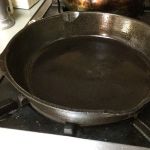 How to Refurbish a Cast Iron Skillet at Home: A Complete Guide
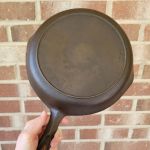 Best Products for Cast Iron Restoration Service: Top Tools and Products
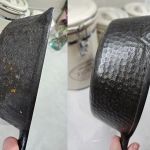 Simple At-Home Techniques for Cast Iron Restoration | Restore Your Cookware
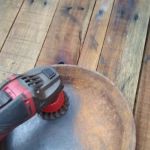 How to Restore Cast Iron at Home | A Complete Guide for Beginners
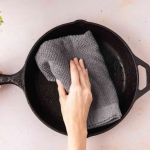 How Long Does Cast Iron Skillet Refinishing Take? Realistic Timeline for Restoration
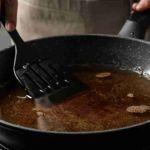 What to Avoid When Attempting Cast Iron Refinishing: Common Mistakes to Watch Out For