
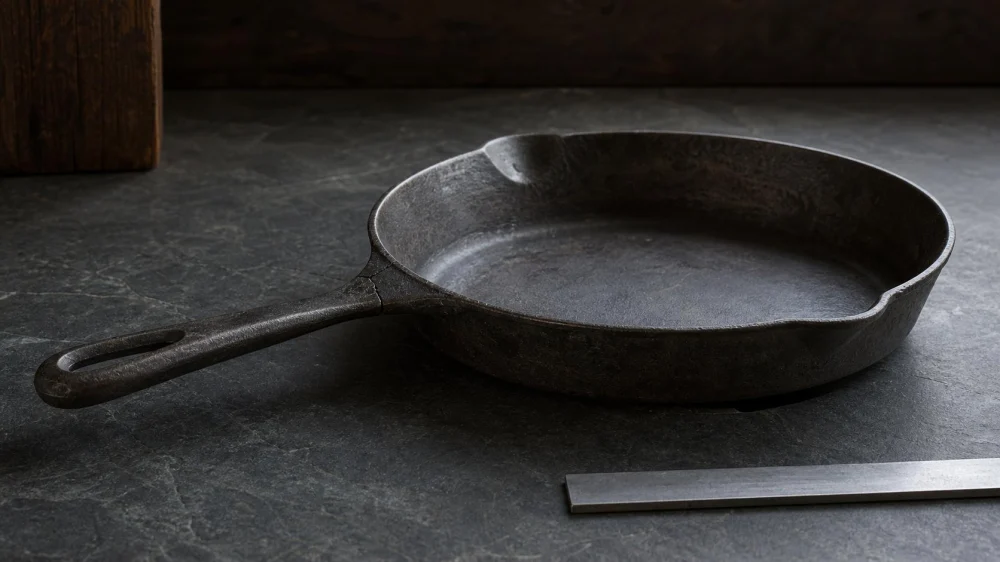
Cast Iron Cracks and Warping: Check Before Restoring
On this page
Quick answer
Before investing time in cast iron restoration, inspect the piece in bright light for hairline cracks, movement at handles, deep pitting and a cooking surface that rocks or spins. Light rust and uneven seasoning are often restorable; structural cracks, severe fire damage or instability may make cookware unsuitable for normal use. Do not heat a questionable piece to “test” it, and never rely on seasoning to seal a crack.
America Refinishing Pros / america refinishing pros
9510 SW 137th Ave, Miami, FL 33186, USA
Clean enough to inspect
A restoration inspection is a condition check performed before aggressive rust removal or seasoning so defects are not mistaken for dirt and are not worsened by unnecessary work.
- Photograph maker marks and the original condition.
- Wash loose dirt and grease with warm water, dish soap and a non-damaging brush.
- Dry promptly and apply a very light oil film if inspection will be delayed.
- Use bright raking light across the rim, sidewalls, base, handle roots and spouts.
- Do not use power tools, a self-cleaning oven or fire to expose metal.
Heavy carbon or rust can hide defects. If more cleaning is necessary, choose a controlled method appropriate to the piece and recheck frequently.

Miracle Method Surface Refinishing / miracle bathtub refinishing
Santa RosaSonoma CountyCalifornia
3200 Dutton Ave Suite #325, Santa Rosa, CA 95407, USA
Check for cracks
- Examine handle junctions, pour spouts, rim notches and sharp transitions.
- Look for a fine dark line that continues through seasoning or rust.
- Check both sides of the same location where accessible.
- Note any edge that moves when handled normally; do not flex it deliberately.
- Be cautious with old repairs, welds, brazing or filled areas.
A common “ring test” is not conclusive: shape, thickness, surface contact and existing damage all change sound. Striking cookware can extend a crack. Visual inspection and professional nondestructive testing are more appropriate for a valuable or uncertain piece.
Check for warping
Place a clean, cool pan on a known flat surface. With no downward pressure, observe whether the base sits steadily, rocks between points or spins easily. Repeat after rotating the pan to distinguish pan shape from a counter irregularity.
- Gas grates: minor movement may have limited practical effect if the pan remains stable.
- Glass or induction surfaces: flat contact and stability may matter more, subject to appliance instructions.
- Griddles and lids: assess fit and support across their intended points rather than using skillet rules.
Do not try to flatten cast iron with a hammer, press or rapid heating and cooling. Cast iron is brittle and can crack suddenly.
Evaluate pitting and surface loss
Shallow texture from old corrosion may still season and cook acceptably. Deep pits can retain residue, make cleaning difficult and indicate substantial metal loss. Examine whether pitting is isolated to the cooking surface, widespread on thin walls or concentrated around an old crack.
Seasoning can smooth microscopic texture over time, but it does not rebuild missing iron. Grinding a collectible cooking surface can erase machining marks, reduce value and create uneven thickness.
Use, restore, display, or retire
- Good restoration candidate: surface rust, old seasoning and light pitting with no crack or instability.
- Limited-use candidate: mild warp that remains stable on the intended appliance, after careful evaluation.
- Professional assessment candidate: rare piece, suspected hairline crack, historic repair or uncertainty about prior use.
- Display-only candidate: structural crack, unstable base, loose integral handle or severe thinning.
- Avoid food use: unknown industrial use, uncertain coating or suspected hazardous contamination until appropriately evaluated.
Best for restoration: structurally sound bare cast iron. Not ideal: enamelled, plated or coated pieces treated with bare-iron stripping methods.
When to use a restoration service
A specialist may offer controlled cleaning, defect documentation, seasoning and advice about collectibility. Ask which methods touch the original surface, whether coatings are distinguished from seasoning, how cracks are assessed, and whether the service guarantees cookware fitness or only cosmetic improvement.
For valuable pieces, request before-and-after photographs and approval before grinding, blasting, welding or other irreversible work. Local service directories are a starting point; verify experience with the specific material and era.
Safety and evidence notes
This guide reflects general cookware restoration and material-safety principles. It cannot certify a pan for food contact or detect every hidden crack. Manufacturer guidance takes priority for modern marked cookware.
Do not use electrolysis, lye, acids or solvents without understanding chemical, electrical, ventilation and disposal hazards. Never mix cleaners. Keep restoration chemicals and residues away from children, pets, food-preparation areas and incompatible metals.
Frequently asked questions
Can a cracked cast iron skillet be welded?
Specialized repair may be technically possible, but heat effects, distortion, food-contact suitability and value must be considered. A cosmetic repair does not automatically restore safe cookware function.
Does a spinner pan need to be discarded?
Not always. Stability on the intended cooking surface matters, but a spinner can heat unevenly or move dangerously on smooth cooktops.
Can seasoning fill deep pits?
No. Seasoning can create a usable surface over minor texture, but it does not replace lost metal or correct structural weakness.
Are casting lines cracks?
Not necessarily. Mould seams and machining marks can resemble defects. Compare both sides and seek experienced review when uncertain.
Can I test a crack by heating the pan?
No. Heating can extend a crack or cause hot oil and food hazards. Inspect it cool and use professional evaluation for uncertainty.
Next steps
Clean only enough to expose the surface, photograph suspected defects and check stability while the pan is cool. Separate cosmetic rust from structural concerns before choosing a restoration method. Preserve valuable pieces with reversible steps and seek specialist review for cracks, repairs, coatings or unknown prior use.


 New England Reglaze4.0 (11 reviews)
 Prainito Contracting4.0 (53 reviews)
 European Reglazing Inc5.0 (4 reviews)
 TOUCHDOWN4.0 (165 reviews)
 Greg's Bathroom Remodeling Contractors5.0 (25 reviews)
 Hudson Pro Builders5.0 (9 reviews)
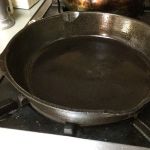 How to Refurbish a Cast Iron Skillet at Home: A Complete Guide
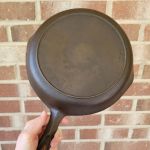 Best Products for Cast Iron Restoration Service: Top Tools and Products
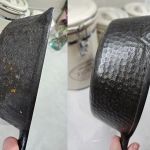 Simple At-Home Techniques for Cast Iron Restoration | Restore Your Cookware
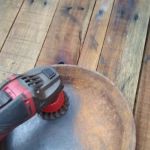 How to Restore Cast Iron at Home | A Complete Guide for Beginners
 How Long Does Cast Iron Skillet Refinishing Take? Realistic Timeline for Restoration
 What to Avoid When Attempting Cast Iron Refinishing: Common Mistakes to Watch Out For