
- 1- Why Proper Cast Iron Care is Important
- 2- How to Clean Vintage Cast Iron Cookware
- 3- How to Restore Old or Rusty Cast Iron
- 4- Maintaining Your Cast Iron Cookware for Long-Term Use
- 5- Common Mistakes to Avoid When Cleaning Cast Iron
1. Why Proper Cast Iron Care is Important
Cast iron cookware has been a staple in kitchens for centuries, cherished for its durability, even heat distribution, and ability to retain seasoning. However, vintage cast iron pieces require special care to maintain their quality and performance. Proper cleaning and maintenance are essential to ensure that your cast iron cookware remains non-stick, rust-free, and functional for many more years.
Whether you're working with a family heirloom or a new-to-you vintage piece, understanding the importance of cast iron care can help you avoid common mistakes and preserve its value. Neglecting the proper cleaning and seasoning process can lead to rust, food sticking to the surface, and ultimately, a shortened lifespan of your cookware.

Miracle Method Surface Refinishing / miracle refinish tubs
Santa RosaSonoma CountyCalifornia
3200 Dutton Ave Suite #325, Santa Rosa, CA 95407, USA
2. How to Clean Vintage Cast Iron Cookware
Cleaning vintage cast iron cookware requires a delicate balance of thoroughness and care. Unlike modern cookware, cast iron does not tolerate soap or harsh abrasives, as these can damage the seasoning. Here’s a step-by-step guide on how to clean your vintage cast iron cookware:
- 1. Let the Pan Cool: After use, allow your cast iron cookware to cool slightly before cleaning. This helps prevent thermal shock, which could cause the pan to crack.
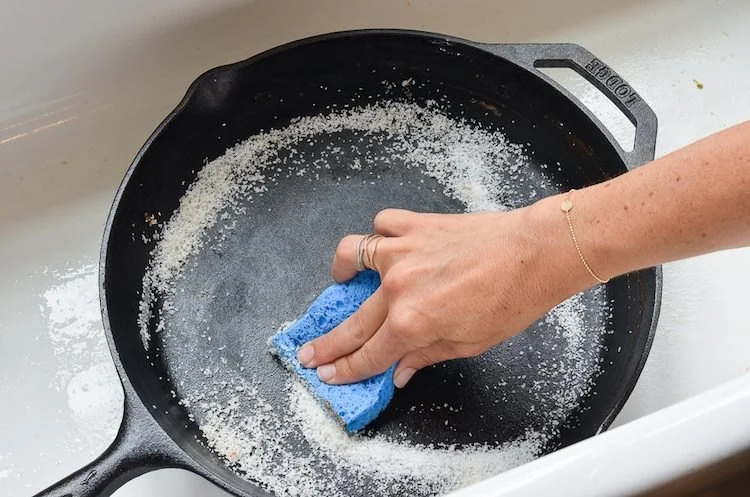
- 2. Use a Soft Brush or Scraper: Use a soft brush, sponge, or a plastic scraper to remove food residue. For stubborn bits, you can use kosher salt as a natural abrasive to scrub the surface.
- 3. Rinse with Hot Water: Rinse the cookware with hot water. Avoid using soap or detergent, as it can strip away the seasoning that makes cast iron non-stick.
- 4. Dry Immediately: Once clean, dry the cookware thoroughly using a clean towel or by heating it gently on the stove to evaporate any remaining water. This helps prevent rust from forming.
- 5. Apply a Thin Layer of Oil: To maintain the seasoning, apply a light layer of vegetable oil or flaxseed oil to the pan while it’s still warm. Wipe off excess oil with a paper towel. This will help protect the surface and ensure it stays non-stick.
3. How to Restore Old or Rusty Cast Iron
Over time, vintage cast iron cookware can develop rust or lose its seasoning, especially if it hasn’t been cared for properly. Fortunately, it’s possible to restore old or rusty cast iron to its former glory. Follow these steps for a complete restoration:
- 1. Remove Rust: If your cast iron is rusty, use a fine steel wool pad or sandpaper to remove the rust. You can also use a vinegar-water solution to soak the pan for a few hours and then scrub off the rust.
- 2. Wash and Dry: After removing the rust, wash the cookware thoroughly with hot water and dry it completely to prevent new rust from forming.
- 3. Season the Pan: Apply a thin layer of oil (preferably flaxseed oil, which creates a durable seasoning) to the entire surface, including the handle. Place the pan upside down in an oven, with a sheet of aluminum foil on the rack below to catch any drips. Bake the pan at 450°F for about an hour, and then allow it to cool. Repeat the seasoning process two or three times for the best results.
4. Maintaining Your Cast Iron Cookware for Long-Term Use
Proper maintenance is key to preserving the longevity and effectiveness of your vintage cast iron cookware. Here are a few tips to help you keep your cast iron in great condition:
- 1. Avoid Soaking: Never soak cast iron in water, as prolonged exposure to moisture can lead to rust.
- 2. Store in a Dry Place: Store your cast iron cookware in a dry area to prevent moisture buildup and rust formation.
- 3. Regular Seasoning: Regularly apply a thin coat of oil to your cookware after each use to maintain the seasoning and prevent rust.
- 4. Use Proper Utensils: When cooking, use wooden or silicone utensils to avoid scratching the surface of the cast iron.
5. Common Mistakes to Avoid When Cleaning Cast Iron
While cleaning vintage cast iron, there are some common mistakes that can damage the cookware or affect its performance. Here are the top mistakes to avoid:
- 1. Using Soap: Soap can strip away the seasoning, making the pan more prone to rust and food sticking.
- 2. Scratching the Surface: Using metal utensils or harsh scrubbing pads can damage the seasoning and leave your cast iron more vulnerable to rust.
- 3. Not Drying Immediately: Leaving water on the surface of your cast iron can lead to rust. Always dry your cookware right away after cleaning.
- 4. Forgetting to Reapply Oil: After each cleaning session, always apply a thin layer of oil to protect the pan and keep the seasoning intact.
By following these tips, you can preserve the quality and longevity of your vintage cast iron cookware. For more expert advice on maintaining and restoring cast iron, visit Cast Iron Restoration for products and services that can help keep your cookware in top shape.




 Bath Fitter4.0 (165 reviews)
 Kitchen & Trim Guys5.0 (12 reviews)
 Intercrus Decks5.0 (17 reviews)
 Travis Construction5.0 (8 reviews)
 Orland Builders Inc.4.0 (36 reviews)
 Viking Built Homes, LLC5.0 (6 reviews)
 How to Refurbish a Cast Iron Skillet at Home: A Complete Guide
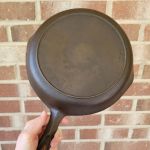 Best Products for Cast Iron Restoration Service: Top Tools and Products
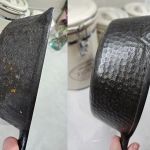 Simple At-Home Techniques for Cast Iron Restoration | Restore Your Cookware
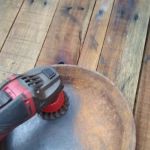 How to Restore Cast Iron at Home | A Complete Guide for Beginners
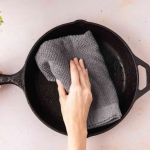 How Long Does Cast Iron Skillet Refinishing Take? Realistic Timeline for Restoration
 What to Avoid When Attempting Cast Iron Refinishing: Common Mistakes to Watch Out For