
- Why Cleaning Cast Iron Pans Properly is Essential
- What You’ll Need to Clean Your Cast Iron Pan
- Step-by-Step Guide to Cleaning Your Cast Iron Pan
- How to Maintain Your Cast Iron Pan After Cleaning
- Tips for Keeping Your Cast Iron Pan in Top Condition
Why Cleaning Cast Iron Pans Properly is Essential
Cast iron pans are a kitchen staple known for their durability, excellent heat retention, and versatility. However, the cleaning process is key to ensuring your cast iron pan lasts for generations. Proper cleaning and maintenance prevent rust, preserve the seasoning layer, and ensure that your pan performs at its best every time you cook.
Unlike non-stick pans, cast iron requires special care to maintain its surface. While it may seem like a hassle, taking the right steps to clean your cast iron pan not only extends its life but also helps enhance the natural non-stick coating that develops over time, known as the seasoning. Let’s dive into the best way to clean your cast iron pan!
Chicago Odorless Bathtub Refinishing / eco tub restoration
3236 W Eastwood Ave, Chicago, IL 60625, USA
What You’ll Need to Clean Your Cast Iron Pan
Cleaning a cast iron pan doesn’t require a lot of fancy tools, but there are a few key items that will make the process smoother and more effective. Here’s what you’ll need:
- Hot Water: Always use hot water to clean your cast iron, as it helps lift stuck-on food and grease.
- Non-metallic Scrubber: A gentle scrubber, like a stiff brush, non-scratch scouring pad, or chainmail scrubber, is best for cleaning the surface without damaging the seasoning.
- Mild Soap (Optional): Though many people avoid soap, a small amount of mild soap can be used occasionally without stripping the seasoning.
- Towel or Paper Towels: For drying the pan immediately after cleaning to prevent rusting.
- Vegetable Oil or Flaxseed Oil: Used for re-seasoning the pan after cleaning.
Step-by-Step Guide to Cleaning Your Cast Iron Pan
Follow these steps for a quick and effective cleaning process:
- Step 1: Let the Pan Cool Slightly - After cooking, allow the pan to cool slightly before cleaning. It should still be warm but not too hot to touch.
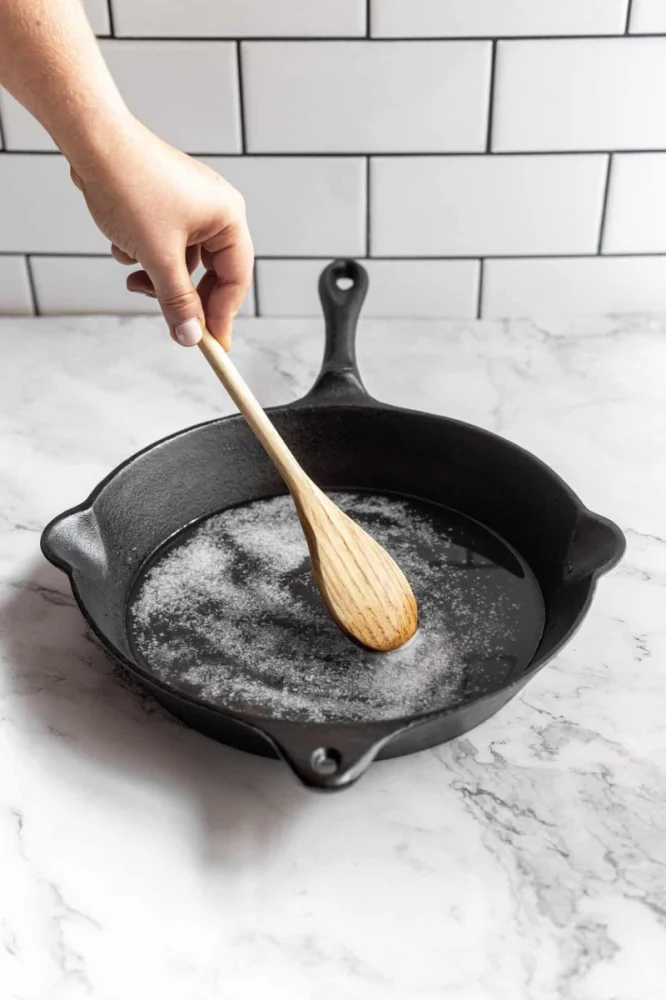
- Step 2: Rinse with Hot Water - Rinse the pan with hot water immediately after use. For stubborn food particles, use a non-metallic scrubber or stiff brush to loosen the debris.
- Step 3: Use Soap (If Needed) - If necessary, apply a small amount of mild soap to clean off any sticky residue. While soap is often avoided in cast iron care, it won’t damage the seasoning if used sparingly.
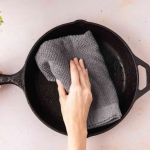
- Step 4: Dry the Pan Thoroughly - Once cleaned, dry the pan thoroughly with a towel or paper towel. It's essential to dry it completely to prevent rust.
- Step 5: Re-season the Pan (If Needed) - After cleaning, if the surface looks dry or dull, apply a light coat of vegetable oil or flaxseed oil to the surface of the pan. Heat it on the stove for a few minutes to allow the oil to bond to the surface and restore its natural non-stick coating.
How to Maintain Your Cast Iron Pan After Cleaning
Maintaining your cast iron pan is essential to its longevity and performance. After cleaning, here are some tips to keep it in great shape:
- Store in a Dry Place: Always store your cast iron pan in a dry place to prevent moisture buildup, which can lead to rust.
- Avoid Soaking: Never soak your cast iron pan in water for extended periods. This can cause rusting and damage the seasoning layer.
- Re-season Regularly: Over time, the seasoning on your pan may wear down, especially if you use soap or scrub it vigorously. Periodically re-season your pan to maintain its non-stick surface and prevent rusting.
Tips for Keeping Your Cast Iron Pan in Top Condition
Here are a few extra tips to help ensure your cast iron pan stays in top condition:
- Don’t Use High Acid Foods Too Often: Cooking acidic foods, like tomatoes or vinegar, can wear down the seasoning over time. While it’s not a big issue occasionally, try to avoid frequent use of these foods to preserve the seasoning.
- Regularly Use Your Pan: The more you use your cast iron pan, the better the seasoning becomes. Frequent cooking adds to the natural non-stick surface.
- Keep it Well-Oiled: Always keep your pan lightly oiled, especially if it’s going to be stored for a while. A light coat of oil protects the pan from rust and keeps it ready for use.
By following these cleaning tips, you’ll ensure that your cast iron pan remains a trusted kitchen companion for years to come. If you’re looking for high-quality cast iron pans or restoration services, visit Cary Hair Guide for more information on maintaining your cast iron cookware.




 Styleline Custom Cabinetry4.0 (26 reviews)
 Larken Construction, Inc.5.0 (12 reviews)
 Bath Planet of South Bend4.0 (181 reviews)
 Tub Magic3.0 (6 reviews)
 Juarez Painting5.0 (3 reviews)
 Philbin Construction & Remodeling Co.5.0 (14 reviews)
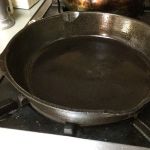 How to Refurbish a Cast Iron Skillet at Home: A Complete Guide
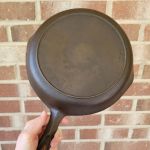 Best Products for Cast Iron Restoration Service: Top Tools and Products
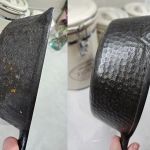 Simple At-Home Techniques for Cast Iron Restoration | Restore Your Cookware
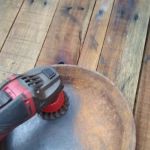 How to Restore Cast Iron at Home | A Complete Guide for Beginners
 How Long Does Cast Iron Skillet Refinishing Take? Realistic Timeline for Restoration
 What to Avoid When Attempting Cast Iron Refinishing: Common Mistakes to Watch Out For