
Beginner’s Guide to Cast Iron Pans
- 1. Why Choose Cast Iron?
- 2. Types of Cast Iron Pans
- 3. How to Season a Cast Iron Pan
- 4. Cooking with Cast Iron
- 5. Cleaning and Maintenance of Cast Iron
- 6. Cast Iron Restoration and Repair
1. Why Choose Cast Iron?
Cast iron pans have been a staple in kitchens for centuries, loved for their durability, heat retention, and versatility. Whether you're frying, searing, sautéing, or baking, a cast iron pan can handle it all. Unlike non-stick pans, cast iron develops a natural, non-stick surface over time through seasoning, making it an essential tool for cooking enthusiasts and beginners alike.
One of the biggest advantages of cast iron is its ability to retain heat, which ensures an even cooking temperature. It’s also known for its longevity – a well-maintained cast iron pan can last generations. As a beginner, investing in a high-quality cast iron pan can greatly enhance your cooking experience and provide consistent results for years to come.

Miracle Method Surface Refinishing / miracle tub refinishing
Santa RosaSonoma CountyCalifornia
3200 Dutton Ave Suite #325, Santa Rosa, CA 95407, USA
2. Types of Cast Iron Pans
When it comes to cast iron pans, there are several types to choose from, each designed for specific uses. Here are the most common types you’ll encounter:
2.1 Skillet
The skillet is the most versatile and popular cast iron pan. It features low, sloping sides and is perfect for frying, sautéing, and even baking. Skillets often come in different sizes, from small 8-inch pans to larger 12-inch models, so you can select the one that fits your needs best.
2.2 Dutch Oven
A Dutch oven is a deep, heavy pot that’s perfect for slow-cooking, braising, stews, soups, and baking bread. Due to its tight-fitting lid and thick walls, it traps moisture and heat, making it ideal for long cooking times.
2.3 Grill Pan
A cast iron grill pan has ridges on the cooking surface that mimic the effect of an outdoor grill. It’s ideal for grilling meats, vegetables, or fish indoors, providing those beautiful grill marks while retaining the heat needed for cooking.
3. How to Season a Cast Iron Pan
One of the most important aspects of maintaining a cast iron pan is seasoning it. Seasoning is the process of coating the pan with a thin layer of oil and baking it to create a durable, non-stick surface. Here's a simple guide on how to season your cast iron pan:
3.1 Clean the Pan
Before seasoning, clean the pan thoroughly. If it's a new pan, wash it with warm water and mild soap to remove any factory coatings. For an older pan, scrub off any rust or food remnants using a stiff brush or steel wool.
3.2 Apply Oil
After the pan is dry, apply a thin layer of vegetable oil or flaxseed oil to the entire surface of the pan, inside and out. Make sure to wipe off any excess oil so that only a thin layer remains.
3.3 Bake the Pan
Place the pan upside down in an oven preheated to 450°F (230°C) with a sheet of aluminum foil on the lower rack to catch any drips. Bake for one hour, then turn off the oven and allow the pan to cool inside. This process can be repeated several times for a stronger non-stick coating.
4. Cooking with Cast Iron
Cooking with cast iron is both an art and a science. As a beginner, it's important to start with basic techniques to get the most out of your cast iron pan.
4.1 Preheat Your Pan
Preheating your cast iron pan is essential for even cooking. Let the pan heat up slowly on medium heat before adding oil or food. Once it’s hot, you’ll notice how evenly the food cooks, especially when compared to regular pans.
4.2 Use the Right Amount of Oil
Cast iron pans develop a natural non-stick surface, but they still require a small amount of oil to prevent sticking, especially for delicate foods like eggs or fish. Always use just enough oil to coat the bottom of the pan.
4.3 Avoid Cooking Acidic Foods
While cast iron is great for many dishes, avoid cooking highly acidic foods, like tomatoes or vinegar-based sauces, in a newly seasoned pan. The acidity can break down the seasoning and affect the flavor of your food.
5. Cleaning and Maintenance of Cast Iron
Proper cleaning and maintenance of your cast iron pan will ensure that it lasts for many years. Here’s how to clean and care for your pan:
5.1 Clean Immediately After Use
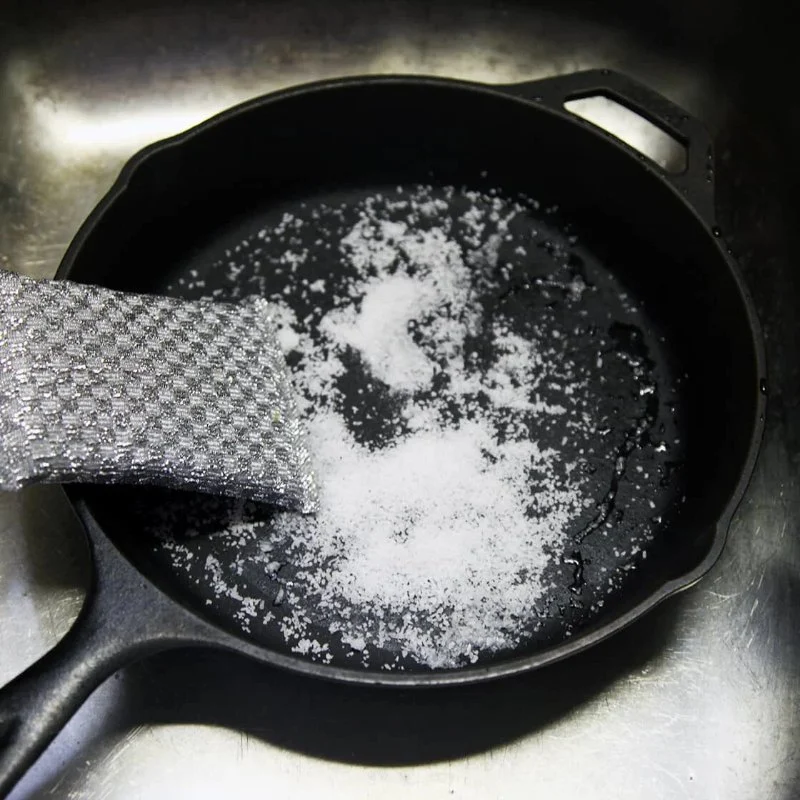
After cooking, allow your pan to cool slightly, then clean it while it's still warm. Use hot water and a stiff brush or sponge to remove food debris. Avoid using soap unless absolutely necessary, as it can strip away the seasoning.
5.2 Dry and Re-oil
After cleaning, dry the pan thoroughly with a towel or by heating it on the stovetop for a few minutes. Once dry, apply a thin coat of oil to prevent rust and maintain the seasoning.
5.3 Avoid Soaking
Never soak your cast iron pan in water for long periods, as this can lead to rust. Cast iron is prone to rusting if left damp, so always store it in a dry place.
6. Cast Iron Restoration and Repair
Even the best-cared-for cast iron pans may require occasional restoration, especially if they’ve developed rust or lost their seasoning. Restoration can be done by stripping the pan, removing any rust, and re-seasoning it from scratch.
If your cast iron pan is showing signs of wear, Cast Iron Restoration offers professional services to bring it back to life, restoring its non-stick surface and extending its lifespan. Whether you’re dealing with rust, rough patches, or faded seasoning, a professional restoration can make your pan feel as good as new.





 Painting Houses Diaz LLC5.0 (5 reviews)
 Maka Homes, Inc5.0 (72 reviews)
 Finest City General Contractor5.0 (44 reviews)
 Calahan Bath, Kitchen and Sunrooms4.0 (51 reviews)
 MyHouse Construction Company5.0 (42 reviews)
 Gotham Sandblasting5.0 (5 reviews)
 How to Refurbish a Cast Iron Skillet at Home: A Complete Guide
 Best Products for Cast Iron Restoration Service: Top Tools and Products
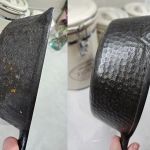 Simple At-Home Techniques for Cast Iron Restoration | Restore Your Cookware
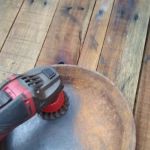 How to Restore Cast Iron at Home | A Complete Guide for Beginners
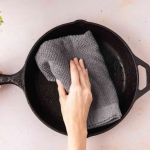 How Long Does Cast Iron Skillet Refinishing Take? Realistic Timeline for Restoration
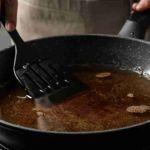 What to Avoid When Attempting Cast Iron Refinishing: Common Mistakes to Watch Out For