
- 1 - Why Restore Your Cast Iron Pan?
- 2 - How to Refinish Cast Iron Pans
- 3 - Before and After Results of Cast Iron Restoration
- 4 - Common Mistakes to Avoid When Restoring Cast Iron
- 5 - Where to Find Cast Iron Restoration Products
1 - Why Restore Your Cast Iron Pan?
Cast iron pans are some of the most durable cookware you can own, known for their excellent heat retention and ability to improve with age. However, over time, cast iron can become rusty, lose its non-stick surface, or simply show signs of wear. While many people think that an old, rusty pan is beyond saving, restoring a cast iron pan can make it look and perform as well as new.
Restoring your cast iron pan not only improves its functionality but also gives it a new lease on life, ensuring it continues to serve you for years to come. Plus, a freshly refinished cast iron pan can be a source of pride in your kitchen, combining beauty and utility in one piece of cookware.

Fort Worth Refinishing / fort worth bathtub refinishing
2627 S Cooper St Suite E12, Arlington, TX 76015, USA
2 - How to Refinish Cast Iron Pans
The process of refinishing cast iron pans involves several key steps, from removing rust to applying a fresh layer of seasoning. Here’s a step-by-step guide to help you restore your beloved pan:
- Step 1: Clean the Pan - Begin by scrubbing off any dirt, rust, or old seasoning using steel wool or a wire brush. You can also soak the pan in a mixture of vinegar and water for a few hours to help loosen the rust.
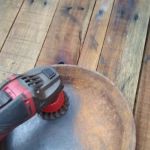
- Step 2: Remove the Rust - If your pan has heavy rust, use an abrasive tool like sandpaper or a power sander to remove it completely. You should see the shiny surface of the raw cast iron once the rust is gone.
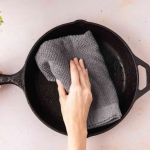
- Step 3: Season the Pan - After cleaning, dry your pan thoroughly and apply a thin layer of vegetable oil, flaxseed oil, or another suitable seasoning oil. Heat the pan in the oven at 450°F (230°C) for about an hour to allow the oil to polymerize, creating a non-stick surface.
- Step 4: Repeat the Seasoning - For a durable finish, repeat the seasoning process 2-3 times. The more layers you apply, the better the non-stick coating will be. Allow the pan to cool between each layer.
3 - Before and After Results of Cast Iron Restoration
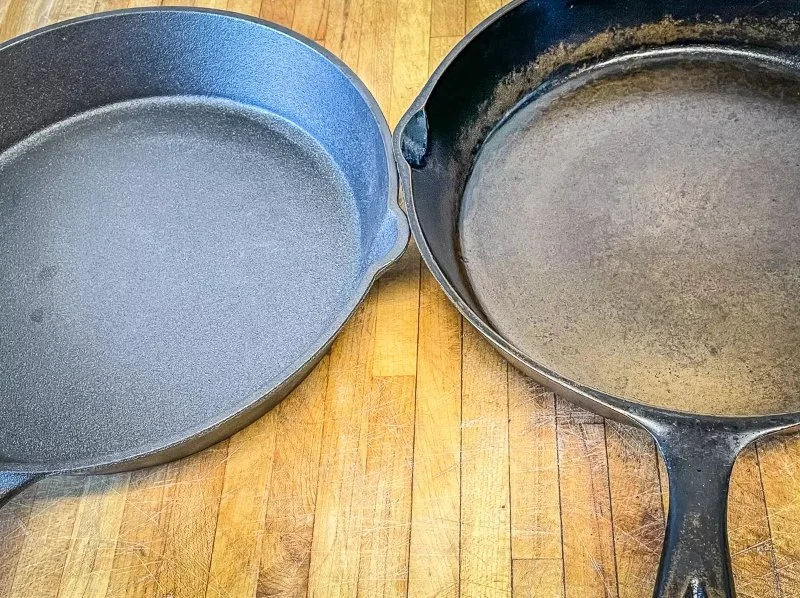
Refinishing your cast iron pan can yield impressive results. In many cases, a well-restored pan looks like a brand new piece of cookware. The before-and-after transformation is particularly striking, as a rusted or damaged pan can be revived to reveal its original beauty.
For example, a pan with heavy rust and a damaged coating might look dull, with uneven surfaces and a rough texture. After cleaning, sanding, and seasoning, the pan will have a smooth, glossy finish that’s perfect for cooking. It will also be much more efficient in terms of heat retention and cooking performance, providing even heat distribution for your meals.
The after-results aren’t just about aesthetics—they also extend to the pan’s usability. A restored cast iron pan can perform better than ever, allowing you to cook with confidence and enjoy the long-term benefits of having a well-maintained piece of cookware.
Chicago Odorless Bathtub Refinishing / eco tub restoration
3236 W Eastwood Ave, Chicago, IL 60625, USA
4 - Common Mistakes to Avoid When Restoring Cast Iron
While restoring your cast iron pan can be an easy and satisfying project, there are a few common mistakes to be aware of that could hinder your results:
- Overusing Soap: Some people think they need to wash their cast iron with soap after each use. This can strip away the seasoning layer, making it more difficult to maintain. Instead, use a scrub brush and hot water to clean the pan, and reapply oil if necessary.
- Skipping the Seasoning Process: The seasoning process is essential for ensuring a non-stick surface. Skipping this step or not applying enough oil will lead to an uneven or ineffective coating.
- Using the Wrong Oil: Not all oils are suitable for seasoning cast iron. Oils with a high smoke point, like flaxseed oil or vegetable oil, work best for creating a durable seasoning layer.
5 - Where to Find Cast Iron Restoration Products
When it comes to restoring your cast iron pans, having the right tools and products is essential. Fortunately, there are many products available specifically designed for cast iron restoration. You can find high-quality cast iron restoration products at specialty stores or online retailers like Cast Iron Restoration. Here are some essential items you’ll need:
- Cast Iron Cleaner: A gentle cleaner or scrub brush designed for cast iron is essential to removing rust and old seasoning without damaging the surface.
- Seasoning Oil: Flaxseed oil, vegetable oil, or a specialized cast iron seasoning oil will help you create a smooth, non-stick surface on your pan.
- Cast Iron Pan Repair Kits: These kits often include tools for cleaning, rust removal, and seasoning, making it easy to restore your pan in one go.
For the best products and expert guidance on cast iron restoration, visit Cast Iron Restoration today and find the perfect tools to bring your cookware back to life.



 Kitchens by Gregory5.0 (7 reviews)
 Orange Cactus Remodeling4.0 (36 reviews)
 National Kitchen and Bath Showroom4.0 (7 reviews)
 Cermacoat Shop4.0 (10 reviews)
 Calumet Painting & Restoration4.0 (20 reviews)
 House of Design and Remodeling5.0 (16 reviews)
 How to Refurbish a Cast Iron Skillet at Home: A Complete Guide
 Best Products for Cast Iron Restoration Service: Top Tools and Products
 Simple At-Home Techniques for Cast Iron Restoration | Restore Your Cookware
 How to Restore Cast Iron at Home | A Complete Guide for Beginners
 How Long Does Cast Iron Skillet Refinishing Take? Realistic Timeline for Restoration
 What to Avoid When Attempting Cast Iron Refinishing: Common Mistakes to Watch Out For