
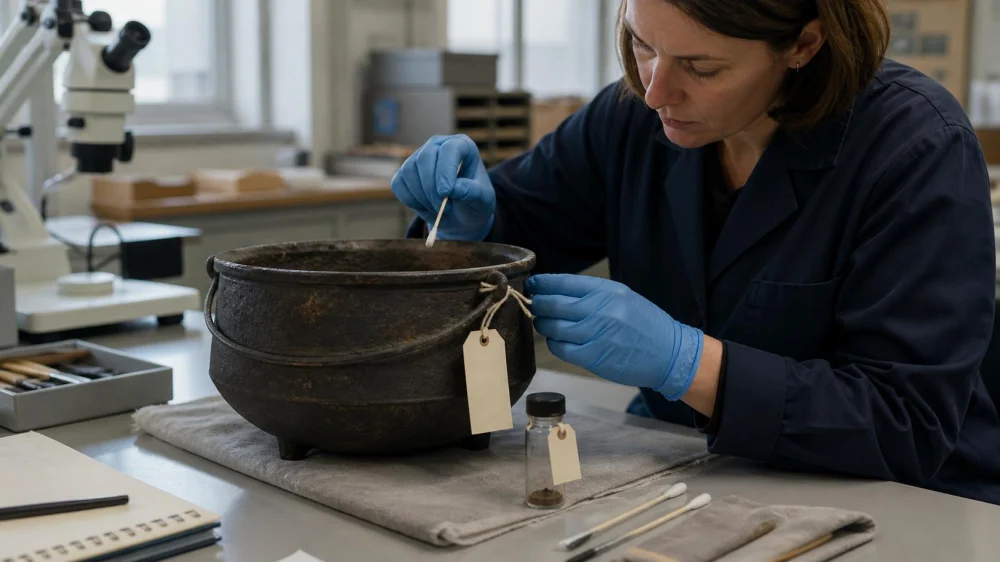
Antique Cast Iron With Unknown Use: Test Before Cooking
On this page
Quick answer
Do not cook in antique or secondhand cast iron when its prior use is unknown. Some vessels were used for paint, motor oil, chemicals, or melting lead. Set it aside, avoid sanding or heating it, document markings and residue, and seek qualified testing or expert evaluation. A clean appearance, magnet response, seller assurance, or new seasoning cannot prove food safety. If history cannot be established, keep the item for display rather than food use.
Chicago Odorless Bathtub Refinishing / eco tub restoration
3236 W Eastwood Ave, Chicago, IL 60625, USA
Why it matters
Porous corrosion, surface deposits, cracks, old coatings, and contaminated dust can remain after ordinary cleaning. Heating, grinding, or acid treatment can spread contaminants and expose the restorer.
This United States guide is precautionary. Laboratory methods, consumer test limitations, hazardous-waste rules, antique value, and local public-health advice vary. This is not a substitute for poison-control or professional testing.

Surface Specialists of South Central MN / surface specialists mn
MankatoBlue Earth CountyMinnesota
436 Lyd Blvd, Mankato, MN 56001, USA
Practical checklist
- Ask the seller about food, industrial, fireplace, paint, automotive, and metal-melting use.
- Photograph the full item, markings, interior, underside, residue, and damage.
- Bag or isolate loose residue without brushing or blowing dust.
- Keep children, pets, food, and kitchen tools away.
- Do not heat, grind, sandblast, wire-brush, acid-soak, or season the item.
- Contact a qualified laboratory, public-health resource, or knowledgeable conservation professional.
- Choose display-only use when reliable history and testing cannot support cooking.
Step-by-step plan
- Stop restoration as soon as unknown residue or nonfood history is suspected.
- Handle minimally with appropriate hygiene and avoid creating airborne dust.
- Build a provenance record from markings, seller information, location, and prior photographs without relying on appearance.
- Ask a qualified resource what sample, method, detection limits, and surfaces need testing.
- Treat consumer swabs cautiously because false results, inaccessible contamination, and method limits can mislead.
- Do not attempt to burn off or encapsulate contaminants with seasoning.
- If exposure may have occurred, preserve information and contact poison control or a healthcare professional for case-specific advice.
Keep seller messages, provenance, photographs, markings, suspected uses, handling and restoration already performed, test method and laboratory report, expert advice, and final food-use or display-only decision.
Limits and warning signs
No visual inspection or home cleaning can certify food safety. A negative screening test may not cover all contaminants or locations. Restoration cannot repair cracks or guarantee removal of absorbed or embedded hazardous material.
Contact Poison Control in the United States at 1-800-222-1222 for suspected exposure, and emergency services for severe symptoms. Follow local hazardous-material guidance for residue or disposal.
Frequently asked questions
Does seasoning seal in lead?
No. Seasoning is not a certified barrier for hazardous contamination and can wear or transfer.
Will a lead swab prove the pan is safe?
No. Consumer tests have limits and do not address every contaminant, surface, or sampling problem.
Can I sandblast it clean?
Do not create potentially contaminated dust. Seek professional assessment first.
What if the seller says it was only decorative?
Treat that as useful history, not proof. Evaluate condition, provenance, and testing needs before food use.
Sources and evidence
The guide applies hazardous-material and food-contact caution: stop dust-producing restoration, do not rely on appearance or seasoning, document provenance, use qualified testing, and contact poison-control resources for suspected exposure.
Conclusion and next steps
Isolate the cookware, photograph it, and pause all heat or abrasive work. Seek qualified testing advice; if trustworthy history and evidence remain unavailable, label it clearly and reserve it for display.



 Bath And Kitchen Galleria4.0 (92 reviews)
 Ramirez Cabinets, Blinds & More...4.0 (39 reviews)
 Danny's Home Improvements inc.4.0 (5 reviews)
 Five Star Bath Solutions of Cincinnati4.0 (170 reviews)
 handyman0.0 (0 reviews)
 Miracle Method Surface Refinishing4.0 (327 reviews)
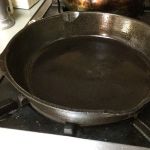 How to Refurbish a Cast Iron Skillet at Home: A Complete Guide
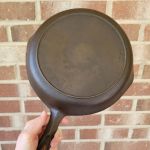 Best Products for Cast Iron Restoration Service: Top Tools and Products
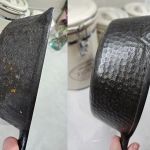 Simple At-Home Techniques for Cast Iron Restoration | Restore Your Cookware
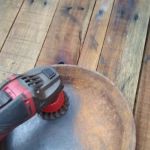 How to Restore Cast Iron at Home | A Complete Guide for Beginners
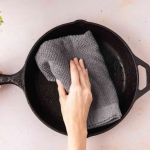 How Long Does Cast Iron Skillet Refinishing Take? Realistic Timeline for Restoration
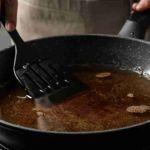 What to Avoid When Attempting Cast Iron Refinishing: Common Mistakes to Watch Out For