
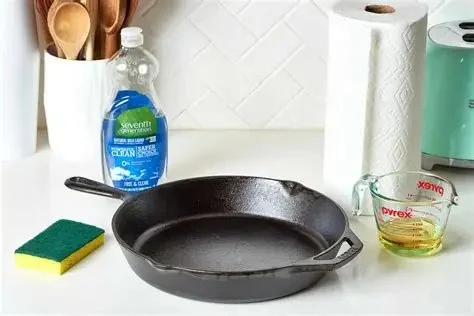
What Not to Do When Restoring and Seasoning a Cast Iron Skillet
- Understanding the Seasoning Process
- Common Mistakes to Avoid When Restoring Cast Iron
- Choosing the Right Oil for Seasoning
- How to Avoid Damaging Your Cast Iron Skillet
- Maintenance Tips for Long-Lasting Seasoning
Understanding the Seasoning Process
Seasoning a cast iron skillet is one of the most important steps in restoring it to its optimal cooking condition. Seasoning creates a natural non-stick surface by bonding oil to the metal through a process of heating. The oil polymerizes and forms a protective coating that makes the skillet more resistant to rust and easier to clean.
While seasoning might seem straightforward, there are several common mistakes people make that can lead to poor results or even damage the skillet. Knowing what *not* to do is just as important as understanding the correct methods for seasoning and restoring a cast iron skillet.
Common Mistakes to Avoid When Restoring Cast Iron
When restoring and seasoning a cast iron skillet, many people unknowingly make mistakes that can affect the effectiveness of the seasoning process. Here are some key pitfalls to avoid:
- Using Soap During Initial Cleaning: When restoring a new or rusty cast iron skillet, avoid using soap to clean it. Soap can break down the oil layer that’s essential for the seasoning process. Instead, scrub the skillet with warm water and a stiff brush, or use a small amount of salt to remove debris.
- Overheating the Skillet: While it’s essential to heat the skillet during seasoning, overheating can cause the oil to burn, leading to uneven seasoning or a sticky, gummy surface. Always follow recommended temperatures—around 375°F to 400°F (190°C to 200°C) for optimal results.
- Using the Wrong Type of Oil: Not all oils are created equal when it comes to seasoning cast iron. Avoid oils with low smoking points, such as olive oil, as they can burn too easily. Stick to oils with high smoking points, like vegetable oil, flaxseed oil, or grapeseed oil, which bond better to the skillet's surface.
Choosing the Right Oil for Seasoning
Choosing the right oil is crucial for successful seasoning. Here are some of the best options:
- Flaxseed Oil: Known for its ability to create a hard, durable layer, flaxseed oil is one of the top choices for seasoning cast iron. It forms a solid, non-stick surface when heated properly.
- Vegetable Oil: A versatile and cost-effective option, vegetable oil has a high smoking point and is great for layering multiple coats during the seasoning process.
- Grapeseed Oil: Another great option with a high smoking point, grapeseed oil is excellent for creating a smooth, non-stick surface on cast iron cookware.
Avoid oils with low smoking points, such as butter or olive oil, as they can burn too easily and leave a sticky residue instead of a durable seasoning layer.
How to Avoid Damaging Your Cast Iron Skillet
When restoring a cast iron skillet, it’s essential to take steps to avoid causing damage that can prevent the skillet from being seasoned properly. Here are some helpful tips to ensure you don’t inadvertently harm your cookware:
- Avoid Abrasive Scrubbing: While cleaning the skillet, never use abrasive materials like steel wool unless it's absolutely necessary. These can scratch the surface and remove the seasoning. Instead, use a soft brush or cloth to clean the skillet after each use.
- Don’t Submerge in Water: Avoid soaking the skillet in water for long periods. Cast iron is highly porous and can absorb moisture, which leads to rust. Always dry your skillet thoroughly after washing and store it in a dry place.
- Don’t Skip Drying After Cleaning: After cleaning the skillet, always dry it thoroughly. Leaving moisture on the surface can lead to rust, which undermines the seasoning process.
Maintenance Tips for Long-Lasting Seasoning
Once you’ve successfully restored and seasoned your cast iron skillet, proper maintenance is key to ensuring it stays in top condition. Here are a few tips for keeping your skillet’s seasoning intact:
- Regular Use: The more you use your cast iron skillet, the better its seasoning will become. Cooking with oils and fats helps maintain the seasoning and adds to the non-stick surface.
- Re-season as Needed: Over time, the seasoning on your skillet may wear off, especially if it’s exposed to high heat or abrasive cleaning. Reapply a thin layer of oil and bake it in the oven to restore the seasoning as necessary.
- Store Properly: Store your skillet in a dry place to prevent moisture buildup, which can lead to rust. You can place a paper towel inside the skillet to absorb any moisture and maintain the seasoning.
Regular maintenance ensures that your cast iron skillet remains in excellent condition and continues to deliver great cooking performance for years to come.





 Custom Cabinets by Nicolas5.0 (4 reviews)
 Doppler Construction, Inc.4.0 (30 reviews)
 Castle refinishing4.0 (5 reviews)
 Mr. Handyman of Northern St. Joseph and Elkhart Counties, Handyman Services, Drywall Repair, Handyman Near Me4.0 (775 reviews)
 Kitchen and bath refinishing5.0 (3 reviews)
 GSD Bathroom and Kitchen Remodeling San Jose5.0 (53 reviews)
 How to Refurbish a Cast Iron Skillet at Home: A Complete Guide
 Best Products for Cast Iron Restoration Service: Top Tools and Products
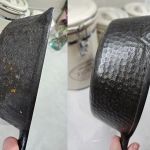 Simple At-Home Techniques for Cast Iron Restoration | Restore Your Cookware
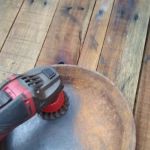 How to Restore Cast Iron at Home | A Complete Guide for Beginners
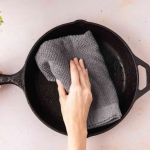 How Long Does Cast Iron Skillet Refinishing Take? Realistic Timeline for Restoration
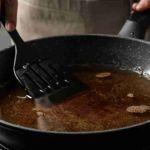 What to Avoid When Attempting Cast Iron Refinishing: Common Mistakes to Watch Out For