
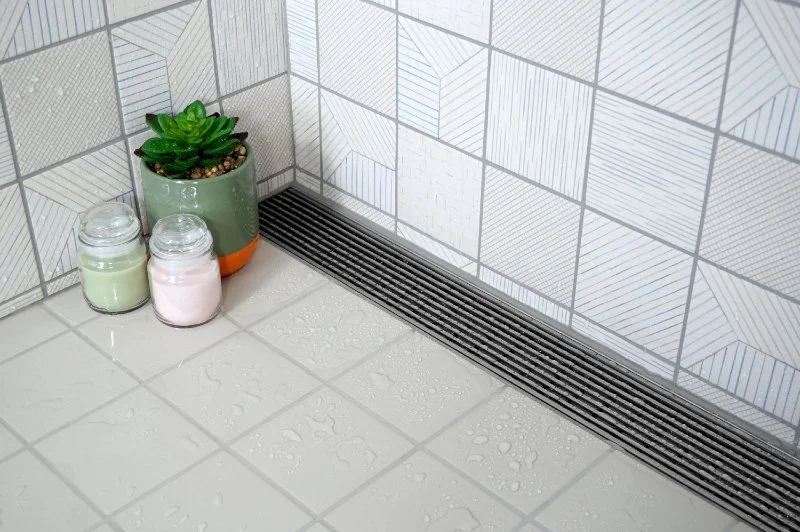
- #Understanding-Proper-Drainage-Design-Why-It-Matters
- #Hidden-Problems-Caused-by-Poor-Shower-Drainage
- #Core-Elements-of-Effective-Shower-Floor-Drainage
- #Real-Homeowner-Case-When-Drainage-Goes-Wrong
- #How-Professionals-Ensure-Long-Lasting-Results
- #Practical-Tips-for-Homeowners-Before-Installation
1. Understanding Proper Drainage Design: Why It Matters
When it comes to bathroom construction or renovation, many homeowners focus on tiles, fixtures, and aesthetics. However, one of the most critical yet overlooked aspects is drainage design. Understanding why proper drainage design is essential for long-lasting shower floors can save you from costly repairs and long-term damage.
A well-designed drainage system ensures that water flows efficiently toward the drain without pooling. This not only protects the visible surface but also prevents hidden structural damage beneath the tiles. Over time, even small drainage issues can lead to mold growth, weakened subfloors, and unpleasant odors.
From a professional standpoint, drainage is not just about installing a drain—it involves precise slope calculations, waterproofing layers, and material compatibility. This is why experts often emphasize planning before installation rather than fixing problems later.

Miracle Method Surface Refinishing / miracle bathtub refinishing
Santa RosaSonoma CountyCalifornia
3200 Dutton Ave Suite #325, Santa Rosa, CA 95407, USA
2. Hidden Problems Caused by Poor Shower Drainage
At first glance, a shower floor may look perfectly fine. But poor drainage design often reveals itself gradually. Water that doesn’t drain properly tends to accumulate in subtle ways, creating long-term issues that are expensive and frustrating to fix.
One common problem is water pooling. Even a slight miscalculation in slope can cause water to sit in corners or along grout lines. Over time, this leads to discoloration, tile loosening, and eventually leakage.
Another issue is mold and mildew growth. Damp environments beneath tiles create the perfect breeding ground for bacteria and fungi. This not only damages your bathroom but can also impact indoor air quality and health.
Additionally, structural deterioration is a serious concern. Moisture that seeps into subfloors can weaken materials like wood or concrete, leading to instability. In severe cases, homeowners may need to completely redo the shower base.
3. Core Elements of Effective Shower Floor Drainage
To fully understand why proper drainage design is essential for long-lasting shower floors, it helps to break down the key components that make a system effective.
First, slope design plays a crucial role. A standard recommendation is a slope of about 1/4 inch per foot toward the drain. This ensures water flows naturally without creating standing puddles. Too little slope leads to pooling, while too much can feel uncomfortable underfoot.
Second, waterproofing layers are vital. Beneath the tiles, a waterproof membrane acts as a barrier that prevents water from penetrating the subfloor. Without this layer, even the best drainage system can fail over time.
Third, drain placement and type matter more than many people realize. Center drains, linear drains, and offset drains each require different slope strategies. Choosing the wrong type without adjusting the design can compromise the entire system.
Finally, material compatibility is essential. Tiles, grout, adhesives, and membranes must work together as a system. Mismatched materials can lead to cracks and leaks, even if the drainage design itself is sound.
4. Real Homeowner Case: When Drainage Goes Wrong
A homeowner in California once shared their renovation story online, which quickly gained attention. After investing thousands of dollars in a luxury bathroom remodel, they noticed water pooling near the edges of their shower within weeks.
Initially, they assumed it was a minor issue. However, within months, tiles began to loosen, and a musty smell developed. Upon inspection, professionals discovered that the shower floor slope was incorrectly installed, and the waterproof membrane had gaps.
The result? The entire shower had to be demolished and rebuilt—doubling the original cost. This case highlights how even visually stunning bathrooms can fail if proper drainage design is ignored.
Stories like this are not uncommon, and they reinforce the importance of working with experienced professionals or consulting trusted resources like Cast Iron Restoration when planning your project.
5. How Professionals Ensure Long-Lasting Results
Professional installers approach drainage design with a combination of technical knowledge and practical experience. They begin by assessing the bathroom layout, ensuring that the subfloor is properly prepared and leveled.
Next, they carefully calculate the slope and test water flow before finalizing tile installation. This step is often overlooked in DIY projects but is crucial for long-term performance.
They also prioritize high-quality waterproofing systems. Rather than relying on a single layer, professionals often use multi-layer protection to ensure durability. This includes sealing joints, corners, and transitions where leaks are most likely to occur.
Finally, experienced contractors understand local building codes and manufacturer requirements, ensuring that every aspect of the installation meets industry standards. This not only improves performance but also protects warranties.
6. Practical Tips for Homeowners Before Installation
If you're planning a bathroom renovation, there are several steps you can take to ensure your shower floor lasts for years to come.
Start by asking detailed questions about drainage design. Don’t hesitate to request explanations about slope, waterproofing, and materials. A knowledgeable contractor should be able to walk you through each step clearly.
Next, prioritize quality over cost. While it may be tempting to cut corners, investing in proper drainage design upfront can prevent significantly higher expenses later.
It’s also helpful to review past projects or customer experiences. Real-world examples can give you insight into how well a contractor executes drainage systems.
Lastly, consider exploring expert guidance and solutions from Cast Iron Restoration. Their insights can help you make informed decisions and avoid common pitfalls that many homeowners face.



 Bay Quality Construction5.0 (12 reviews)
 NuFinishPro of Newport Beach5.0 (38 reviews)
 Eco Tub Restoration - Bathtub Refinishing5.0 (197 reviews)
 Get A Grip Resurfacing (Southeast Michigan)3.0 (27 reviews)
 TriStone Development4.0 (12 reviews)
 Miracle Method Surface Refinishing4.0 (108 reviews)
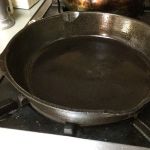 How to Refurbish a Cast Iron Skillet at Home: A Complete Guide
 Best Products for Cast Iron Restoration Service: Top Tools and Products
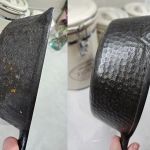 Simple At-Home Techniques for Cast Iron Restoration | Restore Your Cookware
 How to Restore Cast Iron at Home | A Complete Guide for Beginners
 How Long Does Cast Iron Skillet Refinishing Take? Realistic Timeline for Restoration
 What to Avoid When Attempting Cast Iron Refinishing: Common Mistakes to Watch Out For