
White Residue on Cast Iron: What to Check Before Reseasoning
Table of contents
Quick answer
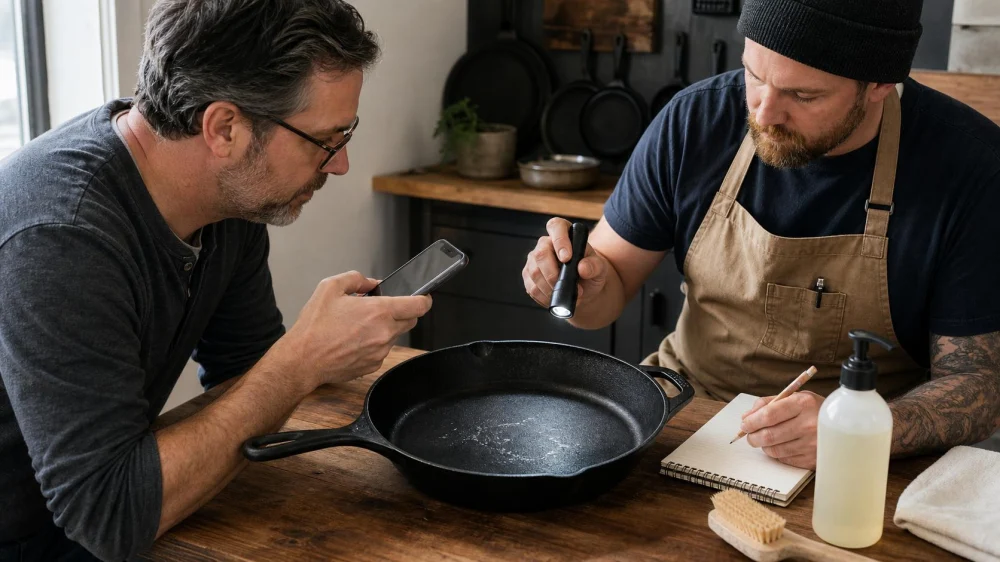
White or pale residue on cast iron may be dried mineral deposits, salt, soap film, flour, oxidized food, wax or coating from storage, or contamination from an unknown cleaner. Do not season over an unidentified layer. Let the pan cool, photograph the pattern, review what contacted it, and use a mild hand-cleaning method appropriate for bare cast iron. Stop if the residue persists, has a chemical odor, follows unknown restoration work, or appears with cracks or severe corrosion.
Chicago Odorless Bathtub Refinishing / eco tub restoration
3236 W Eastwood Ave, Chicago, IL 60625, USA
Possible causes of white residue
Powder after cooking may be dried salt, starch, or food ash. Spots after rinsing can reflect hard-water minerals or cleaner left behind. A cloudy film after oiling may come from excess fat, an unsuitable product, or uneven heating. Vintage or stored cookware can carry wax, polishing compound, pest residue, paint dust, or an unknown restoration chemical. Color and texture alone cannot reliably identify the material.

America Refinishing Pros / america refinishing pros
9510 SW 137th Ave, Miami, FL 33186, USA
How to inspect safely
- Allow the cookware to cool completely and move it to good ventilation.
- Photograph the full pan and close details before cleaning.
- Note whether the material is powdery, crusty, greasy, fuzzy, or firmly bonded without tasting it.
- Review recent foods, water source, soap, oil, storage wrap, and restoration products.
- Check handles, rim, cooking surface, underside, and lid for cracks or heavy rust.
- Keep unknown residue away from food until the cookware is assessed and cleaned.
A conservative cleaning path
For known modern bare cast iron, hand-wash with warm water, a small amount of mild dish soap if needed, and a non-aggressive brush or pad. Rinse thoroughly, dry promptly, and warm gently only after the pan is visibly clean and free of cleaner. Do not combine chemicals, use oven cleaner without a controlled restoration plan, grind the surface, or place an unknown vintage item in a self-cleaning oven. Follow the cookware maker’s care instructions when available.
Reseason or seek restoration
Reseasoning is appropriate only after the surface is identified, clean, sound, and dry. Apply a very thin layer of a suitable food-grade oil according to the manufacturer’s method, remove visible excess, and heat with ventilation and fire-safe supervision. Professional restoration is a better choice for valuable vintage pieces, unknown coatings, thick scale, failed plating or enamel, persistent contamination, deep pitting, repaired cracks, or uncertain prior chemical treatment.
When to stop
Do not cook with the pan if residue returns after cleaning, smells like solvent or fuel, transfers color unexpectedly, came from pest or building contamination, or follows a restoration process you cannot verify. Stop heating for smoke beyond normal seasoning, fire, sudden cracking, or a loose handle. Cool safely and seek professional advice. Discard food that directly contacted an unknown residue rather than trying to rinse and serve it.
Assessment checklist
Record cookware brand or markings, bare iron versus enamel or plating, age and provenance, first appearance, recent food, soap, oil, water, storage, restoration products, odor without close inhalation, residue pattern, rust, pitting, cracks, and photos before and after mild cleaning. Ask a restorer what the residue likely is, how it will be removed, whether the piece remains structurally sound, and which care method applies afterward.
Limits and safety notes
This general U.S. cookware guidance cannot identify a substance, certify food-contact safety, or assess metal integrity from a photo. Do not taste residue, mix cleaning chemicals, heat unknown coatings, use power tools, or expose people to fumes. Enamel, plated iron, bare cast iron, and decorative pieces need different care. Product instructions, verified restoration records, local poison-control advice, and qualified professional findings take priority.
Evidence notes
A useful diagnosis connects the residue to recent contact history, surface type, water, cleaning products, oil, storage conditions, and change after a conservative wash. Repeat appearance under the same condition is stronger evidence than color alone. Manufacturer care instructions and material identification are the best references for cleaning and seasoning. Unknown vintage coatings or chemical exposure justify professional assessment before food use.
Frequently asked questions
Is white residue always mould?
No. Minerals, salt, soap, starch, oil products, and other materials can look pale. Avoid use until the source is clear.
Can hard water leave spots on cast iron?
It can leave mineral deposits after rinsing. Thorough rinsing and prompt drying may help when that cause is known.
Should I season over the film?
No. Seasoning can trap an unidentified material against the cooking surface.
Can I scrape it off with a metal tool?
Aggressive scraping can damage seasoning, enamel, plating, or collector surfaces. Identify the material first.
When should food be discarded?
Discard food that contacted an unknown chemical, pest residue, flaking coating, or other material whose safety cannot be verified.
Next steps
Pause cooking, document the residue and recent contact history, identify the cookware surface, and try only a manufacturer-compatible mild hand wash when the item is known bare cast iron. Do not season over the film or heat an unknown coating. Seek a qualified restorer or product maker’s advice for persistent residue, vintage uncertainty, structural damage, or possible chemical contamination.




 Palmetto Bath4.0 (283 reviews)
 New Surface - Bathtub Refinishing | Surface Refinishing | Chips Cracks Repairs4.0 (6 reviews)
 Bathtub Solutions0.0 (0 reviews)
 Calibrated Surfaces, Inc.4.0 (20 reviews)
 ZaZa Remodeling5.0 (10 reviews)
 Coastal Resurfacing4.0 (40 reviews)
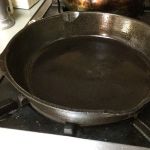 How to Refurbish a Cast Iron Skillet at Home: A Complete Guide
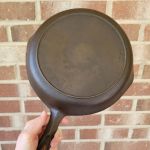 Best Products for Cast Iron Restoration Service: Top Tools and Products
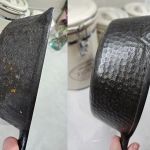 Simple At-Home Techniques for Cast Iron Restoration | Restore Your Cookware
 How to Restore Cast Iron at Home | A Complete Guide for Beginners
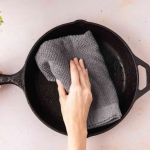 How Long Does Cast Iron Skillet Refinishing Take? Realistic Timeline for Restoration
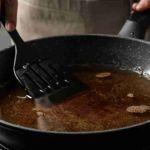 What to Avoid When Attempting Cast Iron Refinishing: Common Mistakes to Watch Out For