
How to Store Cast Iron Cookware and Prevent Rust
On this page
Quick answer
Store cast iron completely clean and dry, with a very thin film of cooking oil on bare or seasoned iron. Choose a dry cabinet with airflow, keep pans away from sinks and damp basements, and place breathable separators between stacked pieces. Store lids slightly open or separately so moisture cannot become trapped. Recheck cookware periodically during humid seasons or long storage.

Fort Worth Refinishing / fort worth bathtub refinishing
2627 S Cooper St Suite E12, Arlington, TX 76015, USA
Why stored cast iron rusts
Rust is iron oxide formed when exposed iron reacts with oxygen and moisture. Seasoning reduces contact between the metal and water, but scratches, thin spots, condensation, food residue, and trapped humidity can expose the surface.
Storage rust usually reflects moisture management, not a pan that is permanently ruined. The goal is to eliminate water, protect the surface, and allow humidity to escape.

America Refinishing Pros / america refinishing pros
9510 SW 137th Ave, Miami, FL 33186, USA
Prepare a pan after cooking
- Remove food and wash using the pan maker’s directions.
- Rinse away all residue; trapped salt and acidic food can damage the surface.
- Dry immediately with a towel.
- Warm the pan gently on the stove until residual moisture evaporates, staying with it.
- Let it cool enough to handle safely.
- Wipe on a tiny amount of neutral cooking oil, then wipe again until the surface looks nearly dry rather than greasy.
A thick oil coat can become sticky or rancid during storage. Best protection is thin and even. Do not place a hot pan into a closed cabinet.
Choose the storage place
- Good choice: a dry, ventilated kitchen cabinet or sturdy open shelf away from splashing.
- Use caution: a drawer or low cupboard near plumbing, where small leaks and condensation may go unnoticed.
- Not ideal: a damp basement, unconditioned shed, humid garage, dishwasher, or sealed plastic bag.
- Check support: cast iron is heavy; shelves, hooks, and slides must be rated and securely installed.
Place frequently used pans where they can be lifted without reaching above shoulder height or twisting. A protective tray can reveal a cabinet leak without sealing the cookware in moisture.
Stack pans without damage
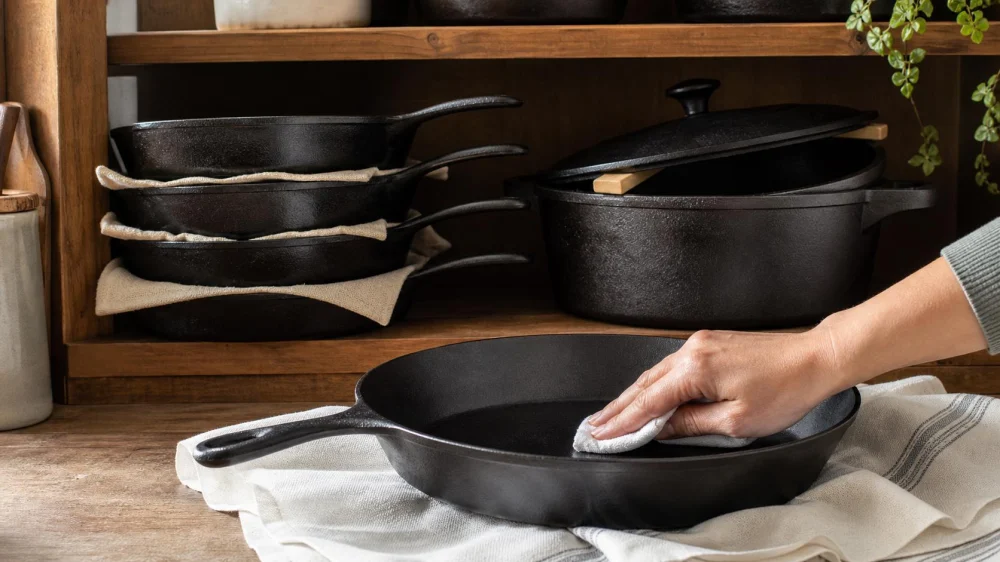
Place a clean, dry, breathable pan protector, paper towel, or lint-free cloth between pieces. This reduces abrasion, allows some airflow, and makes hidden moisture easier to notice. Replace paper or cloth if it becomes damp, oily, or dirty.
Stack largest to smallest on a stable surface and avoid towers that shift when one pan is removed. Do not place wet stainless steel, aluminium, or utensils inside the skillet for storage.
Store lids and Dutch ovens
A tightly closed lid can trap humid air. Store the lid separately on a rack, or keep it slightly ajar with a clean breathable spacer. For Dutch ovens, place a folded paper towel or designed lid spacer at several points so air can circulate.
Confirm that enamelled lids, self-basting spikes, and metal rims are dry. Enamelled cast iron does not require oil on intact enamel, but exposed iron rims may need manufacturer-approved care.
Long-term storage checklist
- Inspect for rust, sticky oil, food residue, cracks, and loose handles.
- Clean and dry completely.
- Apply only a whisper-thin oil film to seasoned iron.
- Use breathable separators, not airtight wrapping.
- Leave lids vented.
- Keep away from chemicals, pests, and plumbing leaks.
- Label storage boxes externally if cookware must be boxed, and add ventilation rather than sealing damp air.
- Inspect monthly at first, then adjust for local humidity.
If rust appears
For a small orange surface spot, scrub with an appropriate non-damaging method, wash, dry, oil, and rebuild seasoning as needed. Widespread rust, deep pitting, cracks, fire damage, unknown coatings, or a vintage item with uncertain past use deserves careful evaluation before cooking.
Do not hide rust beneath a heavy oil coat. Remove active corrosion and investigate the moisture source. A musty cabinet, damp separator, condensation, or plumbing seepage must be corrected or rust will return.
Limitations and safety notes
Follow the cookware manufacturer for enamel, nickel-plated, antique, or specialty finishes. This guide is for sound household cookware and does not verify food safety, metal contamination, structural cracks, or unknown historical use.
Use oven mitts for warmed cookware and keep oil away from open flames. Heavy pans can injure feet and damage shelves; use two hands and do not hang them from unverified hooks.
Frequently asked questions
Should cast iron be stored with oil on it?
A very thin wiped film can protect seasoned iron. If the pan looks wet or feels greasy, too much remains.
Can I store cast iron in the oven?
Only if the oven is dry, everyone knows it is there, and preheating habits make removal safe. Steam, spills, and forgotten cookware create risks.
Is a paper towel between pans safe?
A clean dry paper towel is a practical breathable separator. Replace it when damp or soiled and keep it away from heat during storage.
Why did a pan rust in a closed plastic bag?
The bag likely trapped moisture or condensation. Remove rust, dry the pan and storage area, then use a breathable setup.
Sources and evidence notes
The recommendations reflect general cookware-care practice and the basic corrosion principle that iron rusts in the presence of moisture and oxygen. Manufacturer instructions control for a particular seasoned, enamelled, plated, or specialty product.
Next steps
Empty the storage area, check for dampness or leaks, and clean and dry every piece. Add breathable separators, vent lids, and reduce unsafe stack height. Recheck after one week and again during the next humid-weather period to confirm the system stays dry.




 Newman Quality Construction4.0 (12 reviews)
 Mr. Bathtub Indy4.0 (20 reviews)
 NuFinishPro of Newport Beach5.0 (38 reviews)
 Fantastic Restoration4.0 (63 reviews)
 JBCK Custom Homes Builders5.0 (4 reviews)
 Top Refinish4.0 (52 reviews)
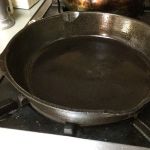 How to Refurbish a Cast Iron Skillet at Home: A Complete Guide
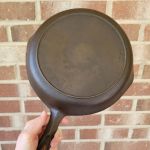 Best Products for Cast Iron Restoration Service: Top Tools and Products
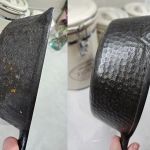 Simple At-Home Techniques for Cast Iron Restoration | Restore Your Cookware
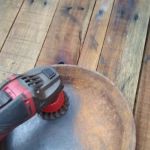 How to Restore Cast Iron at Home | A Complete Guide for Beginners
 How Long Does Cast Iron Skillet Refinishing Take? Realistic Timeline for Restoration
 What to Avoid When Attempting Cast Iron Refinishing: Common Mistakes to Watch Out For