
Store Cast Iron Cookware: Dry Air, Spacers, and Lid Position
On this page
Quick answer
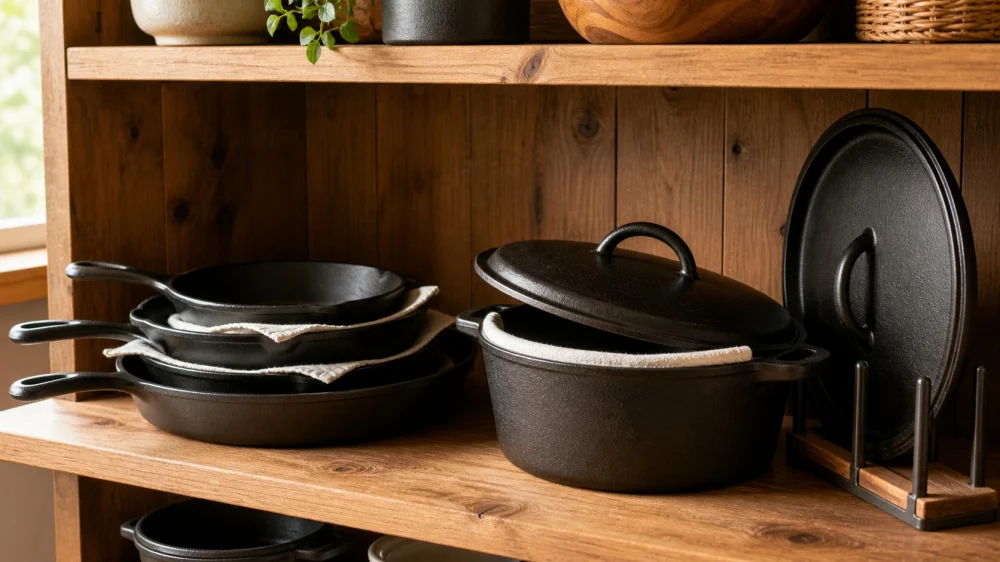
Store bare cast iron only after it is clean, completely dry, and protected by a thin, stable seasoning layer. Choose a dry cabinet or sturdy open shelf away from steam, leaks, and damp basements. When stacking pieces, place clean breathable spacers between them. Store lids separately or slightly ajar so hidden moisture does not remain trapped.
Inspect cookware before the next use. Dust, pests, odour, sticky oil, rust, or damaged seasoning should be addressed before cooking.

Chicago Odorless Bathtub Refinishing / eco tub restoration
3236 W Eastwood Ave, Chicago, IL 60625, USA
Dry completely before storage
After washing, dry the cookware promptly with a clean towel and gentle heat if appropriate for the piece. Allow it to cool fully before closing it in a cabinet or putting on a lid. Check handle openings, pour spouts, lid rims, feet, heat rings, and the underside where droplets can hide.
A heavy coat of oil can turn sticky or develop off odours. If oiling after cleaning, use only a very thin film and wipe until the surface does not appear wet.

Miracle Method Surface Refinishing / miracle refinish tubs
Santa RosaSonoma CountyCalifornia
3200 Dutton Ave Suite #325, Santa Rosa, CA 95407, USA
Choose a stable dry location
- Use a shelf rated for the combined weight.
- Keep cookware away from sink leaks, dishwasher steam, and humid exterior walls.
- Avoid storing directly on a damp concrete floor.
- Protect the pieces from falling objects and unstable hooks.
- Keep frequently used pans where they can be lifted without twisting or overreaching.
Wall racks and hooks must be securely installed into suitable structure. Cast iron can cause serious injury or damage if a support fails.
Stack without trapping moisture
Use clean paper towels, washable cotton pads, felt protectors designed for cookware, or another dry breathable spacer. The spacer reduces metal-on-metal rubbing and allows some airflow. Replace it if it becomes damp, oily, dusty, or torn.
Place larger, stable pieces at the bottom. Do not build a tall stack that must be lifted all at once, and do not let small handles create a tipping point.
Position lids for airflow
A tight cast iron lid can trap residual moisture and odour. Store it on a rack, invert it with a spacer where stable, or leave it slightly offset according to the cookware's shape. Check that a heavy lid cannot slide or fall.
For Dutch ovens, a folded breathable spacer at the rim can maintain a small gap. Do not use a damp cloth or sealed plastic liner inside the pot.
Prepare for long-term storage
- Clean and dry the entire piece.
- Inspect for active rust, cracks, sticky residue, and pests.
- Apply or refresh seasoning if needed.
- Wrap loosely in clean breathable material rather than airtight plastic.
- Choose a climate-stable location and keep it off damp floors.
- Schedule periodic inspections after humid weather or building leaks.
Record maker marks and existing condition before packing collectible or valuable pieces.
Important limitations
This is general guidance for bare cast iron cookware. Enameled pieces, plated surfaces, wooden handles, antiques, and manufacturer-specific finishes may need different care. Follow the maker or qualified restoration professional, especially for rare or damaged cookware.
Evidence notes
The storage plan manages the main deterioration factors: water promotes corrosion, trapped air and residues can create odour, heavy contact can scratch surfaces, and unstable weight creates handling risk. Thin, dry protection and periodic inspection are more reliable than heavy oil or airtight wrapping.
FAQ
Can I put a paper towel inside the pan?
Yes, if it is clean and dry; replace it when soiled or damp.
Should cast iron be stored in the oven?
Only if it does not interfere with safe oven use and is always removed before preheating. A dedicated shelf is easier to manage.
Can I hang a heavy skillet?
Only from hardware and structure rated for the load.
Should I seal cast iron in plastic?
Airtight plastic can trap moisture. Use breathable protection in a dry location.
How often should stored cookware be checked?
Check periodically and after humidity, leaks, moves, or long periods without use.
Next steps
Inspect the storage area for moisture and strength, dry each piece completely, add clean spacers, position lids for airflow, and set a reminder to inspect long-stored cookware.




 Mia Rao Design5.0 (10 reviews)
 Kansas City Remodel4.0 (41 reviews)
 Home Fixers4.0 (118 reviews)
 ABA Home Remodeling Contractors4.0 (44 reviews)
 Palm Coast Bathroom, Kitchen, Home Remodeling, Whole-House Construction, Renovations, Designs5.0 (1 reviews)
 ALEXA GRANITE5.0 (67 reviews)
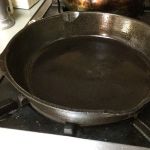 How to Refurbish a Cast Iron Skillet at Home: A Complete Guide
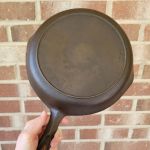 Best Products for Cast Iron Restoration Service: Top Tools and Products
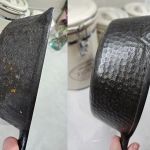 Simple At-Home Techniques for Cast Iron Restoration | Restore Your Cookware
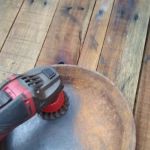 How to Restore Cast Iron at Home | A Complete Guide for Beginners
 How Long Does Cast Iron Skillet Refinishing Take? Realistic Timeline for Restoration
 What to Avoid When Attempting Cast Iron Refinishing: Common Mistakes to Watch Out For