
How to Tell if Your Bathtub Has Lead Paint or Hazardous Coatings
- Introduction
- History of Lead Paint in Bathtubs
- How to Identify Lead Paint
- Testing Methods for Lead Paint
- Dealing with Hazardous Coatings in Bathtubs
Introduction
If you are planning to renovate or restore an old bathtub, understanding the risks of lead paint and hazardous coatings is crucial for ensuring your safety. Older bathtubs, particularly those manufactured before the 1970s, may be coated with lead-based paints or other hazardous materials. Lead exposure can pose serious health risks, particularly to children and pregnant women. This guide will help you identify the presence of lead paint and other harmful coatings, and provide tips on how to handle these risks safely.

Miracle Method of Tempe / miracle method of tempe
1635 W University Dr UNIT 126, Tempe, AZ 85281, USA
History of Lead Paint in Bathtubs
Lead-based paint was commonly used in homes and appliances for many decades, including bathtubs. It was popular because it provided a durable, water-resistant finish. However, after its dangers became well-known, lead paint was banned for residential use in the late 1970s. Still, many older bathtubs may still contain lead-based paint, especially those manufactured before the ban.
During renovations, it’s important to know the age of your bathtub and to consider whether lead paint might still be present. Homes built before 1978 are particularly at risk, and any renovation work in these homes should be approached with caution.

America Refinishing Pros / america refinishing pros
9510 SW 137th Ave, Miami, FL 33186, USA
How to Identify Lead Paint
Identifying lead paint can be tricky, as it often looks like any other paint. However, there are a few signs that might indicate the presence of lead-based paint in your bathtub:
- Age of the Bathtub: Bathtubs installed before 1978 are more likely to have lead paint. If your bathtub is older than this, there’s a higher chance that it may contain lead-based coatings.
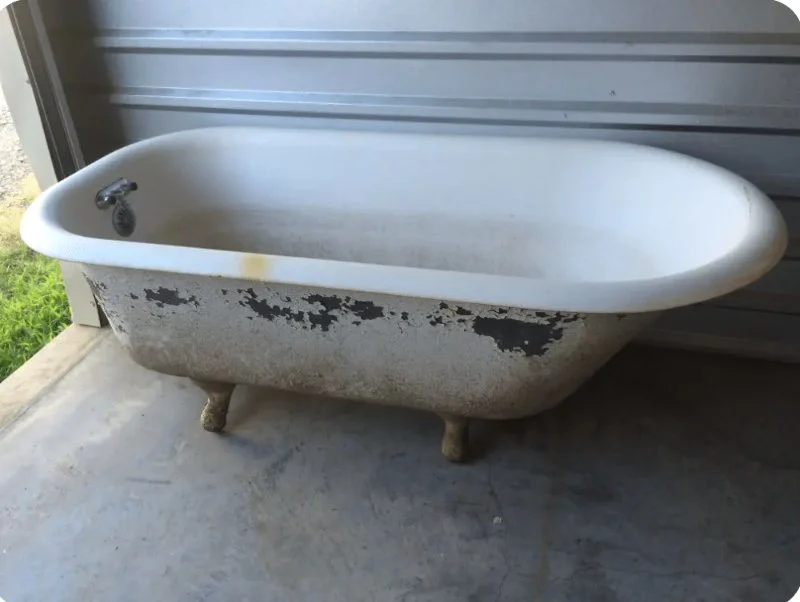
- Peeling or Chipping Paint: If the paint on your bathtub is flaking, cracking, or peeling, the chances of lead paint being present are higher. Lead-based paint deteriorates over time and can become hazardous when it breaks down.
- Color of the Paint: While not a definitive indicator, lead-based paint was often used in bright colors like red, yellow, and white. If your bathtub is painted in one of these colors, it could be a sign of lead paint.
Testing Methods for Lead Paint
The only way to definitively know if your bathtub contains lead paint is to conduct a test. There are several methods available for testing lead in paint:
- DIY Lead Test Kits: These kits are available at hardware stores and can be used to test the surface of your bathtub. They usually involve swabbing the paint and applying a solution that changes color if lead is present. While convenient, these tests may not always be 100% accurate.
- Professional Lead Testing: For a more thorough test, consider hiring a professional to conduct a lead inspection. Certified professionals can provide accurate results and recommendations for safe removal if lead paint is present.
- Laboratory Analysis: Another method is to take a sample of the paint or material from your bathtub to a laboratory for analysis. This is the most accurate method and can give you peace of mind that your bathtub is free from harmful coatings.
Dealing with Hazardous Coatings in Bathtubs
If you discover that your bathtub contains lead paint or other hazardous coatings, it’s crucial to take the right steps to manage the situation safely:
- Do Not Disturb: Avoid disturbing the paint or coating. Lead dust can be dangerous if it becomes airborne. If you are unsure, it's best to leave the area undisturbed until you have the paint tested.
- Professional Removal: The safest way to remove lead-based paint from a bathtub is by hiring a certified lead abatement contractor. They have the proper tools and safety protocols to remove the paint without putting you or others at risk.
- Repainting with Safe Coatings: Once the hazardous coatings have been removed, ensure that you repaint the bathtub with non-toxic, lead-free paint. This will help prevent further contamination and restore the bathtub's appearance and functionality.
When dealing with lead paint or hazardous coatings, always prioritize safety and consider professional assistance to avoid health risks. At Cast Iron Restoration, we specialize in bathtub restoration and can guide you through the process safely. If you have any concerns or need professional advice, don't hesitate to reach out to our experts for support.




 Details Home Improvement L.L.C.4.0 (13 reviews)
 Willis Builders Ltd.4.0 (32 reviews)
 US Apartment & Condo Remodeling5.0 (24 reviews)
 SouthSTAR Construction5.0 (63 reviews)
 Freedom Painting & Fine Finishes4.0 (31 reviews)
 DreamMaker Bath & Kitchen4.0 (16 reviews)
 How to Refurbish a Cast Iron Skillet at Home: A Complete Guide
 Best Products for Cast Iron Restoration Service: Top Tools and Products
 Simple At-Home Techniques for Cast Iron Restoration | Restore Your Cookware
 How to Restore Cast Iron at Home | A Complete Guide for Beginners
 How Long Does Cast Iron Skillet Refinishing Take? Realistic Timeline for Restoration
 What to Avoid When Attempting Cast Iron Refinishing: Common Mistakes to Watch Out For