
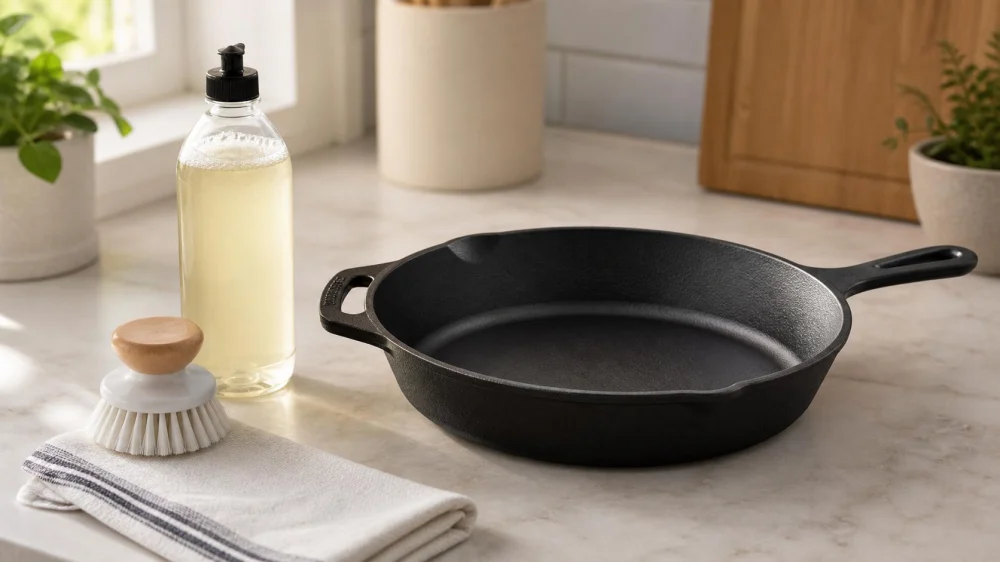
How to Remove Lingering Odors From Cast Iron Cookware
On this page
- Quick answer
- Identify the kind of odor first
- Start with a complete routine cleaning
- Use targeted low-risk deodorizing steps
- When the seasoning itself may be the problem
- Cleaning methods to avoid
- Prevent odors from returning
- Safety, limitations, and evidence notes
- Frequently asked questions
- Conclusion and next steps
Quick answer
Wash the cooled cast iron with hot water, a small amount of mild dish soap, and a non-scratching brush, then rinse, dry immediately, warm gently to remove residual moisture, and apply only a very thin oil film if the manufacturer recommends it. If odor remains, inspect for food in seams, sticky or rancid oil, rust, cracks, or unknown residue. Persistent rancid, chemical, or contamination odors need deeper restoration or retirement.

Miracle Method Surface Refinishing / miracle method boulder
Santa RosaSonoma CountyCalifornia
3200 Dutton Ave Suite #325, Santa Rosa, CA 95407, USA
Identify the kind of odor first
“Odor” can describe several different conditions:
- Recent food aroma: Fish, garlic, onion, spices, smoke, and animal fat can remain in surface oil or food residue.
- Rancid oil: Old or overly thick seasoning oil can smell stale, waxy, paint-like, or unpleasantly oily.
- Burned residue: Carbonized food in a rough area, around a handle, or at a pour spout may smell when heated.
- Rust and damp storage: Moisture can create a metallic or musty smell and visible orange-brown corrosion.
- Foreign contamination: Garage chemicals, pest residue, floodwater, unknown coatings, or non-food use require a different safety decision.
Smell alone cannot prove the pan is food-safe. Stop using cookware with unknown residue, deep cracks, flaking unknown coating, heavy corrosion, or a history of non-food chemical use until an experienced restorer or appropriate professional evaluates it.

Carefree Koatings / miracle method louisville ky
8919 Renetta Ct, Cincinnati, OH 45251, USA
Start with a complete routine cleaning
- Let the pan cool safely. Do not move a smoking-hot skillet to cold water; sudden temperature change can damage cookware and create steam burns.
- Remove loose food. Use a wood, silicone, or manufacturer-approved scraper. Avoid gouging the seasoning.
- Wash promptly. Use hot water, a small amount of mild dish soap, and a nylon or other non-scratching brush. Modern, sound seasoning should not depend on leaving food residue behind.
- Clean details. Wash the handle, helper handle, pour spouts, exterior, bottom, and any lid separately. Odor may be outside the cooking surface.
- Rinse completely. Remove soap and loosened residue without prolonged soaking.
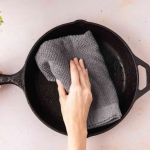
- Dry immediately. Towel dry, then warm the pan gently on a stable burner until remaining moisture evaporates. Stay present.
- Cool and inspect. Look for sticky patches, rust, trapped debris, or uneven residue before adding oil.
- Use a minimal oil film. If the cookware guidance calls for oil, wipe on a food-compatible seasoning oil and buff until the surface looks nearly dry.
Test the smell only after the pan cools. Heating any empty cookware excessively can create smoke, damage seasoning, and start a fire.
Use targeted low-risk deodorizing steps
If a routine wash removes visible residue but a mild food smell remains, repeat the wash once with fresh soap, a clean brush, and a clean towel. A dirty sponge or rancid drying cloth can put odor back on the pan.
For a sound bare cast-iron cooking surface, a small amount of coarse salt can be used as a gentle dry abrasive on a cooled pan if the manufacturer permits it. Rub lightly with a clean cloth or paper towel, discard the salt, then wash, rinse, and dry. Salt is not a disinfectant and should not replace cleaning.
Clean or replace odor-holding accessories separately:
- Silicone handle covers
- Fabric pan protectors
- Wooden lid knobs or utensils
- Cardboard storage liners
- Sponges, brushes, and towels
Cook one neutral, ordinary food only after the pan is clean, dry, and free of rancid or chemical odor. Do not try to “cook out” unknown contamination.
When the seasoning itself may be the problem
A thick, sticky, patchy, or soft coating can hold food odor and become rancid. Too much oil, unsuitable oil, incomplete curing, storage while damp, or layers applied over residue may contribute.
Light unevenness may improve through correct cleaning and a properly thin maintenance coat. Widespread sticky or foul-smelling seasoning may need controlled removal and reseasoning. The method should fit the cookware, condition, ventilation, fire safety, and manufacturer guidance.
Avoid improvising with oven self-clean cycles, open flames, power tools, strong chemicals, or outdoor fires. These can warp or crack cookware, release hazardous fumes, damage appliances, injure people, and destroy collectible value. A restoration specialist is a better choice for valuable vintage pieces or unknown coatings.
Cleaning methods to avoid
- Dishwasher: Long hot wet cycles and detergents can strip seasoning and promote rust.
- Soaking overnight: Prolonged water exposure can reach thin or damaged seasoning and start corrosion.
- Bleach or household disinfectant: These are not general cast-iron deodorizing methods and can leave unsafe residue or damage surfaces.
- Fragrance products: Air freshener, scented oil, and perfume mask odor and are not food-contact treatments.
- Excess oil: A thick “protective” layer can stay sticky and turn rancid.
- High empty heat: Burning off odor can create smoke, fire risk, seasoning damage, and thermal stress.
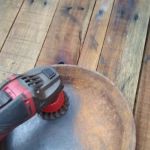
- Abrasive power tools: They can remove metal, alter markings, damage seasoning, and spread dust.
Prevent odors from returning
- Clean cookware soon after use and remove residue from the exterior and handles.
- Dry fully before stacking or covering.
- Use only a nearly invisible film of appropriate oil when needed.
- Store in a dry ventilated cabinet away from cleaning chemicals and strong odors.
- Keep lids slightly vented or store them separately so trapped moisture can escape.
- Use clean, dry pan protectors and wash them when they absorb food smell.
- Inspect cookware before long storage and again before cooking.
Do not store food in bare cast iron for extended periods. Transfer leftovers to an appropriate food-storage container once cooking and serving are complete.
Safety, limitations, and evidence notes
This guidance reflects common care for bare, seasoned cast iron cookware in the United States. Enameled cast iron, plated items, antique pieces, and pans with unknown coatings need different methods. Follow the specific manufacturer instructions.
Odor, color, and appearance cannot verify that cookware exposed to chemicals, sewage, floodwater, pests, lead-containing material, or non-food use is safe. Do not use home seasoning as a substitute for contamination assessment.
Heat cookware only on a stable suitable appliance, stay present, use dry heat-resistant protection, and maintain ventilation. Stop for smoke, flames, severe cracking, or a strong chemical odor.
Frequently asked questions
Does dish soap ruin cast iron seasoning?
A small amount of mild dish soap is commonly used on sound modern seasoning. Aggressive detergents, long soaking, and dishwashers are different. Follow the cookware maker's instructions.
Why does my pan smell fishy when it heats up?
Food residue or oil from the previous cook may remain on the surface, exterior, handle, lid, towel, or protector. Wash every component, dry fully, and inspect for sticky seasoning.
Can I use baking soda?
Some owners use it as a mild cleaner, but product finish and seasoning condition vary. Start with mild soap and a non-scratching brush; use only manufacturer-approved methods when more cleaning is needed.
Should cast iron smell like oil?
A faint neutral oil smell may be present after seasoning, but a strong stale, sticky, paint-like, or rancid smell suggests excess or degraded oil that needs cleaning and possible reseasoning.
When should I stop using the pan?
Stop for unknown chemical or non-food use, flood or pest contamination, deep cracks, flaking unknown coatings, severe corrosion, or persistent chemical odor. Seek experienced restoration or food-safety guidance.
Conclusion and next steps
Identify whether the smell comes from recent food, rancid oil, burned residue, rust, accessories, or unknown contamination. Wash the complete cooled pan with mild soap, rinse, dry immediately, and use only a thin maintenance film. If odor persists with sticky seasoning, corrosion, cracks, or an unknown history, stop cooking and choose controlled restoration or retirement instead of masking the problem.



 HardRoc Roofing and Construction4.0 (39 reviews)
 JK COMPLETE REMODELING AND CONSTRUCTION INC4.0 (41 reviews)
 Quality Restoration5.0 (145 reviews)
 Re-A-Door Kitchen Cabinets Refacing5.0 (112 reviews)
 Advance Design Studio4.0 (84 reviews)
 ReNew Home Remodeling5.0 (20 reviews)
 How to Refurbish a Cast Iron Skillet at Home: A Complete Guide
 Best Products for Cast Iron Restoration Service: Top Tools and Products
 Simple At-Home Techniques for Cast Iron Restoration | Restore Your Cookware
 How to Restore Cast Iron at Home | A Complete Guide for Beginners
 How Long Does Cast Iron Skillet Refinishing Take? Realistic Timeline for Restoration
 What to Avoid When Attempting Cast Iron Refinishing: Common Mistakes to Watch Out For