
How to Prepare Cast Iron Cookware for Professional Restoration
On this page
Quick answer
Before professional restoration, stop using the cookware, let it cool and dry completely, photograph every surface and marking, list known cracks, wobble, rust, coatings, odors, and prior cleaning attempts, and decide whether the goal is display, identification, or food use. Do not grind, sandblast, drill, weld, use oven cleaner, or perform electrolysis unless the restorer specifically asks. Confirm the service scope and packing instructions before drop-off or shipping.
Preparation should preserve evidence and prevent further damage. The restorer needs to see the actual condition, not a partially altered surface.

Miracle Method Surface Refinishing / miracle tub refinishing
Santa RosaSonoma CountyCalifornia
3200 Dutton Ave Suite #325, Santa Rosa, CA 95407, USA
Decide what outcome you want
Tell the restorer whether you want gentle stabilization, full seasoning removal, rust treatment, cosmetic improvement, maker identification, or preparation for cooking. A collectible piece may need a different approach from common cookware intended for daily use.
Ask whether the service evaluates food-use suitability. Restoration can improve the surface but cannot guarantee the safety of unknown metal composition, hidden cracks, old repairs, or previous exposure to lead or other substances.

America Refinishing Pros / america refinishing pros
9510 SW 137th Ave, Miami, FL 33186, USA
Document the cookware first
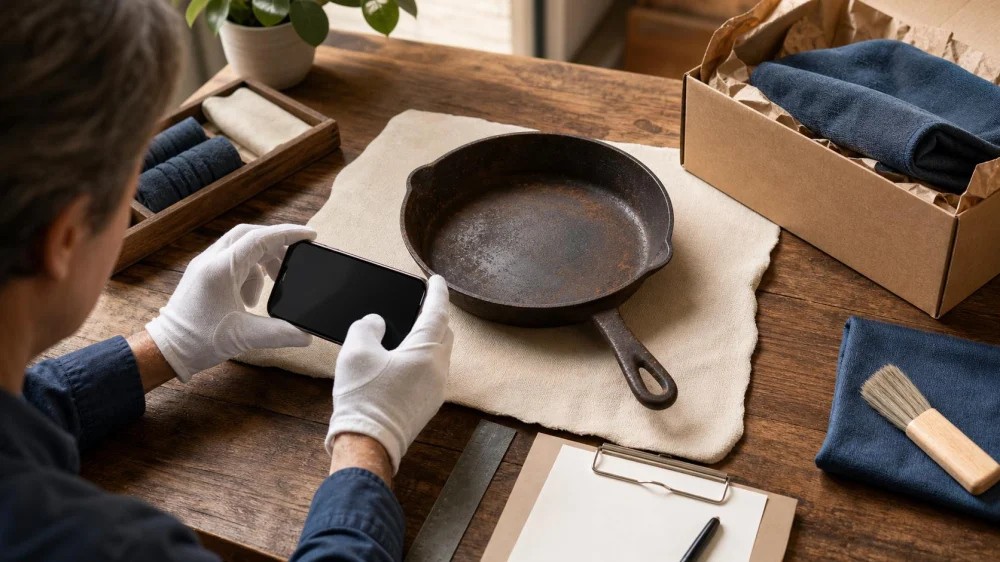
Photograph the top, bottom, interior, exterior, rim, handle, helper handle, pour spouts, lid, and every raised or incised mark. Use indirect light and include a ruler or familiar object for scale without covering details.
Record dimensions, weight, where the piece came from, how it was stored, and any known use. Note rocking on a flat surface, pitting, flaking material, reddish rust, sticky seasoning, unusual color, holes, or repaired areas. Keep removable parts together but photograph them separately.
Avoid risky pre-cleaning
Remove only loose dry debris with a soft brush if the restorer approves. Do not scrape maker's marks, force a stuck lid, pry attachments, or soak a piece before transport. Moisture trapped in wrapping can accelerate rust.
Strong chemicals, power tools, fire, self-cleaning ovens, and uncontrolled electrolysis can damage metal, erase collector value, create hazardous exposure, or conceal diagnostic clues. Tell the professional exactly what has already been tried.
Give the restorer useful information
- Desired use: display, collection, or cooking.
- Known history and previous restoration.
- Visible defects and stability concerns.
- Possible contact with paint, batteries, molten metal, industrial materials, or unknown substances.
- Parts that belong together.
- Areas or patina you want preserved.
- Deadline and return-shipping requirements.
- Permission needed before extra work or testing.
Request a written scope that distinguishes cleaning, stripping, rust removal, seasoning, repairs, testing, and return packaging.
Pack for safe handoff or shipping
Follow the restorer's instructions and the carrier's current rules. Ensure the item is cool and dry. Protect it from movement and metal-to-metal contact using clean, dry, nonabrasive cushioning. Support heavy handles and lids rather than letting their weight strike the pan.
Use a box rated for the weight, reinforce it appropriately, and consider double boxing. Avoid sealing damp paper or cloth against iron. Photograph the packed layers, record the shipment weight, use tracking, and discuss insurance and signature requirements for valuable pieces.
Preparation checklist
- Stop cooking with damaged or questionable cookware.
- Choose display, collection, or food-use goals.
- Photograph all surfaces, markings, and defects.
- Record measurements, weight, history, and prior methods.
- Disclose unknown coatings or non-food uses.
- Avoid aggressive pre-cleaning.
- Approve a written scope and change process.
- Follow dry, weight-appropriate packing instructions.
Limitations and safety notes
- Do not cook with cracked, severely warped, unstable, or unknown-use cast iron.
- Old paint, residues, repair metals, and contamination may require qualified testing.
- Home lead-test results can be limited and should not be treated as universal proof of safety.
- Heavy cookware can injure hands, feet, and backs; use suitable lifting help.
- Irreplaceable value may justify a conservator rather than routine cookware restoration.
Frequently asked questions
Should I wash the pan before sending it?
Ask the restorer. A light approved cleaning may be acceptable, but the piece must be fully dry and its original condition should be documented first.
Should existing seasoning be preserved?
It depends on age, condition, collectibility, contamination concerns, and the restoration goal. Decide this with the professional.
Can a cracked pan be restored for cooking?
A cosmetic or display treatment may be possible, but cracked cookware should not be assumed safe for heat or food use.
Do I need to remove the lid?
Do not force a stuck lid. Tell the restorer and follow specific packing guidance.
Should I insure the shipment?
Consider value, rarity, carrier terms, exclusions, and documentation. Confirm how claims would be supported.
Sources and evidence notes
This preparation method uses conservation and service-handoff principles: document before altering, define the intended use, disclose unknown exposures, avoid irreversible treatment, approve scope, and control moisture and movement during transport. The object's history and the restorer's process determine the final plan.
Make a condition record
Take clear photographs and write a one-page condition note before contacting a restorer. Include the desired outcome, known history, possible contamination, defects, previous methods, and whether the piece is collectible. Ask for packing instructions and a written scope before sending it.



 R Brand4.0 (6 reviews)
 Design Invention, Inc.5.0 (17 reviews)
 Vortex Construction5.0 (34 reviews)
 Miracle Method4.0 (127 reviews)
 AGSI Carpentry & Restoration4.0 (51 reviews)
 Kitchen Solvers of Elgin0.0 (0 reviews)
 How to Refurbish a Cast Iron Skillet at Home: A Complete Guide
 Best Products for Cast Iron Restoration Service: Top Tools and Products
 Simple At-Home Techniques for Cast Iron Restoration | Restore Your Cookware
 How to Restore Cast Iron at Home | A Complete Guide for Beginners
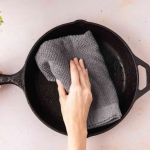 How Long Does Cast Iron Skillet Refinishing Take? Realistic Timeline for Restoration
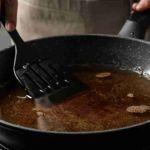 What to Avoid When Attempting Cast Iron Refinishing: Common Mistakes to Watch Out For