
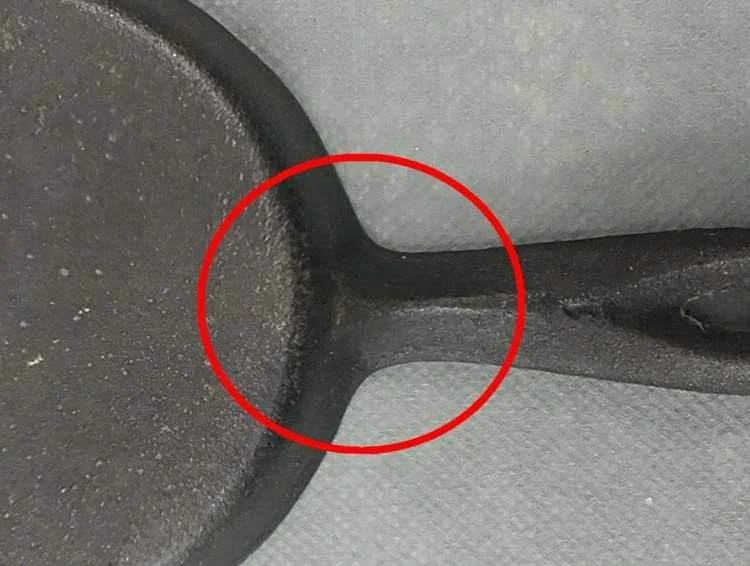
- 1. Why Cast Iron Cookware Needs Repair
- 2. Signs Your Vintage Cast Iron Cookware Needs Repair
- 3. Common Cast Iron Cookware Issues and How to Fix Them
- 4. Step-by-Step Guide to Repairing Your Cast Iron
- 5. Maintaining Your Vintage Cast Iron Cookware
1. Why Cast Iron Cookware Needs Repair
Vintage cast iron cookware is known for its durability and timeless appeal. However, over time, even the most well-maintained pieces may need some repairs. Cast iron, while strong and long-lasting, is susceptible to issues like rust, cracks, and warping, especially when not properly cared for. Identifying these problems early can help preserve your beloved cookware for years to come.
While cast iron is nearly indestructible when properly maintained, it’s essential to know when and how to repair it to avoid compromising its performance. Whether you’ve inherited a family heirloom or discovered a vintage piece at a flea market, it’s important to know how to assess the condition of your cast iron cookware and what repair steps may be necessary.

Miracle Method Surface Refinishing / miracle method boulder
Santa RosaSonoma CountyCalifornia
3200 Dutton Ave Suite #325, Santa Rosa, CA 95407, USA
2. Signs Your Vintage Cast Iron Cookware Needs Repair
Understanding the signs that your cast iron cookware needs repair is key to maintaining its integrity. Here are some common indicators that it may be time to take action:
- Rust – One of the most common issues with cast iron cookware, rust can develop if the cookware is exposed to moisture or not properly seasoned. Small spots of rust can often be cleaned, but if the rust is widespread, it may require more extensive restoration.
- Cracks – If you notice any visible cracks in the cooking surface or handle, it’s important to address them immediately. Cracks can compromise the cookware’s performance and make it unsafe to use, as they may spread further under heat.
- Warping – Overheating or improper handling can cause the cast iron to warp. This can affect the cookware's ability to maintain even heat distribution, which is essential for good cooking. A warped pan may no longer sit flat on the stove or in the oven, leading to uneven cooking.
- Flaking or Uneven Surface – If the surface of your cast iron cookware starts to flake or becomes uneven, it may need to be re-seasoned or restored. A well-seasoned surface should be smooth and non-stick, making it easier to clean and maintain.
3. Common Cast Iron Cookware Issues and How to Fix Them
Once you've identified that your cast iron cookware needs repair, it's essential to understand how to tackle the issues effectively. Below are some common problems and how to fix them:
- Rust Removal – If your cast iron cookware has developed rust, the first step is to remove it. You can use a combination of steel wool and mild abrasive cleaners to scrub away the rust. After the rust is removed, make sure to re-season the cookware to prevent future rusting.
- Crack Repair – Small cracks in cast iron cookware can be repaired using specialized cast iron epoxy or welding. For larger cracks or significant damage, it may be best to consult a professional for repair to ensure the cookware remains functional and safe.
- Seasoning Restoration – If the seasoning has worn away or become uneven, the cookware may not perform as well. To restore the seasoning, clean the surface thoroughly, dry it, and apply a thin layer of vegetable oil or flaxseed oil. Bake the cookware in the oven at a high temperature to allow the oil to form a protective layer.
- Warping Fixes – While warping is difficult to fix entirely, some minor warps can be addressed by slowly heating the cookware and then cooling it down. Be sure to avoid extreme temperature changes, as this can worsen the warping.
4. Step-by-Step Guide to Repairing Your Cast Iron
Here is a simple step-by-step guide to help you repair common issues with your vintage cast iron cookware:
- Clean the Cookware – Thoroughly clean your cast iron with hot water and mild soap. Use a stiff brush or steel wool to remove any rust or debris. Dry the cookware completely to prevent further rusting.
- Inspect for Damage – Carefully inspect the cookware for any cracks, chips, or warping. If you find any cracks or chips, repair them using cast iron epoxy or consult a professional welder for larger cracks.
- Remove Rust – For rust spots, scrub the affected area with steel wool or an abrasive cleaner until the rust is gone. Be sure to clean the entire surface, as rust can spread quickly if not addressed.
- Re-Season the Cookware – Once the cookware is cleaned and repaired, re-season it by applying a thin layer of oil to the cooking surface. Bake it upside down in the oven at 450°F for an hour, allowing the oil to bake into the surface and create a non-stick coating.
- Regular Maintenance – After each use, clean your cast iron cookware with a stiff brush and avoid using soap, as it can strip away the seasoning. Always dry the cookware thoroughly and apply a light coat of oil to prevent rusting.
5. Maintaining Your Vintage Cast Iron Cookware
Proper maintenance is key to ensuring your vintage cast iron cookware lasts for generations. Here are some essential maintenance tips:
- Regular Cleaning – After each use, clean your cast iron cookware with hot water and a brush. Avoid soaking the pan in water, as this can lead to rust. For stubborn food residue, use a salt scrub to help remove it.
- Proper Storage – Store your cast iron cookware in a dry place to prevent moisture buildup. If stacking your cookware, place a paper towel between the pieces to absorb any moisture and prevent rust.
- Re-season When Needed – Re-season your cookware as needed, especially if you notice that food starts sticking or the surface appears dull. Proper seasoning helps protect the cookware and maintain its non-stick surface.
By following these simple steps, you can keep your vintage cast iron cookware in great condition for years. If you're unsure about the best repair techniques or need the right supplies, visit Cast Iron Restoration to find top-quality products and services to restore and maintain your cookware.




 Colonial Remodeling & Construction, Inc.4.0 (23 reviews)
 TRG (The Rienks Group)5.0 (42 reviews)
 Amberleaf Home - HQ4.0 (6 reviews)
 GS Reno Innovation LLC & Duck Shower.5.0 (17 reviews)
 Cutting Edge Reglazing - Bathtub and Tile Refinishing4.0 (130 reviews)
 Premier Remodeling Services LLC5.0 (39 reviews)
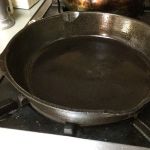 How to Refurbish a Cast Iron Skillet at Home: A Complete Guide
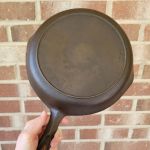 Best Products for Cast Iron Restoration Service: Top Tools and Products
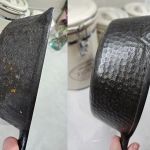 Simple At-Home Techniques for Cast Iron Restoration | Restore Your Cookware
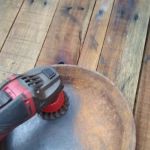 How to Restore Cast Iron at Home | A Complete Guide for Beginners
 How Long Does Cast Iron Skillet Refinishing Take? Realistic Timeline for Restoration
 What to Avoid When Attempting Cast Iron Refinishing: Common Mistakes to Watch Out For