
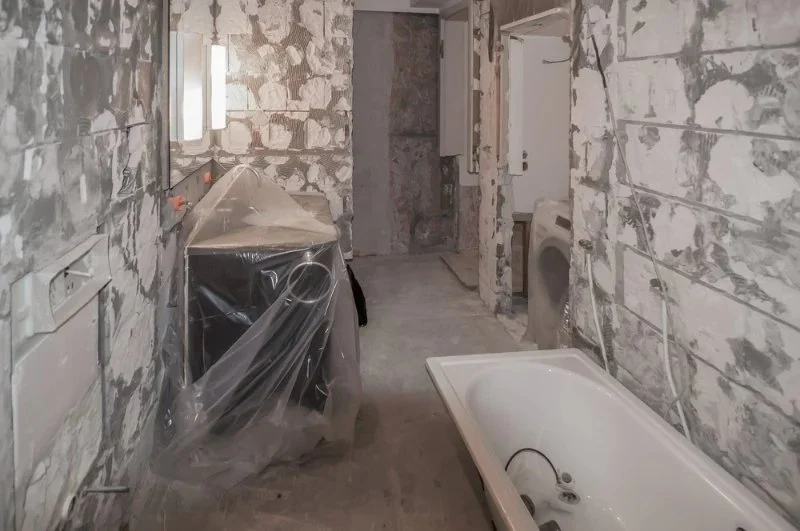
 1. How to Prevent Water Damage During Your Bathroom Remodel
- The Importance of Waterproofing in Bathroom Remodels
- Choosing Water-Resistant Materials
- Proper Installation Techniques to Prevent Leaks
- Ensuring Proper Drainage and Ventilation
Bathroom remodels can be a rewarding project that enhances both the function and aesthetics of your space. However, if not properly planned, they can also lead to costly water damage. Water damage is one of the most common issues faced during bathroom renovations, and it can have severe consequences if not addressed early on. In this article, we’ll provide practical tips on how to avoid water damage, ensuring that your bathroom remodel remains damage-free and durable for years to come.
2. The Importance of Waterproofing in Bathroom RemodelsWaterproofing is the cornerstone of preventing water damage during a bathroom remodel. Bathrooms are naturally high-moisture areas, and without proper waterproofing, water can seep into walls, floors, and the surrounding structure, causing long-term damage. Here’s why waterproofing should be your first priority:
- Protects Structural Integrity: Waterproofing prevents water from penetrating the structure of your bathroom, which can lead to mold, mildew, and even wood rot if left unchecked.
- Prevents Costly Repairs: A well-waterproofed bathroom reduces the likelihood of needing expensive repairs later. It also helps maintain the integrity of the underlying materials, avoiding the need to replace drywall, wood, or flooring.
- Enhances Longevity: Proper waterproofing increases the lifespan of your remodel. It ensures that the materials you’ve invested in will remain in top condition and resist water damage over time.
Make sure to apply a high-quality waterproofing membrane behind the tiles and around areas prone to moisture, like the shower and bathtub. This will act as an additional barrier against water infiltration.
3. Choosing Water-Resistant MaterialsOne of the most effective ways to avoid water damage during a bathroom remodel is by choosing the right materials. Opt for water-resistant and moisture-resistant materials in areas that are most susceptible to water exposure. Here's what to consider:
- Waterproof Flooring: Choose tiles, vinyl, or other waterproof materials for your flooring. Ceramic and porcelain tiles are excellent choices as they’re non-porous and easy to maintain. Avoid using materials like wood or laminate, which can absorb moisture and warp over time.
- Water-Resistant Walls: Use water-resistant drywall (often referred to as “green board”) or cement backer board in areas like the shower and around the tub. These materials prevent water from seeping into the walls and causing structural damage.
- Sealing Grout: Grout is often overlooked but can be a significant source of water penetration. Ensure that your grout is sealed properly to prevent water from getting trapped between the tiles.
- Waterproof Paint: For areas that don’t require tile, use waterproof paint or coatings. These can be applied to the walls and ceiling to help protect them from moisture buildup.
Choosing these materials ensures that your bathroom remodel is both aesthetically pleasing and built to withstand moisture without suffering damage over time.
4. Proper Installation Techniques to Prevent LeaksEven with the best materials, improper installation can lead to water leaks and eventual damage. Here’s how to ensure proper installation during your remodel:
- Professional Installation: Consider hiring experienced contractors who specialize in bathroom remodels. Professionals will know how to install waterproofing systems, tile, and fixtures to ensure they’re sealed properly.
- Seal All Joints: It’s essential to seal all joints and seams where water can penetrate, such as around the bathtub, shower, and sink. Use caulk or silicone sealant for these areas to prevent leaks.
- Test the Plumbing: Before finalizing the installation, ensure that all plumbing fixtures are correctly installed and leak-free. Have your plumber test the pipes for leaks before the walls are closed up and the floors are finished.
Even the best materials can’t protect against leaks if they aren’t installed properly, so don’t skimp on quality craftsmanship.
5. Ensuring Proper Drainage and VentilationProper drainage and ventilation are essential to avoiding water damage during a bathroom remodel. Without these, moisture can build up, leading to mold, mildew, and other problems. Here’s how to ensure your bathroom has the right drainage and ventilation:
- Install a High-Quality Drainage System: Make sure your shower, tub, and sink drains are installed correctly and function efficiently. Poor drainage can lead to standing water, which contributes to water damage over time.
- Ventilation Is Key: Use an exhaust fan that vents to the outside to remove excess moisture from the bathroom. A bathroom that isn’t properly ventilated will trap humidity, encouraging mold growth. Make sure to choose a fan with enough power to handle the size of your bathroom.
- Floor Drainage: Consider installing a floor drain in areas where water may pool, such as the shower or around the bathtub. This provides an extra level of protection against water overflow.
By ensuring proper drainage and ventilation, you’ll minimize the chances of water damage and create a healthier, more comfortable bathroom environment.

 Picklo Homes - Custom Home Builder4.0 (14 reviews)
 BrightWise Handyman Services5.0 (18 reviews)
 Alpha Contracting Services LLC4.0 (65 reviews)
 Studio41 Home Design Showroom4.0 (87 reviews)
 Tub Glazer5.0 (24 reviews)
 ANG Granite And Cabinets4.0 (56 reviews)
 How to Refurbish a Cast Iron Skillet at Home: A Complete Guide
 Best Products for Cast Iron Restoration Service: Top Tools and Products
 Simple At-Home Techniques for Cast Iron Restoration | Restore Your Cookware
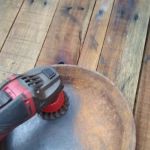 How to Restore Cast Iron at Home | A Complete Guide for Beginners
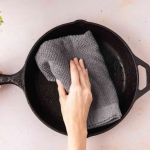 How Long Does Cast Iron Skillet Refinishing Take? Realistic Timeline for Restoration
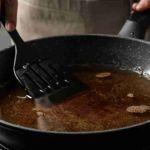 What to Avoid When Attempting Cast Iron Refinishing: Common Mistakes to Watch Out For