
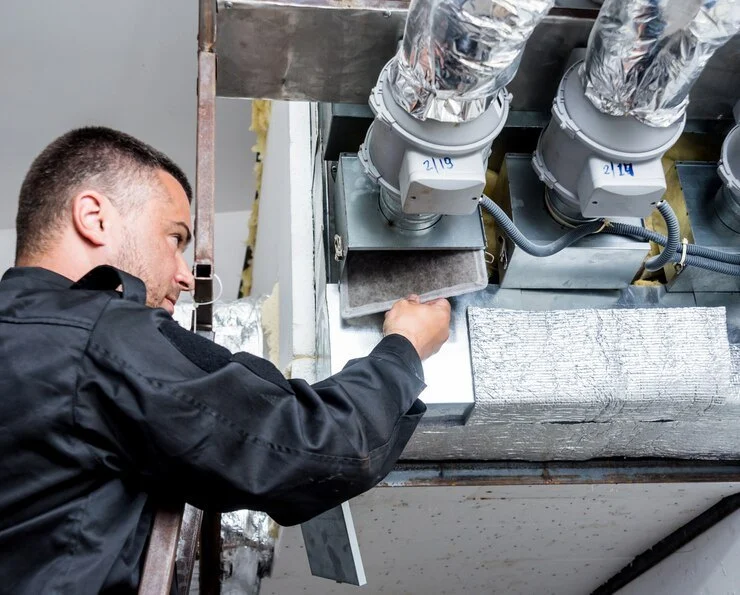
Why Ventilation is Crucial During Refinishing Work
Refinishing work, whether it involves furniture, floors, or even cast iron pieces, often requires the use of paints, stains, solvents, and other chemicals that can release harmful fumes. Proper ventilation is essential not only to ensure the safety of those performing the work but also to prevent long-term health issues related to inhaling toxic fumes. Inadequate airflow during refinishing work can lead to a buildup of hazardous vapors, which can cause dizziness, headaches, respiratory issues, and even more severe health conditions.
Chicago Odorless Bathtub Refinishing / eco tub restoration
3236 W Eastwood Ave, Chicago, IL 60625, USA
How to Properly Ventilate During Refinishing Work
Creating an effective ventilation system during refinishing work is vital to ensure that harmful chemicals are dispersed properly. There are a few key methods to achieve this:

Miracle Method Surface Refinishing / miracle refinish tubs
Santa RosaSonoma CountyCalifornia
3200 Dutton Ave Suite #325, Santa Rosa, CA 95407, USA
1. Use of Exhaust Fans and Ventilation Systems
One of the most effective ways to ventilate a space during refinishing work is by using exhaust fans or mechanical ventilation systems. These systems work by drawing in fresh air from outside and pushing out the contaminated air, thereby preventing a buildup of fumes. If you’re working in an enclosed space, installing exhaust fans can significantly improve airflow and remove fumes directly from the area of work.
2. Open Windows and Doors
If possible, open windows and doors to create cross-ventilation. This method allows fresh air to enter while pushing out contaminated air. Even though exhaust fans are highly effective, natural airflow can provide an additional layer of safety when working in small or poorly ventilated spaces.
3. Use of Air Purifiers
Air purifiers equipped with activated carbon filters can help remove volatile organic compounds (VOCs) and other fumes generated during refinishing work. These devices help to purify the air, making the work environment safer and more breathable. Place air purifiers near the source of fumes for maximum efficiency.
Proper Ventilation After Refinishing Work
After finishing a refinishing project, continued ventilation is necessary to allow any remaining fumes or chemicals to dissipate completely. Here’s what you need to do:
1. Continue to Use Exhaust Fans
Even after the refinishing is completed, continue to run the exhaust fans for a few hours to remove lingering fumes. This step is crucial for ensuring that all potentially harmful vapors are fully removed from the space before the area is occupied.
2. Keep Windows and Doors Open
As with the work phase, keeping windows and doors open allows for further air circulation, helping the remaining chemicals to evaporate. The longer you can keep the space ventilated, the better, especially if you used strong solvents or oils that emit persistent fumes.
3. Allow Time for Off-Gassing
Some materials, like fresh paint or certain finishes, can continue to release chemicals even after application. This process, known as off-gassing, can last for hours or even days. Make sure to give your space adequate time to off-gas by continuing the ventilation process for as long as possible, and avoid spending too much time in the room immediately after finishing the work.
Real-Life Case Studies and Examples
Here are a couple of real-life examples of refinishing projects where ventilation played a key role in ensuring safety and success:
Case Study 1: Restoring Cast Iron Furniture
During a restoration project for a vintage cast iron bench, a local restoration company used chemical stripping agents to remove old paint. They implemented a strict ventilation plan by using industrial exhaust fans and leaving the windows wide open for maximum airflow. Despite the strong odor from the chemicals, the team was able to work efficiently without exposure to toxic fumes. The project was completed safely, and the finished bench was restored to its original beauty.
Case Study 2: Refinishing Hardwood Floors in a Home
In a residential hardwood floor refinishing project, the homeowner took extra precautions by using a high-powered air purifier and keeping all doors and windows open throughout the sanding and staining process. After finishing the staining, the homeowner continued to ventilate the space for 48 hours to ensure all fumes were cleared before the family moved back into the area. The result was a beautiful, freshly refinished floor with minimal exposure to harmful fumes.
These cases demonstrate that when proper ventilation techniques are used, the risks associated with refinishing work can be greatly minimized, resulting in a safer environment and a successful project.



 Custom Works Inc.4.0 (35 reviews)
 JP Home Improvement5.0 (2 reviews)
 Votaw Plumbing, L.L.C.4.0 (49 reviews)
 Jupiter Cabinet Refacing5.0 (34 reviews)
 Basemax Basement Finishing5.0 (26 reviews)
 New Edge Renovations & Design5.0 (19 reviews)
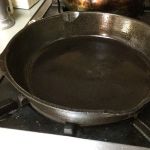 How to Refurbish a Cast Iron Skillet at Home: A Complete Guide
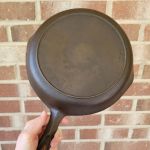 Best Products for Cast Iron Restoration Service: Top Tools and Products
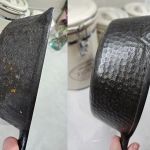 Simple At-Home Techniques for Cast Iron Restoration | Restore Your Cookware
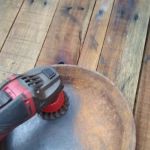 How to Restore Cast Iron at Home | A Complete Guide for Beginners
 How Long Does Cast Iron Skillet Refinishing Take? Realistic Timeline for Restoration
 What to Avoid When Attempting Cast Iron Refinishing: Common Mistakes to Watch Out For