
Heavy Cast Iron Cookware: Lift, Move, and Store It Safely
On this page
Quick answer
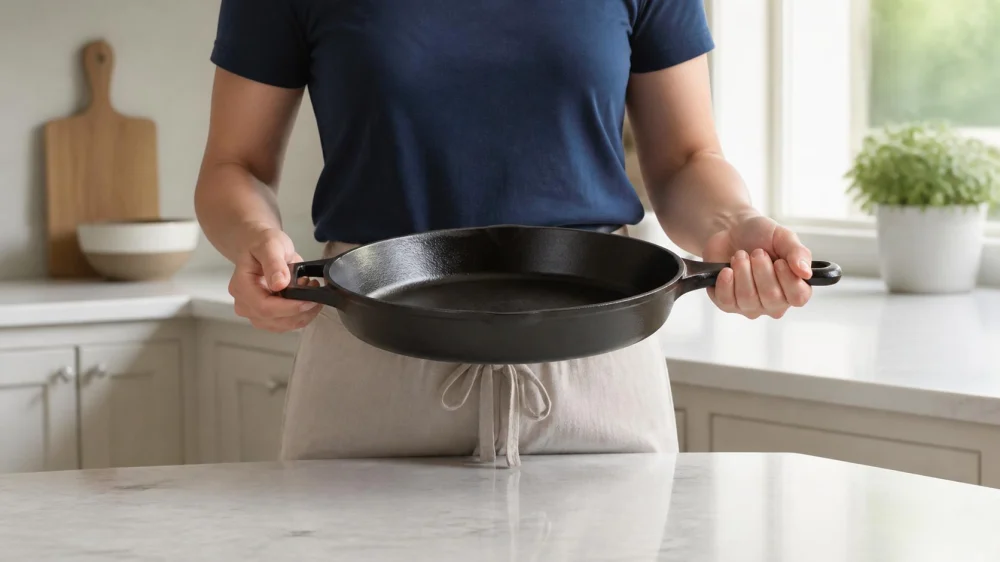
Heavy cast iron is easiest to manage when the pan is cool, empty, dry, and moved along a clear route. Use two secure grips when the design allows, keep the load close to your body, avoid twisting, and set it onto a stable heat-safe surface. Choose storage that does not require reaching overhead or lifting a stack beyond your safe ability.

Miracle Method Surface Refinishing / miracle tub refinishing
Santa RosaSonoma CountyCalifornia
3200 Dutton Ave Suite #325, Santa Rosa, CA 95407, USA
Why cast iron needs a handling plan
Cast iron concentrates substantial weight in a rigid pan, and long handles can increase leverage on the wrist. Hot oil, lids, helper handles, smooth cooktops, wet towels, crowded counters, and low or overhead storage add different risks. A safe plan separates hot-food handling from routine lifting and matches the cookware, surface, and person's strength and mobility.
This guide is for home cooks in the United States handling cast iron cookware. It does not replace medical, occupational, accessibility, cookware, range, shelving, or lifting guidance for an individual situation. Enameled pieces, Dutch ovens, griddles, antique handles, large lids, and loaded pans can require different grips and equipment.

Miracle Method of Tempe / miracle method of tempe
1635 W University Dr UNIT 126, Tempe, AZ 85281, USA
Prepare before lifting
- Confirm the cookware is cool enough to handle, empty when possible, dry on the outside, structurally sound, and free of loose lids or utensils.
- Check the main handle, helper handle, bail, lid knob, and any removable grips for cracks, looseness, grease, heat, or poor fit.
- Clear the full path between stove, counter, sink, table, and storage, including pets, children, rugs, cords, open doors, and spills.
- Choose a stable destination that can support the weight and temperature without scratching, tipping, burning, or blocking another task.
- Use dry heat protection rated for the temperature when the pan is warm; a damp towel can transmit heat rapidly.
- Know the loaded weight and whether another person, smaller pan, transfer container, cart, or lower storage position is safer.
- Confirm shelves, hooks, pullouts, racks, and cabinet floors are rated, secured, and arranged so heavy pieces cannot slide or fall.
Lift, move, and set down safely
- Stop cooking and stabilize the area before moving a hot or loaded pan; do not lift while reaching for another item.
- Stand close with balanced footing, align the pan with the destination, and avoid a route that requires twisting or stepping backward.
- Use the main and helper handles when designed for two-hand lifting, with dry secure protection and wrists in a comfortable neutral position.
- Keep the pan close and level, move slowly, and do not carry it over people, pets, an open drawer, or a fragile surface.
- Set the pan down fully before releasing either grip. Confirm the handle cannot be bumped and the surface remains stable.
- Let cookware cool and empty safely before washing or storage; never pour hot oil while struggling with the pan's weight.
- Store frequently used heavy pieces between knee and counter height when practical, with enough clearance for a controlled two-hand removal.
For a kitchen with several cast iron pieces, note approximate weights, handles, usual storage locations, shelf limits, and the safe destination for hot cookware. A simple placement plan is especially useful when household members have different reach, strength, balance, hand function, or heat tolerance.
Personal and equipment limits
Do not use a decorative hook, lightweight shelf, oven handle, or unstable appliance top as heavy-pan storage. Do not carry a hot loaded skillet with one hand merely because the handle is long. Pain, numbness, weakness, poor balance, recent injury, pregnancy, or mobility limitations can change what is safe; use assistance or lighter cookware when needed.
Stop using cookware with cracked iron, a loose handle, damaged enamel, or an unreliable bail or lid knob. Seek medical care for a burn, crush injury, severe pain, loss of movement, or a fall as appropriate. Ask a qualified installer or cabinet professional to assess storage hardware and structural support when the load rating or attachment is uncertain.
Frequently asked questions
Should I lift a skillet by the long handle only?
For heavier pieces, use the helper handle as designed when available and safe. The long handle alone increases leverage on the wrist.
Can I move a pan while it still contains hot oil?
Avoid it when possible. Stabilize the pan, let conditions become safer, and never pour hot oil while struggling with the cookware's weight.
Are silicone handle covers always safe for lifting?
No. Fit, temperature rating, slippage, and product design vary. Follow the cover and cookware instructions and test grip only when cool.
Is overhead storage suitable for cast iron?
It may create difficult lifting and drop risk. Lower stable storage is often more manageable, especially for frequent use.
Can I stack cast iron pans?
Only on a stable rated surface with protection against sliding and trapped moisture. Make sure each piece can be removed without lifting an unsafe stack.
Sources and evidence
Use the cookware maker's handle and care instructions, range and cooktop weight guidance, storage-hardware load ratings, kitchen safety principles, and individualized medical or occupational guidance when strength or mobility matters. The actual cookware weight and kitchen layout determine the safest method.
Conclusion and next steps
Cool and empty the cookware when possible, clear the route, plan a stable destination, and use secure two-hand support. Keep the load close and avoid twisting or overhead storage. If the pan, grip, shelf, or your physical ability makes the move uncertain, choose assistance, a smaller vessel, or a safer storage arrangement.





 American National Contracting INC4.0 (17 reviews)
 United Remodeling Services5.0 (181 reviews)
 White Oak Renovations5.0 (4 reviews)
 Home Remodeling llc5.0 (12 reviews)
 Chandler Construction Services LLC5.0 (11 reviews)
 GSD Bathroom and Kitchen Remodeling San Jose5.0 (53 reviews)
 How to Refurbish a Cast Iron Skillet at Home: A Complete Guide
 Best Products for Cast Iron Restoration Service: Top Tools and Products
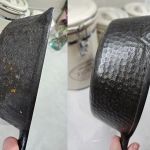 Simple At-Home Techniques for Cast Iron Restoration | Restore Your Cookware
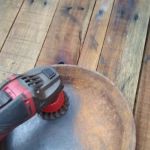 How to Restore Cast Iron at Home | A Complete Guide for Beginners
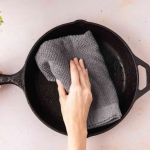 How Long Does Cast Iron Skillet Refinishing Take? Realistic Timeline for Restoration
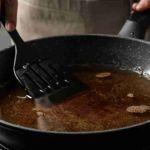 What to Avoid When Attempting Cast Iron Refinishing: Common Mistakes to Watch Out For