
Clean Cast Iron After Raw Meat: Prevent Cross-Contamination Without Fear
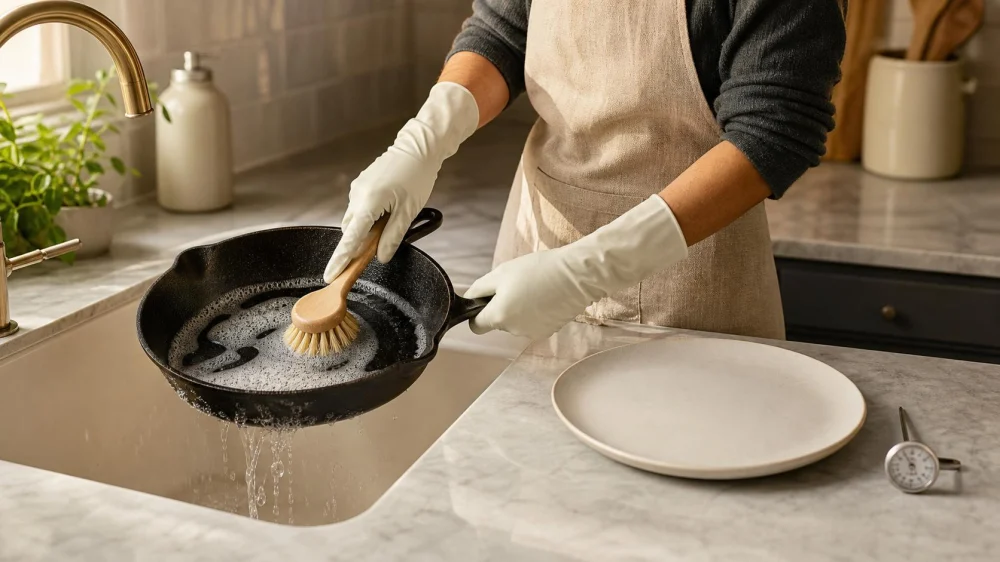
Quick answer: After raw meat, poultry, seafood, or eggs touch a cast-iron pan, wash it promptly with hot water, dish soap, and a suitable brush or non-damaging scrubber. Rinse, dry completely, warm briefly if needed to remove residual moisture, and apply only a very thin film of oil when the seasoning looks dry. Also wash hands, utensils, sink, faucet, and nearby surfaces that contacted raw juices.
1. Move Cooked Food to a Clean Plate
Do not put cooked food back on a plate or cutting board that held raw meat unless it has been washed. Use clean tongs or a clean spatula after the food reaches its safe internal temperature. Wash your hands with soap and warm water for at least 20 seconds after handling raw products.
Keep packaging and juices away from produce, bread, seasonings, and ready-to-eat food. Clean spills promptly rather than carrying a contaminated pan across the kitchen.

Miracle Method Surface Refinishing / miracle tub refinishing
Santa RosaSonoma CountyCalifornia
3200 Dutton Ave Suite #325, Santa Rosa, CA 95407, USA
2. Let Very Hot Iron Cool Enough for Safe Washing
Cast iron holds heat. Place the pan on a stable, heat-safe surface and keep the handle turned away from traffic. Do not plunge a smoking-hot pan into cool water; rapid temperature change can create steam, splatter, or thermal stress.
Do not let raw residue sit for hours. Begin cleaning once the pan is still warm but safe to handle with appropriate protection. Keep children and pets away from the sink and stove area.

Fort Worth Refinishing / fort worth bathtub refinishing
2627 S Cooper St Suite E12, Arlington, TX 76015, USA
3. Use Dish Soap and Hot Water
Modern, established seasoning can tolerate normal hand-washing with a modest amount of dish soap. USDA advises thoroughly washing surfaces that contact raw meat, poultry, fish, or eggs with hot, soapy water. Food safety matters more than preserving a fragile layer of leftover grease.
Wash the cooking surface, sidewalls, rim, pour spouts, handle, helper handle, and underside where juices may have dripped. Rinse away soap and loosened residue. Follow cookware-manufacturer instructions when available.
4. Lift Stuck Food Without Gouging the Pan
Use a dish brush, nylon scraper, or other cast-iron-safe tool. A short soak of warm water may loosen food, but do not leave the pan submerged for a long period. For stubborn residue, simmering a small amount of water briefly can help after raw food has been removed from the kitchen workflow.
Avoid power tools and aggressive grinding for routine cleaning. If seasoning is flaking, rust is extensive, or the pan has a crack, stop and evaluate restoration separately.
5. Clean the Sink, Faucet, Brush, and Counter
The pan is only one part of the contamination path. Wash the sink basin, faucet handle, soap dispenser, counter, utensils, thermometer stem, and other touched items as appropriate. Launder dishcloths on a hot cycle or use clean disposable towels.
Use a kitchen-surface sanitizer only when appropriate and exactly as its label directs, including dilution, contact time, ventilation, and rinsing. Never mix cleaning chemicals.
6. Remove Water Promptly and Completely
Dry the pan immediately with a clean towel. Then place it over low heat for a short time if needed to evaporate remaining moisture. Stay present, keep the handle protected, and turn the burner off once the pan is dry.
Check rims, spouts, handle junctions, and the underside. Water left in these areas can create flash rust. Let the pan cool before storage.
7. Apply Only a Whisper-Thin Film of Oil
If the surface appears dry, rub on a small amount of suitable cooking oil, then wipe as though trying to remove it. A visible wet or tacky layer is too much for storage and can become sticky or collect dust.
Routine cleaning does not require a full oven-seasoning cycle every time. Re-season only when the surface genuinely needs repair, following a safe, ventilated method and the manufacturer's guidance.
8. Check for Odor, Residue, Rust, and Damage
In good light, inspect the cooking surface and wipe it with a clean light-colored towel. The pan should not have food residue, pooled oil, active rust, or a rancid smell. Repeat washing if residue remains.
Do not cook in a cracked pan or one with severe structural damage. When uncertain about a vintage coating or past contamination, seek experienced restoration advice before food use.
9. Skip Fire, Dishwasher, and Chemical Shortcuts
Do not use a dishwasher, self-cleaning oven cycle, open fire, drain cleaner, or household disinfectant on food-contact cast iron as a routine shortcut. These methods can damage the pan, create fumes, or leave unsafe residues.
Do not assume that reheating a visibly dirty pan replaces washing. Physical soil and grease need to be removed, and the rest of the kitchen still requires cross-contamination control.
10. Keep a Clean-to-Dirty Workflow
Before cooking, set out separate utensils and plates for raw and cooked food, a food thermometer, soap, a brush, and clean towels. After cooking, refrigerate leftovers promptly, then move from dirty items to cleaned surfaces without touching ready-to-eat food.
The USDA's cleanliness guidance emphasizes hot, soapy washing for surfaces exposed to raw animal foods. That straightforward rule works with cast iron when followed by prompt, complete drying.



 General Contractor & Remodeling AlBarran4.0 (17 reviews)
 JB COUNTERTOPS, LLC5.0 (29 reviews)
 FBC Remodel4.0 (61 reviews)
 Juarez Painting5.0 (3 reviews)
 Blue Sky Plumbing Heating Cooling & Drain Cleaning5.0 (12 reviews)
 Miami Bathtub Refinishing5.0 (2 reviews)
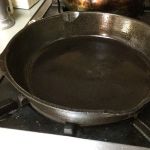 How to Refurbish a Cast Iron Skillet at Home: A Complete Guide
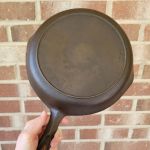 Best Products for Cast Iron Restoration Service: Top Tools and Products
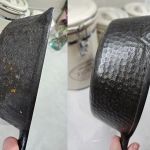 Simple At-Home Techniques for Cast Iron Restoration | Restore Your Cookware
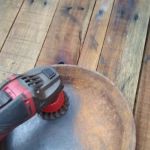 How to Restore Cast Iron at Home | A Complete Guide for Beginners
 How Long Does Cast Iron Skillet Refinishing Take? Realistic Timeline for Restoration
 What to Avoid When Attempting Cast Iron Refinishing: Common Mistakes to Watch Out For