
Cast Iron Went Through the Dishwasher: What to Do Next
Table of contents
- Quick answer
- Identify the cookware type first
- Let it cool and inspect
- Recover ordinary seasoned cast iron
- Reseason when the finish is stripped
- Handle enamel and special finishes differently
- Plan the first cook and storage
- Recovery checklist
- Limitations
- Frequently asked questions
- Evidence and sources
- Next steps
Quick answer
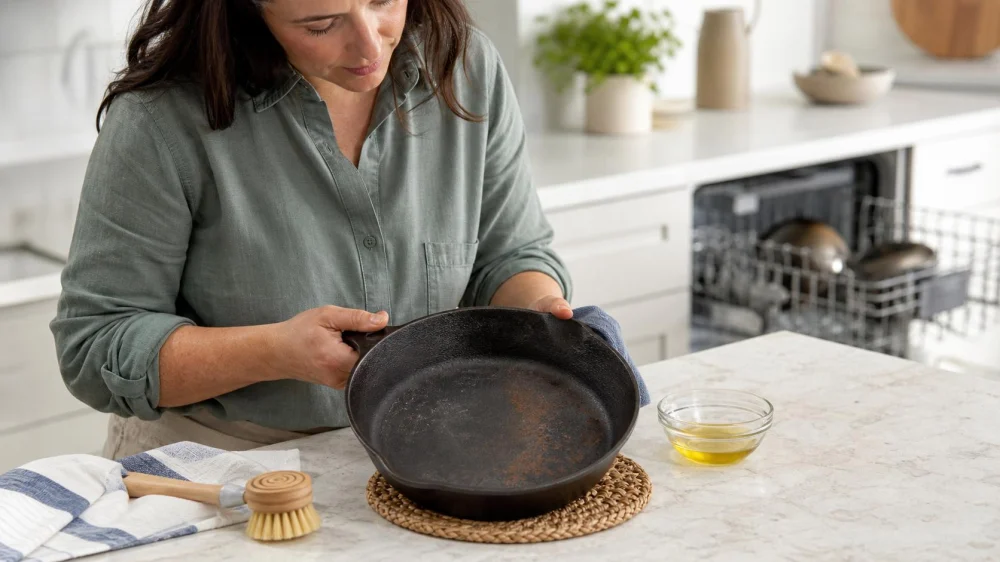
Remove the cast iron after the dishwasher finishes and let it cool. Identify whether it is ordinary seasoned iron, enameled iron, or a special heat-treated product. For bare seasoned iron, wash by hand, remove any rust, dry completely, apply a very thin oil layer, and reseason if the finish was stripped. For enamel, avoid metal scouring and inspect for chips. Follow the specific manufacturer's care instructions.
Chicago Odorless Bathtub Refinishing / eco tub restoration
3236 W Eastwood Ave, Chicago, IL 60625, USA
Identify the cookware type first
Recovery depends on the surface, not simply the weight or colour of the pan.
- Seasoned bare cast iron: dark iron inside and out with a baked oil finish, no glass-like coating.
- Enameled cast iron: smooth porcelain-like coating on most cooking and exterior surfaces, sometimes with an exposed rim.
- Heat-treated or specialty iron: a manufacturer-specific process that may have different dishwasher guidance.
- Unknown vintage piece: uncertain coating, repairs, cracks, or prior use that deserves careful identification.
Check the product page or maker's care guide. Some heat-treated serveware may be dishwasher-safe, while ordinary seasoned cast iron generally is not. Do not apply bare-iron restoration steps to enamel.

Miracle Method Surface Refinishing / miracle refinish tubs
Santa RosaSonoma CountyCalifornia
3200 Dutton Ave Suite #325, Santa Rosa, CA 95407, USA
Let it cool and inspect
Do not grab cookware directly from a hot drying cycle. Let it cool on a stable rack, then examine it in bright light.
- Look for orange or brown surface rust.
- Note dull gray areas where seasoning may be gone.
- Check for sticky detergent residue or trapped water at handles and rims.
- Inspect enamel for new chips, cracks, or lifting.
- Check vintage or repaired pieces for cracks and loose attachments.
Stop and contact the manufacturer or a cookware restoration professional when enamel is chipped on a cooking surface, a crack crosses the iron, a repair has changed, or the cookware has an unknown coating.
Recover ordinary seasoned cast iron
A dishwasher can strip seasoning and leave the iron vulnerable to rust. Lodge's official care guidance recommends hand washing its seasoned cast iron and explains that dishwasher exposure can remove seasoning and cause rust.
- Wash the cooled pan with warm, soapy water.
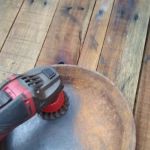
- For rust, scour the affected bare-iron area with steel wool, a metal scrubber, or the tool approved by the manufacturer.
- Rinse away loosened residue.
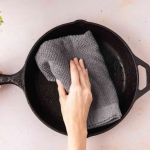
- Dry immediately with a lint-free cloth or paper towel.
- Use brief low stovetop heat only if the manufacturer allows it and you can supervise the pan continuously.
- Apply a very thin, even film of cooking oil inside and out, then wipe until the surface does not look wet.
Do not soak the pan, leave it to air-dry, use a self-cleaning oven cycle, or mix harsh chemicals. If rust remains in pits, around inaccessible hardware, or across a valuable vintage item, get professional guidance.
Reseason when the finish is stripped
Minor surface rust may be resolved by cleaning, complete drying, and a thin oil layer. Extensive rust removal or broad gray bare areas usually require full reseasoning.
Follow the cookware maker's temperature and timing. Lodge's current seasoned-cast-iron restoration method uses an extremely thin oil layer, places the cookware upside down, bakes it at 450–500°F for one hour, and lets it cool in the oven. This is a manufacturer-specific process for suitable bare cast iron, not a universal instruction for enamel, attached handles, unknown vintage coatings, or other brands.
Ventilate the kitchen, verify the cookware and all attached parts are oven-safe, keep excess oil from pooling, and remain home while the oven is operating. Too much oil can create a sticky finish.
Handle enamel and special finishes differently
Enameled cast iron does not need seasoning across the coated cooking surface. Use gentle dish soap, a non-abrasive sponge or brush, and prompt drying under the manufacturer's care instructions. Metal scouring can scratch enamel. If an exposed iron rim has light rust, ask the maker whether gentle cleaning and a tiny oil film around that rim are appropriate.
Lodge says its enameled cookware is technically dishwasher-safe but prefers hand washing to preserve the finish. By contrast, its ordinary seasoned cast iron should be hand washed. Lodge also describes certain heat-treated serveware as dishwasher-safe, although seasoning may need oil afterward. These differences are why product identification comes before restoration.
Plan the first cook and storage
Before cooking, confirm no rust powder, soap residue, sticky oil, or loose coating remains. Wipe the pan with a clean cloth. For a newly reseasoned bare pan, start with a straightforward recipe that uses some cooking fat and does not require a long acidic simmer.
After use, hand wash under the maker's instructions, dry completely, and apply the light maintenance oil film recommended for seasoned iron. Store in a dry cabinet with air circulation. If a lid is present, a clean dry separator can prevent trapped moisture.
Recovery checklist
- Let the cookware cool before handling.
- Identify seasoned, enameled, heat-treated, or unknown construction.
- Inspect rust, stripped finish, residue, chips, and cracks.
- Use bare-iron scouring only on suitable uncoated surfaces.
- Wash, rinse, and dry immediately and completely.
- Apply only a very thin oil film to seasoned bare iron.
- Reseason under the exact manufacturer process when needed.
- Retire and seek advice for cracks, loose repairs, or damaged cooking-surface enamel.
Limitations
This guide addresses ordinary accidental dishwasher exposure. Cookware coatings, alloys, handles, repairs, enamel, heat treatments, and oven limits vary. It does not establish food safety for unknown vintage cookware, remove lead or other contamination, evaluate structural cracks, or repair damaged enamel. Product-specific manufacturer instructions take priority.
Frequently asked questions
Is cast iron ruined after one dishwasher cycle?
Ordinary seasoned iron often loses seasoning and may rust, but surface damage can usually be restored if the pan is not cracked or otherwise structurally damaged.
Can I just oil the rust?
Remove loose rust first, then wash, dry, and oil. Oil over active rust does not create a clean, stable cooking surface.
Should I use steel wool on enameled cast iron?
No. Metal scouring can damage enamel. Use the enamel manufacturer's gentle cleaning method and ask for guidance about chips or exposed rims.
Why did the pan turn gray?
The dishwasher may have removed much of the black seasoning and exposed bare iron. Clean, dry, oil, and reseason suitable bare cast iron according to its maker.
Can I put it back in the dishwasher after reseasoning?
Not if it is ordinary seasoned cast iron whose manufacturer requires hand washing. Reserve the dishwasher for a specifically identified product that allows it.
Evidence and sources
- Lodge Cast Iron: How to Clean — hand washing, drying, oiling, rust removal, and dishwasher guidance for seasoned cast iron.
- Lodge Cast Iron: Restore and Season Rusty Cast Iron — manufacturer reseasoning steps.
- Lodge Cast Iron: Enameled Cast Iron Care — separate care for enameled surfaces and exposed rims.
Next steps
Photograph the pan, identify its product type, and open the maker's care page before scrubbing. For ordinary seasoned iron, remove rust, wash, dry, oil thinly, and reseason when needed. Save the verified instructions with the cookware so the next person knows whether it belongs in the dishwasher.



 Castle Refinishing0.0 (0 reviews)
 Style It Home, LLC5.0 (4 reviews)
 Five Star Bath Solutions4.0 (15 reviews)
 A+ Bathtub & Tile Refinishing Houston4.0 (160 reviews)
 Bath Crest Home Solutions4.0 (57 reviews)
 Five Star Bath Solutions of North Jersey4.0 (21 reviews)
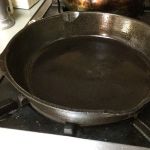 How to Refurbish a Cast Iron Skillet at Home: A Complete Guide
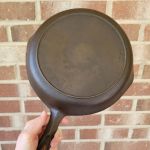 Best Products for Cast Iron Restoration Service: Top Tools and Products
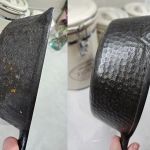 Simple At-Home Techniques for Cast Iron Restoration | Restore Your Cookware
 How to Restore Cast Iron at Home | A Complete Guide for Beginners
 How Long Does Cast Iron Skillet Refinishing Take? Realistic Timeline for Restoration
 What to Avoid When Attempting Cast Iron Refinishing: Common Mistakes to Watch Out For