
Cast Iron Seasoning Turned Dull After High Heat: Next Steps
Table of contents
Quick answer
Turn the burner off and let the cast iron cool naturally on a heat-safe surface. Do not add water to a very hot pan. Once cool, inspect for residue, bare gray patches, rust, cracks, or movement on a flat surface. Wash and dry the pan, then apply an extremely thin oil film. If broad areas of seasoning burned away, follow the cookware maker's full reseasoning process.
Miracle Method of Tempe / miracle method of tempe
1635 W University Dr UNIT 126, Tempe, AZ 85281, USA
Cool the pan before touching it
Cast iron holds heat long after the burner is off. Treat the handle, helper handle, lid, and surrounding trivet as hot. Keep people and pets away and do not carry the pan through the kitchen while it is smoking or extremely hot.
If there is an active cooking fire, follow your fire-safety plan and call emergency services as needed. Do not use this restoration guide during an emergency. For an overheated but non-burning pan, shut off the heat if safe, leave it stable, ventilate without spreading smoke through the home, and allow gradual cooling.
Do not pour water into or onto a hot pan, place it on a cold wet surface, or move it into a refrigerator or freezer. Sudden temperature change can stress cookware and create steam or burn hazards.

Surface Specialists of South Central MN / surface specialists mn
MankatoBlue Earth CountyMinnesota
436 Lyd Blvd, Mankato, MN 56001, USA
Why seasoning can look dull
Seasoning is a thin layer of oil bonded to the iron through heat. High heat can degrade or burn part of that layer, especially when a pan sits empty or has very little cooking fat. The surface may look gray, dry, patchy, or less glossy.
Lodge's official troubleshooting guide notes that cast iron can appear dull after it is heated without oil or without enough oil in the pan and recommends reseasoning. Appearance alone does not tell you whether the iron is damaged; inspect only after the cookware is fully cool.
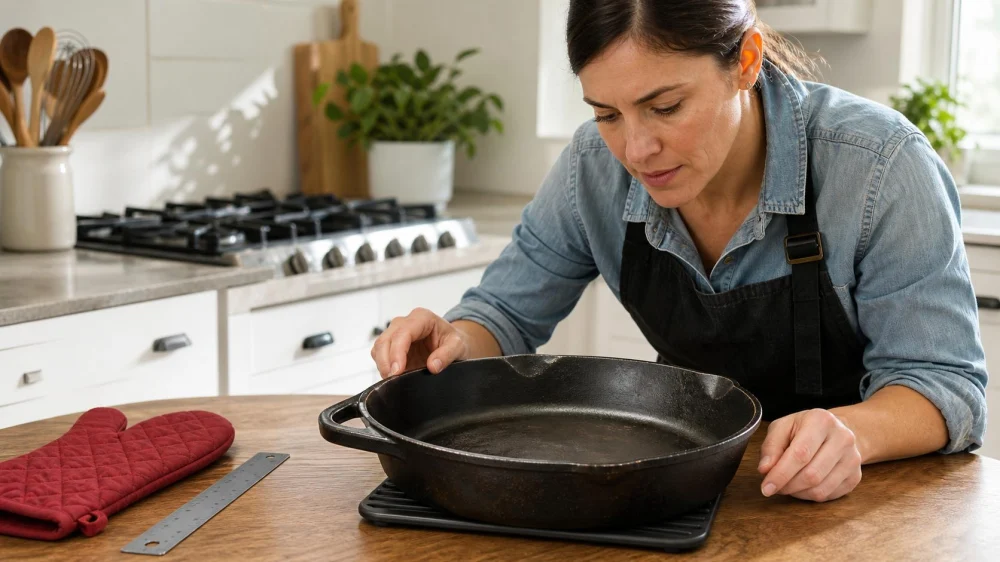
Inspect the cooled surface
- Use bright side lighting to find broad gray areas, flakes, sticky residue, or orange rust.
- Wipe with a dry white or light cloth and note loose black or brown material.
- Inspect the rim, handle junction, pour spouts, and underside.
- Place the cooled pan on a known flat, stable surface and note any new rocking without pressing it flat.
- Look carefully for a crack or an existing repair that has changed.
Stop using the pan and seek professional or manufacturer guidance for cracks, loose repairs, severe distortion, unknown coatings, or an enameled surface that is chipped or crazed. Do not grind, weld, or heat-test it at home.
Clean and dry without overcorrecting
For ordinary seasoned bare cast iron, wash the cooled pan with warm water, a small amount of dish soap, and a stiff brush or non-scratch pad. Rinse and dry immediately and completely. A brief period over low heat may help remove remaining moisture only when the manufacturer allows it and the pan is continuously supervised.
Do not automatically strip the entire pan because it looks dull. If the surface is clean, stable, rust-free, and mostly seasoned, routine oiling and cooking may be sufficient. Use steel wool or a metal scrubber for actual rust removal under the maker's guidance, not for ordinary dullness.
Enameled cast iron follows a different process. Do not scour enamel or season the coated cooking surface.
Choose light oiling or full reseasoning
After complete drying, apply a tiny amount of manufacturer-approved cooking oil to bare seasoned iron and wipe it across the inside and outside. Then wipe again until the pan looks nearly dry. Excess oil can turn sticky instead of forming an even layer.
If large gray areas remain, rust removal exposed bare metal, or seasoning flakes away, use the manufacturer's oven-reseasoning process. Lodge's current process for its suitable seasoned cast iron uses a very thin coat of oil, places the cookware upside down, heats it at 450–500°F for one hour, and lets it cool in the oven. Verify that the pan and every attached part support the method before following it.
Ventilate, keep the oven attended, and do not apply that temperature guidance to enamel, wooden handles, unknown vintage coatings, or another maker without confirmation.
Plan the next few cooks
Begin with moderate heat and a recipe that uses some cooking fat. Preheat gradually instead of leaving the empty pan on maximum heat. Avoid a long acidic simmer until the seasoning is stable, and use utensils appropriate for the surface.
After cooking, hand wash, dry completely, and add the maker's recommended thin maintenance oil. The finish may become more even through normal use; it does not need a mirror gloss to work.
If food suddenly sticks badly, rust returns, residue keeps wiping off, or the pan rocks or makes a new sound as it heats, stop and have the cookware evaluated.
Recovery checklist
- Shut off heat and let the pan cool naturally.
- Keep water away from very hot cast iron.
- Inspect dull areas, residue, rust, cracks, and stability when cool.
- Wash ordinary seasoned iron gently and dry completely.
- Use abrasive rust removal only where rust exists.
- Apply a barely visible oil film.
- Reseason under the exact maker's process when broad seasoning is gone.
- Retire the pan for professional review if structural damage is suspected.
Limitations
This guide covers ordinary seasoned bare cast iron with surface seasoning damage. It does not evaluate fire exposure, structural cracks, warping, repaired cookware, unknown vintage contamination, enamel damage, or specialty coatings. High-heat events can affect attached handles and surrounding appliances. Manufacturer guidance and professional inspection take priority.
Frequently asked questions
Is dull cast iron ruined?
Not necessarily. Dullness often indicates that seasoning has thinned or burned away. Clean, dry, oil, and reseason suitable bare iron as the manufacturer directs.
Can I cool an overheated pan with water?
No. Let it cool gradually. Water on very hot cookware can create steam and abrupt temperature stress.
Should I strip all the seasoning?
Not for dullness alone. Preserve stable seasoning, clean the pan, and use full restoration only when rust, flaking, contamination, or extensive bare metal makes it necessary.
Why is the pan sticky after oiling?
Too much oil or insufficient curing can leave a gummy layer. Wipe off excess and follow the maker's reseasoning process with a very thin coat.
Does the same advice apply to enameled cast iron?
No. Enamel is a glass-like coating and should not be scoured or seasoned like bare iron. Follow the enamel manufacturer's inspection and cleaning guidance.
Evidence and sources
- Lodge Cast Iron: Troubleshooting Common Cast Iron Concerns — dull seasoning, rust, oiling, and reseasoning guidance.
- Lodge Cast Iron: Restore and Season Rusty Cast Iron — manufacturer oven-seasoning method.
Next steps
Wait until the pan is completely cool, photograph the surface, and compare it with the maker's care guide. Clean and dry it, use the thinnest possible oil film, and reseason only if broad bare areas remain. Change the cooking routine to gradual preheating and never leave an empty pan unattended.


 Castle Refinishing0.0 (0 reviews)
 Style It Home, LLC5.0 (4 reviews)
 Five Star Bath Solutions4.0 (15 reviews)
 A+ Bathtub & Tile Refinishing Houston4.0 (160 reviews)
 Bath Crest Home Solutions4.0 (57 reviews)
 Five Star Bath Solutions of North Jersey4.0 (21 reviews)
 How to Refurbish a Cast Iron Skillet at Home: A Complete Guide
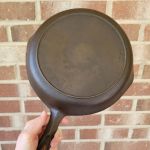 Best Products for Cast Iron Restoration Service: Top Tools and Products
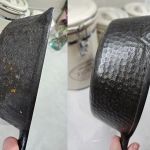 Simple At-Home Techniques for Cast Iron Restoration | Restore Your Cookware
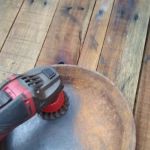 How to Restore Cast Iron at Home | A Complete Guide for Beginners
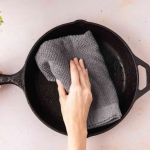 How Long Does Cast Iron Skillet Refinishing Take? Realistic Timeline for Restoration
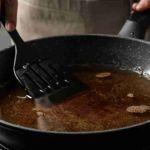 What to Avoid When Attempting Cast Iron Refinishing: Common Mistakes to Watch Out For