
Cast Iron Seasoning Mistakes That Cause Sticky Pans
On this page
Quick answer
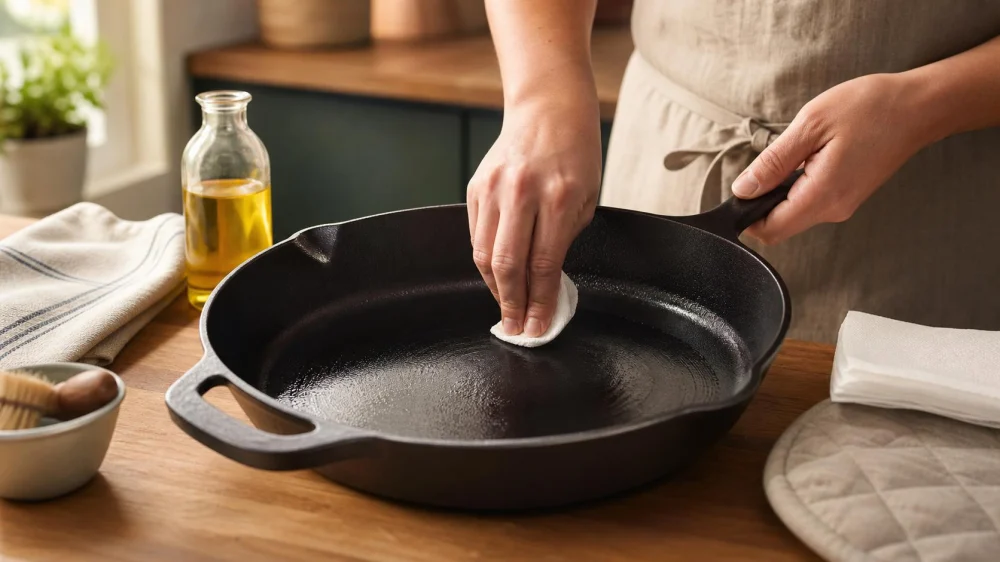
Sticky cast iron usually comes from too much oil, not enough heat, too little baking time, or storing the pan before the oil has polymerized into a hard seasoning layer. The fix is often simple: wipe the pan nearly dry, heat it long enough, and build several thin layers instead of one heavy coat.
Chicago Odorless Bathtub Refinishing / eco tub restoration
3236 W Eastwood Ave, Chicago, IL 60625, USA
What seasoning is
Cast iron seasoning is a thin, hardened layer of oil bonded to the iron surface through heat. Good seasoning feels dry, smooth, and slightly satin, not wet or tacky.
Seasoning improves release, slows rust, and makes cleaning easier, but it is not a thick coating you paint onto the pan. The best layers are thin enough that the pan almost looks like you wiped all the oil away before heating.

Miracle Method Surface Refinishing / miracle tub refinishing
Santa RosaSonoma CountyCalifornia
3200 Dutton Ave Suite #325, Santa Rosa, CA 95407, USA
Mistakes that make cast iron sticky
- Using too much oil. Pooled oil bakes into gummy patches instead of a hard, even layer.
- Skipping the final wipe. After oiling, wipe again with a clean towel until the surface looks nearly dry.
- Heating too gently. Low heat may warm oil without fully setting it into a durable layer.
- Stopping too soon. A pan that still feels oily or tacky after cooling may need more time in the heat cycle.
- Seasoning over moisture. Water trapped on the surface can encourage rust or uneven bonding.
- Adding layers over residue. Food film and old grease can become sticky under fresh oil.
- Storing with a closed lid. Poor airflow can trap moisture and odors, especially if the pan was not fully dry.
How to fix sticky seasoning
If the surface is only mildly tacky, wash the pan, dry it thoroughly, wipe it with a very thin oil layer, and heat it again until the surface feels dry after cooling. For thick gummy patches, you may need to scrub the sticky area back, then rebuild seasoning in thinner coats.
Do not keep adding more oil to a sticky pan. That usually makes the problem worse. Think of seasoning as repeated thin bonding, not a single heavy application.
Best for and not ideal for
This guide is best for home cooks restoring a skillet, Dutch oven, griddle, or inherited cast iron that feels tacky after seasoning.
It is not ideal for badly rusted pans, cracked cookware, collectible-value decisions, or pans with unknown chemical exposure. Those cases may need a restoration specialist.
Seasoning checklist
- Start clean. Remove food film, rust dust, and loose old seasoning before adding oil.
- Dry completely. Warm the pan briefly if needed so no moisture remains.
- Apply a tiny amount of oil. A few drops can cover more surface than beginners expect.
- Wipe like you made a mistake. The surface should not look wet.
- Heat thoroughly. Follow a safe oven or stovetop method that gives the oil time to harden.
- Cool and check. A good layer should feel dry, not sticky.
- Repeat thin layers. Several light coats are better than one heavy coat.
Important notes
- Use ventilation when heating oil, and never leave cookware unattended on a hot burner.
- Different oils smoke and polymerize differently; follow a method suited to your oil and appliance.
- Paper towels can leave lint on rough vintage surfaces; a lint-free cloth may work better.
- Fresh seasoning improves with cooking and maintenance, so do not expect a perfect showroom finish immediately.
FAQ
Why is my cast iron sticky after seasoning?
The most common reason is excess oil. If the oil layer is too thick, it can turn gummy instead of forming a hard seasoning layer.
Can I cook on sticky cast iron?
It is better to fix the sticky surface first. Food may stick, flavors can be unpleasant, and the tacky layer may not protect the pan well.
How many seasoning layers does cast iron need?
There is no universal number. A restored pan often benefits from several thin layers, then regular cooking with proper cleaning and drying.
Should seasoned cast iron look shiny?
It may have a soft satin sheen, but it should not look wet or greasy. A shiny, tacky surface usually means too much oil remains.
Evidence notes
This guidance follows common cast iron maintenance principles: clean iron, dry thoroughly, apply minimal oil, heat sufficiently, and repeat thin layers. Exact methods vary by oil choice, appliance, and pan condition.
Next steps
If your pan feels sticky, stop adding oil. Clean the surface, wipe on the thinnest possible coat, heat it until the layer sets, and repeat only after the pan cools dry. If gummy buildup keeps returning, consider a deeper restoration before reseasoning again.



 Maryland Countertop Solutions, LLC5.0 (6 reviews)
 Surface Raiders, LLC5.0 (7 reviews)
 Estkowski Builders5.0 (5 reviews)
 Bath Creations4.0 (71 reviews)
 Surface Designers Refinishing4.0 (42 reviews)
 Advanced Reglazing4.0 (39 reviews)
 How to Refurbish a Cast Iron Skillet at Home: A Complete Guide
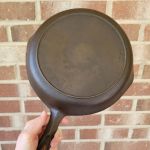 Best Products for Cast Iron Restoration Service: Top Tools and Products
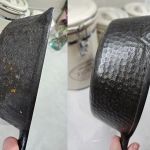 Simple At-Home Techniques for Cast Iron Restoration | Restore Your Cookware
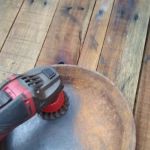 How to Restore Cast Iron at Home | A Complete Guide for Beginners
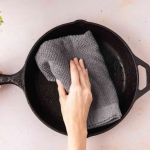 How Long Does Cast Iron Skillet Refinishing Take? Realistic Timeline for Restoration
 What to Avoid When Attempting Cast Iron Refinishing: Common Mistakes to Watch Out For