
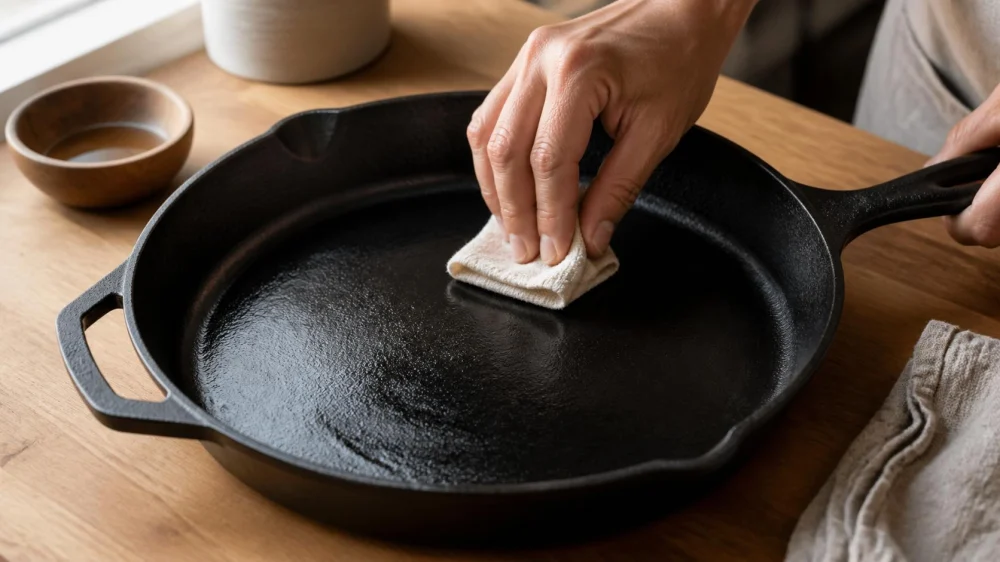
Cast Iron Seasoning Feels Sticky: Fix the Oil Layer
On this page
Quick answer
Sticky cast iron seasoning usually means too much oil remained on the surface or the coating did not fully set during heating. Let the pan cool, wash away loose or tacky residue, dry it completely, and apply an extremely thin food-safe oil layer before reheating according to the cookware and oil guidance. Do not cook on a gummy, foul-smelling, flaking, or contaminated surface.
This guide is for home cooks in the United States working with bare cast iron cookware. It does not apply to enameled cast iron, unknown decorative coatings, cracked cookware, fire-damaged pieces, or antiques that have not been evaluated for cooking use.

Chicago Odorless Bathtub Refinishing / eco tub restoration
3236 W Eastwood Ave, Chicago, IL 60625, USA
Why cast iron seasoning feels sticky
Cast iron seasoning is a thin, bonded layer created when a suitable cooking oil is spread over bare iron and heated. The useful coating is not a puddle of grease. It should feel dry rather than oily or gummy once the pan is cool.
Common reasons for stickiness include:
- Too much oil. A visible film, droplets, or pooling can leave soft patches instead of a thin, even layer.
- Uneven wiping. Oil can collect around lettering, handles, sidewalls, pour spouts, or rough texture even when the cooking surface looks thin.
- Insufficient or uneven heat. Time, temperature, oven accuracy, pan position, and oil choice affect how the layer sets.
- Several coats applied too quickly. A new layer placed over a tacky one can make the unevenness worse.
- Cooking residue. Sugars, sauces, food oils, and incompletely cleaned deposits can feel sticky but are not the same as a seasoning layer.
- Storage oil. A pan left with a visible protective oil film may simply feel greasy rather than having failed seasoning.
Sticky seasoning is a process clue, not proof that the entire pan must be stripped to bare metal. Start with the least aggressive cleaning that removes the unwanted residue, then reassess the surface.

America Refinishing Pros / america refinishing pros
9510 SW 137th Ave, Miami, FL 33186, USA
Identify what is on the pan
Let the cookware cool fully and place it in bright light. Check the cooking surface, sidewalls, underside, handle, helper handle, and any recessed marks.
- Clear or amber tackiness after seasoning often supports an overly thick or incompletely set oil layer.
- Localized sticky food patches may follow cooking with sugary, starchy, or sauced foods and point to incomplete cleaning.
- Loose black flakes suggest unstable buildup or burned residue that should not be left to mix with food.
- Orange or reddish areas may be rust rather than sticky seasoning and need a rust-specific response.
- A sharp, rancid, chemical, or unknown odor is a reason to stop and clean or seek restoration advice before cooking.
- A crack, deep pit, severe warp, or moving handle is a cookware-safety concern, not a seasoning problem.
If the pan came from an unknown source, do not assume every coating is food-safe seasoning. Paint, stove polish, industrial oil, and restoration chemicals can resemble a dark finish. Ask the seller or a qualified restorer about provenance and testing before using an uncertain piece for food.
A practical recovery process
- Work with a cool pan. Use a stable sink or work surface. Cast iron is heavy, and a slippery handle increases drop and injury risk.
- Wash the sticky area. Use warm water, ordinary dish soap, and a non-damaging brush or scrubber suitable for the cookware. Modern dish soap can help remove excess surface oil. Avoid mixing household chemicals.
- Rinse and inspect. Remove visible soap and loosened residue. If gummy deposits remain, repeat gentle cleaning rather than immediately adding more oil.
- Dry promptly and completely. Towel-dry, then use controlled warmth if needed, following safe cooktop or oven practice. Stay with the pan and use dry protection for hot handles.
- Stop if the surface is unstable. Loose flakes, an unknown coating, extensive rust, cracks, or persistent odor deserve a deeper restoration decision before reseasoning.
- Apply a tiny amount of food-safe seasoning oil. Spread it over the intended bare-iron surfaces, then wipe again with a clean lint-free cloth as if trying to remove it. The surface should not look wet.
- Heat using suitable guidance. Follow the cookware maker’s instructions when available and consider the oil’s characteristics. Provide ventilation, keep combustibles away, and never leave heating cookware unattended.
- Cool safely and check. Let the pan cool in a safe location. A successful layer should feel dry. If it is still tacky, do not stack on another coat; clean and correct the thinness or heating process first.
Oven methods often position cookware to reduce pooling, but heavy pans must be stable and spaced safely. Protect the oven from drips without blocking heat or creating a fire hazard. If the cookware has wood, silicone, removable, repaired, or unknown components, confirm oven safety before heating it.
How to avoid another sticky layer
Use less oil than looks necessary. The most common practical correction is to wipe much more thoroughly. Oil hiding in texture and corners can emerge as the pan heats.
Finish one dry layer before adding another. Multiple coats are optional, not a race. Cooking and routine care can build a surface gradually when the pan is otherwise sound.
Match the process to the oil and cookware. Different fats behave differently, and manufacturer methods vary. Avoid assuming that one online temperature and time is correct for every oil, oven, pan, and accessory.
Verify oven temperature if failures repeat. An oven that runs cooler or hotter than its setting can affect results. Use an appropriate oven thermometer or arrange appliance service if temperature control is unreliable.
Clean after cooking. Remove food residue, dry the pan, and leave only a minimal protective film if your care method calls for one. A pan should not be stored with pooled oil, wet paper towels, or a sealed damp lid.
Label cloths and oils sensibly. Keep food-contact supplies separate from workshop rags, furniture oils, mineral products not labeled for food contact, and cleaning chemicals.
When to stop and consider restoration
A simple sticky layer is often a maintenance problem. Professional restoration or a more complete process may be appropriate when the coating remains gummy after repeated washing, thick layers chip across the pan, rust is widespread, the surface has unknown chemicals, or access to outdoor ventilation and safe heating is limited.
Retire the cookware from food use pending evaluation if it is cracked, structurally damaged, repaired with an unknown material, or has contamination that cannot be identified and removed confidently. Heating does not make every chemical residue safe.
For vintage cookware, preserve markings and document the pan before aggressive cleaning. Collectors may value original features, and destructive power tools can permanently change the surface. A restoration specialist can help balance cooking use, safety, and collectible condition.
Evidence and limitations
This guide follows common cast iron care practice: seasoning works best as a very thin food-safe oil film exposed to controlled heat, while loose grease and food residue should be cleaned away. Exact heating instructions depend on the cookware, oil, appliance, and manufacturer guidance.
Appearance and touch cannot identify an unknown coating or certify vintage cookware as food-safe. This article does not replace product instructions, an appliance manual, fire-safety guidance, or testing and professional evaluation when the pan’s history is uncertain.
Frequently asked questions
Can I cook on cast iron that feels slightly sticky?
It is better to clean and correct the surface first. Heat and food can spread gummy residue, create smoke, and make the coating harder to evaluate. A seasoned pan should feel dry when cool.
Do I have to strip the entire pan?
Not always. If the underlying coating is stable and the problem is a thin layer of excess oil or food residue, washing and a careful thin reseasoning may be enough. Widespread flaking or unknown coatings require a larger decision.
Will dish soap ruin cast iron seasoning?
Ordinary modern dish soap used for routine cleaning does not automatically remove a well-bonded seasoning layer. Avoid prolonged soaking, harsh chemical mixtures, and storage while wet. Dry promptly.
Why is the pan sticky only around the handle?
Oil can collect in corners, recessed marks, and handle transitions where wiping is less thorough. Inspect and wipe the entire pan, including the underside and handle, before heating.
Can I heat the pan longer to fix stickiness?
More heat is not always the answer. A thick oil layer can smoke, darken unevenly, or remain gummy. Let the pan cool, remove excess residue, apply a much thinner layer, and use appropriate controlled heating.
Which oil is best for cast iron seasoning?
Choose a food-safe oil suitable for the method and follow cookware guidance. Availability, odor, smoke behavior, allergies, storage, and appliance limits matter. Technique and film thinness are as important as the specific oil.
Next steps
Let the pan cool, inspect the entire surface, and wash away tacky oil or food residue. Dry it fully, apply only a trace of suitable food-safe oil, wipe until the surface no longer looks wet, and heat with ventilation using appropriate cookware and oil guidance. Stop before cooking if the finish still feels gummy, smells wrong, flakes, or has an unknown history.



 The Shower Company4.0 (18 reviews)
 Superior Resurfacing4.0 (7 reviews)
 Miracle Method Surface Refinishing4.0 (46 reviews)
 Dramatix Decor5.0 (17 reviews)
 DB Bathroom Remodeling Contractors5.0 (48 reviews)
 Olive Tree Construction5.0 (3 reviews)
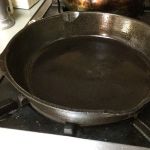 How to Refurbish a Cast Iron Skillet at Home: A Complete Guide
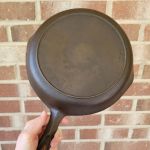 Best Products for Cast Iron Restoration Service: Top Tools and Products
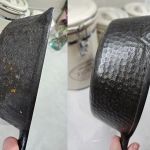 Simple At-Home Techniques for Cast Iron Restoration | Restore Your Cookware
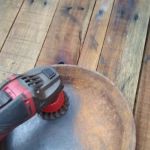 How to Restore Cast Iron at Home | A Complete Guide for Beginners
 How Long Does Cast Iron Skillet Refinishing Take? Realistic Timeline for Restoration
 What to Avoid When Attempting Cast Iron Refinishing: Common Mistakes to Watch Out For