
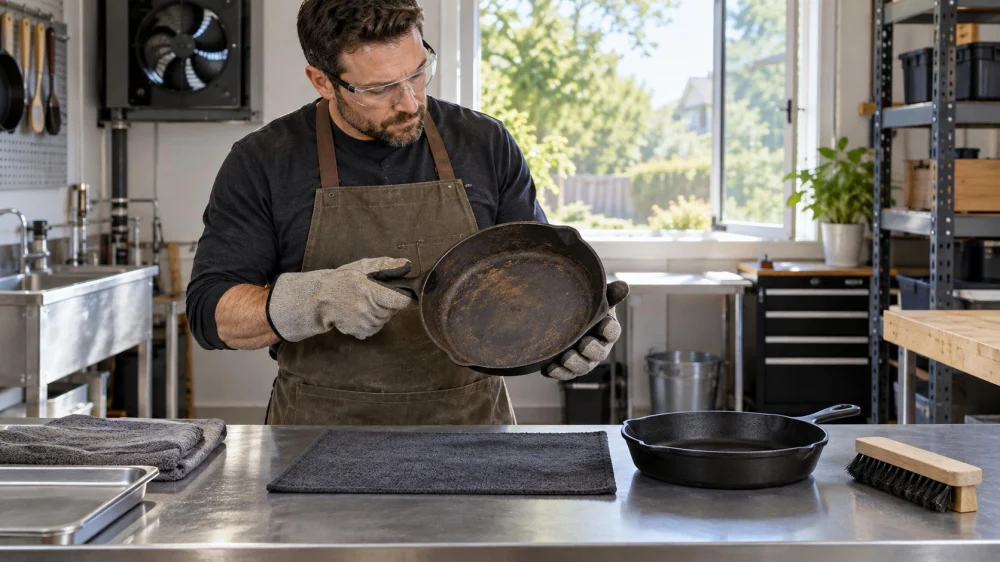
Cast Iron Restoration Workspace: Heat, Dust, and Cleanup
On this page
Quick answer
Before restoring cast iron, identify the residue and coating, choose only a method appropriate for food-contact cookware, and set up stable support, ventilation, heat protection, eye and hand protection, and controlled cleanup. Keep dust and chemicals away from food areas, never mix cleaners, and stop when the item's history, coating, structural condition, or safe process is uncertain.
Miracle Method of Tempe / miracle method of tempe
1635 W University Dr UNIT 126, Tempe, AZ 85281, USA
Separate restoration from ordinary washing
Cast iron restoration is the controlled removal of rust, failed seasoning, residue, or an unsuitable surface before drying and rebuilding a protective finish. It is not automatically appropriate for enameled, plated, cracked, badly pitted, decorative, or historically valuable iron.
This guide is for US home cooks planning simple restoration of identifiable bare cast iron. Product labels, cookware-maker instructions, local disposal rules, fire safety, and qualified professional advice take priority over general online methods.
Chicago Odorless Bathtub Refinishing / eco tub restoration
3236 W Eastwood Ave, Chicago, IL 60625, USA
Practical checklist
- Confirm whether the surface is bare iron, enamel, plating, paint, or an unknown coating.
- Photograph maker marks, cracks, deep pits, sharp edges, and the original condition.
- Choose a stable, nonfood work surface with ventilation and controlled access.
- Read every cleaner, oil, abrasive, and tool instruction before setup.
- Prepare heat-resistant gloves, eye protection, clothing, lighting, and fire-safe clearances.
- Separate clean tools from rust, residue, chemicals, used rags, and food equipment.
- Plan wash water, solid waste, oily rag, and chemical disposal under local rules.
Step-by-step plan
- Remove food, children, pets, ignition sources, and unrelated objects from the work zone.
- Test the gentlest appropriate cleaning method on a small area and change one variable at a time.
- Keep powered abrasion, electrolysis, strong chemicals, and high heat outside a casual beginner workflow.
- Rinse or neutralize only as the product or method specifically directs; never improvise chemical combinations.
- Dry promptly with a safe method, inspect again, and apply only a thin food-appropriate seasoning oil when the item is suitable.
- Clean the work area, launder or discard contaminated materials correctly, and store the pan completely dry.
Keep the product labels, method, dates, photographs, and any professional findings. If the item may be collectible, contaminated, or coated with an unknown material, preserve the condition and seek specialist advice before removing evidence.
Limits and important notes
Do not grind an unknown coating, heat a pan unattended, use an indoor fuel burner, mix chemicals, or season over active rust, residue, cracks, or loose material. Oily rags and high heat can create fire hazards; follow product and fire-safety instructions.
Stop for strong fumes, dizziness, fire, uncontrolled heat, damaged wiring, chemical contact, or a visibly cracked or unstable pan. Use emergency services or poison control when appropriate, and consult a qualified cookware-restoration or materials professional for unknown surfaces or suspected contamination.
Frequently asked questions
Can I restore enameled cast iron like bare iron?
No. Enamel is a glass-like coating with different limits. Follow the manufacturer and stop using cookware with unsafe cooking-surface damage.
Is more oil better for seasoning?
No. Excess oil can create a sticky, uneven layer. Use a very thin coating under appropriate instructions.
Can rust dust be cleaned in the kitchen?
Keep restoration debris away from food and clean the area deliberately. Do not create airborne dust in a food-preparation space.
Should I use a power tool?
Not without knowing the material, risks, and effect on the cookware. Aggressive removal can damage surfaces and spread dust.
When is professional help worthwhile?
Choose it for valuable pieces, unknown coatings, severe corrosion, cracks, contamination concerns, or methods beyond your equipment and training.
Sources and evidence
Evidence note: this guide uses broad cookware-care, chemical-label, ventilation, fire-prevention, and food-contact hygiene principles. The specific material, product instructions, process, and intended use determine what is safe.
Conclusion and next steps
Identify the surface, document condition, choose the least aggressive suitable method, and prepare the workspace before touching the pan. Keep heat, dust, chemicals, food, and waste controlled, then stop and seek expert evaluation when the material or safe endpoint is unclear.



 A&E Bathtub Refinishing Inc.4.0 (29 reviews)
 Revitalize Refinishing, LLC4.0 (6 reviews)
 DG Construction And Renovations5.0 (5 reviews)
 TrueSpace Bath & Basement Finishing5.0 (42 reviews)
 VVL Bathroom Remodeling Contractors5.0 (27 reviews)
 Stone Renovations and Trim Company5.0 (18 reviews)
 How to Refurbish a Cast Iron Skillet at Home: A Complete Guide
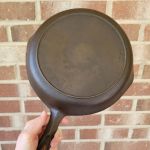 Best Products for Cast Iron Restoration Service: Top Tools and Products
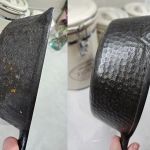 Simple At-Home Techniques for Cast Iron Restoration | Restore Your Cookware
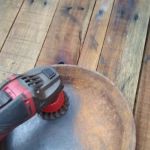 How to Restore Cast Iron at Home | A Complete Guide for Beginners
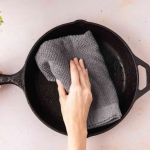 How Long Does Cast Iron Skillet Refinishing Take? Realistic Timeline for Restoration
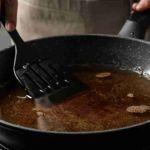 What to Avoid When Attempting Cast Iron Refinishing: Common Mistakes to Watch Out For