
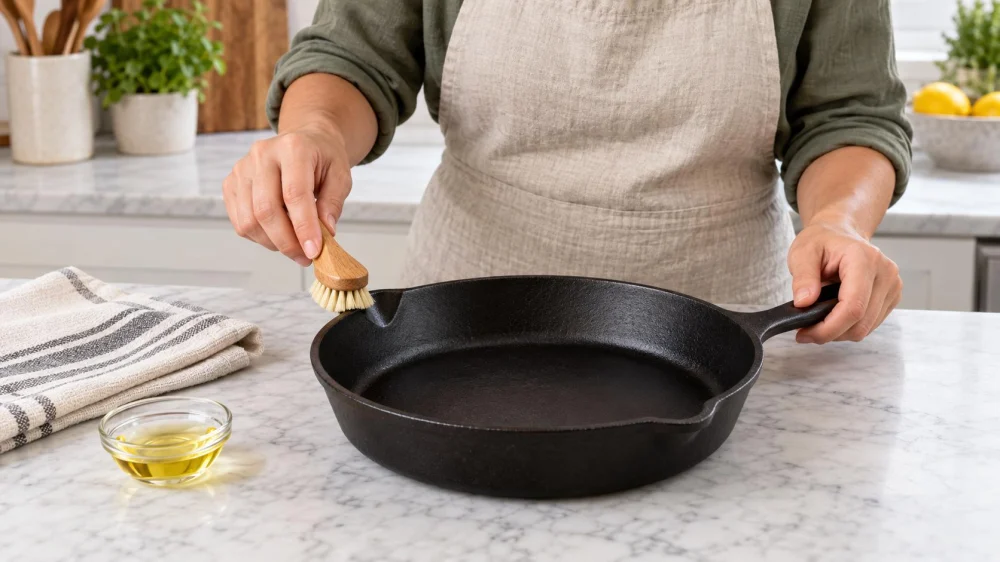
Cast Iron Pour Spouts: Clean, Dry, and Inspect Edges
On this page
- Quick answer
- Notice why spouts need attention
- Let the pan cool safely
- Clean narrow corners gently
- Inspect the edge and surrounding wall
- Dry the groove completely
- Apply only a very thin oil film
- Pour with weight and heat in mind
- Know when to stop using the pan
- Limits and important notes
- Frequently asked questions
- Sources and evidence notes
- Conclusion and next steps
Quick answer
Clean cast iron pour spouts after the pan is cool enough to handle. Use warm water, a brush or non-damaging scraper, and mild dish soap when needed; avoid gouging narrow edges. Rinse, dry every groove promptly, warm gently only if safe, and wipe on an extremely thin food-safe oil film before storage. Inspect spouts for cracks, sharp chips, active rust, sticky buildup, and loose enamel. Pour with two hands or a helper when the pan is heavy.

America Refinishing Pros / america refinishing pros
9510 SW 137th Ave, Miami, FL 33186, USA
Notice why spouts need attention
Pour spouts collect sauce, oil, batter, crumbs, and wash water. Their corners can stay damp after the broad cooking surface looks dry, encouraging rust or stale residue. Buildup can also disrupt a clean stream.
The spout edge is exposed to impacts in sinks and storage. A quick inspection during cleaning catches changes without turning routine care into aggressive restoration.

Carefree Koatings / miracle method louisville ky
8919 Renetta Ct, Cincinnati, OH 45251, USA
Let the pan cool safely
Do not carry a dangerously hot, heavy pan to a sink or run cold water onto very hot iron. Sudden temperature change can create steam, burns, and thermal stress. Follow the cookware maker's instructions.
When the pan is safe to handle but residue has not hardened completely, move it to a stable sink or counter. Keep the handle path clear and use dry protection rated for the remaining heat.
Clean narrow corners gently
- Remove loose food with a soft brush or non-damaging scraper.
- Use warm water and mild dish soap as needed.
- Work the brush into each spout without levering against the edge.
- Rinse away loosened residue.
- Repeat rather than using excessive force.
- Keep abrasive or chemical methods within manufacturer guidance.
Inspect the edge and surrounding wall
- Look for a new crack extending from the spout.
- Feel for a sharp chip only when the pan is cool, using care.
- Check for orange rust, black flakes, sticky oil, or rough residue.
- On enameled cookware, look for chips or lifting enamel.
- Compare both spouts and prior photographs if a change is uncertain.
Dry the groove completely
Use an absorbent towel around the lip, corners, handle junction, and underside. If the manufacturer permits, brief gentle heating can evaporate remaining water, but stay present and turn the heat off before the pan becomes dangerously hot.
Do not leave an empty pan heating unattended. Allow it to cool on a heat-safe surface before oiling or storing.
Apply only a very thin oil film
For bare cast iron, wipe a small amount of suitable food-safe seasoning oil across the clean dry surface, including the spout, then buff until it looks almost dry. Excess oil can pool in the spout and become sticky or stale.
Enameled cast iron generally does not need seasoning on the enamel. Follow product-specific care, especially at exposed rims.
Pour with weight and heat in mind
Before pouring, set the receiving container on a stable heat-safe surface and clear the path. Use a secure two-hand grip or helper, keep faces and hands away from steam, and pour slowly enough to control the stream.
A spout reduces drips but does not eliminate splashing, especially with hot fat, thick sauce, or an overfilled pan. Use a ladle or smaller vessel when lifting is not comfortable.
Know when to stop using the pan
Stop cooking with the pan if there is a crack, sharp missing piece, unstable handle, active enamel loss on a food-contact surface, severe distortion, or uncertainty about prior non-food use or contamination. Do not grind or weld cookware without expert evaluation.
A qualified restoration professional or the manufacturer can advise whether an item is decorative, repairable, or suitable for food use.
Limits and important notes
Cast iron composition, age, enamel, coatings, prior use, and maker instructions vary. A photograph cannot establish structural integrity or food safety.
This guide covers routine care, not restoration of unknown coatings, lead-contaminated items, fire-damaged cookware, cracks, or damaged enamel. Seek appropriate testing or professional advice before food use.
Frequently asked questions
Can I use dish soap in a cast iron spout?
Mild soap is generally compatible with established seasoning, but follow the maker's care instructions and dry promptly.
Why is the spout sticky?
Oil may have pooled or residue may remain. Clean gently, dry, and apply a much thinner film.
Can I smooth a sharp chip myself?
Do not improvise power-tool or grinding work on food cookware. Stop use and seek expert assessment.
Sources and evidence notes
This article applies general cast iron cleaning, drying, seasoning, thermal-safety, lifting, and inspection principles. The cookware's material, manufacturer guidance, prior use, condition, and a qualified assessment determine safe care and food use.
Conclusion and next steps
After the next use, clean each spout while the pan is safely warm, inspect the edges, and dry the grooves before oiling. Store the pan where spouts cannot strike other cookware. If pouring feels unstable, transfer food with a ladle instead of testing your grip.



 OKay Home Renovation and House Painters5.0 (4 reviews)
 OKC Renovations5.0 (26 reviews)
 BathPlanet of Oklahoma4.0 (5 reviews)
 TLC Renovation4.0 (48 reviews)
 The Tile Genie4.0 (9 reviews)
 Mendoza's Quality5.0 (36 reviews)
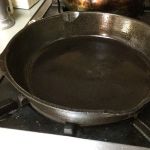 How to Refurbish a Cast Iron Skillet at Home: A Complete Guide
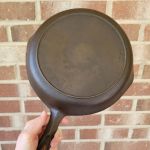 Best Products for Cast Iron Restoration Service: Top Tools and Products
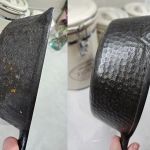 Simple At-Home Techniques for Cast Iron Restoration | Restore Your Cookware
 How to Restore Cast Iron at Home | A Complete Guide for Beginners
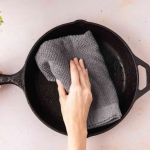 How Long Does Cast Iron Skillet Refinishing Take? Realistic Timeline for Restoration
 What to Avoid When Attempting Cast Iron Refinishing: Common Mistakes to Watch Out For