
Cast Iron Lid Rust: Clean Rims Without Trapping Moisture
Table of contents
Quick answer
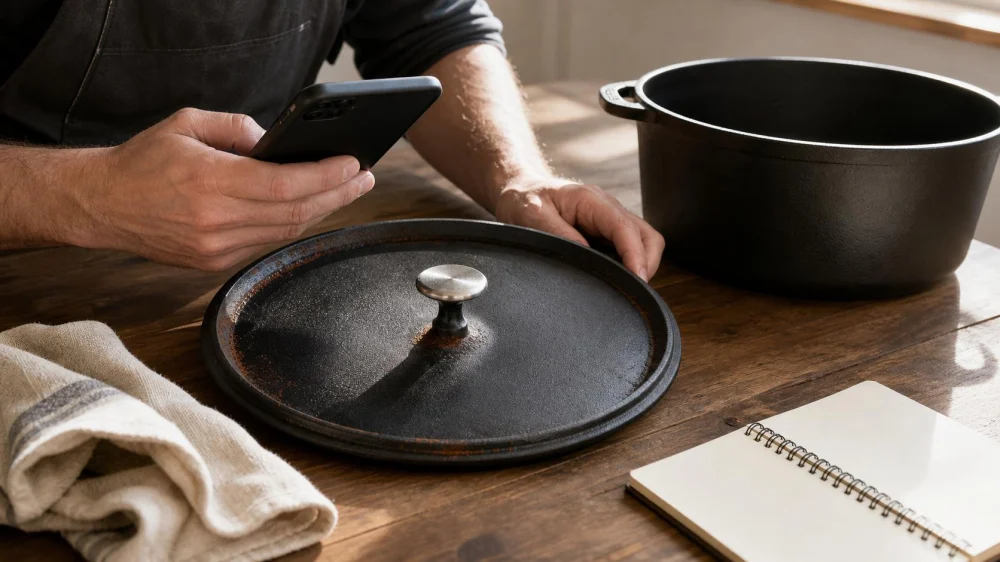
Rust often forms on cast iron lid rims, drip points, knob hardware, and the matching pot edge because condensation lingers there. Let everything cool, identify whether surfaces are bare iron, enamel, plating, or another finish, then clean gently using the maker’s instructions. Dry the lid and pot separately before storage. Stop if enamel is chipped, hardware is loose, rust is deep, or the lid has cracks, unknown coatings, or a poor fit.

America Refinishing Pros / america refinishing pros
9510 SW 137th Ave, Miami, FL 33186, USA
Why cast iron lids rust
Steam condenses on the cooler lid and collects around edges, self-basting points, and hardware. A closed pot dries slowly, especially when stored in a humid cabinet. Abraded seasoning, food salt, dishwasher exposure, a wet towel, or contact between bare metal surfaces can accelerate oxidation. On enameled lids, rust may come from an exposed rim, chipped area, or metal hardware rather than the enamel itself.
Miracle Method of Tempe / miracle method of tempe
1635 W University Dr UNIT 126, Tempe, AZ 85281, USA
Inspect the lid first
- Confirm whether the lid is bare cast iron, fully or partly enameled, plated, or coated.
- Check the rim, underside, basting points, knob base, screw, and matching pot edge.
- Look for orange surface rust, black loose scale, pitting, chips, cracks, or distortion.
- Test knob tightness only by gentle hand observation when the lid is cool.
- Photograph markings and damage before cleaning.
- Review the product manual or reliable vintage identification before choosing a method.
Conservative care for bare iron
For known bare cast iron with light surface rust, hand-wash with warm water, mild dish soap if needed, and a non-aggressive brush or pad. Focus on the affected rim without grinding away sound material. Rinse, dry immediately, then warm gently and apply a very thin coat of suitable food-grade oil according to the maker’s seasoning guidance. Remove visible excess before heating and maintain good ventilation and fire-safe supervision.
Enamel, knobs, and hardware
Do not treat enamel like bare iron. Abrasive tools and thermal shock can scratch or damage the finish, while exposed chipped metal may require manufacturer evaluation. Knob temperature ratings, screw design, washers, and replacement parts vary. Do not improvise hardware, overtighten a knob, or apply seasoning oil to plastic, wood, plated, or unknown parts. Use only compatible replacement components and written instructions.
Drying and storage
Dry the pot and lid completely as separate pieces. Allow trapped moisture around hardware and basting points to evaporate before closing the cookware. Store in a dry location with airflow; a clean dry spacer between lid and pot can help when the maker permits it. Avoid damp towels, sealed plastic around incompletely dry iron, and humid areas near a dishwasher or sink. Recheck after long storage.
Restoration checklist
Record brand and markings, surface type, lid and pot fit, rust location, depth, enamel condition, knob material, hardware condition, recent washing, storage humidity, foods cooked, prior restoration, and before-and-after photos. Ask a restorer whether the rust is superficial, whether material loss affects fit or strength, which surfaces may be seasoned, how hardware should be serviced, and whether the lid remains appropriate for cooking.
Limits and safety notes
This general U.S. guidance cannot certify cookware safety, identify unknown coatings, or determine structural integrity. Do not use power tools, mix chemicals, heat a wet lid rapidly, handle hot hardware, season enamel, or cook with a cracked or unstable lid. Vintage finishes and repaired cookware need specialized assessment. Follow manufacturer instructions, verified restoration records, fire-safety practices, and qualified professional advice.
Evidence notes
A useful assessment separates moisture history from material condition: where condensation collects, which finish is exposed, how deep corrosion extends, whether the lid still sits evenly, and whether hardware remains sound. Photos over time show recurrence after improved drying. Exact product care instructions are the primary reference; vintage identification and professional inspection are important when coatings, enamel, plating, or prior repairs are uncertain.
Frequently asked questions
Can I season the entire lid?
Only known bare-iron surfaces should be seasoned, using the maker’s instructions. Do not coat enamel or incompatible hardware.
Why does rust return around the rim?
Moisture, worn seasoning, salt, metal contact, or incomplete drying may remain. Check both matching surfaces and storage.
Can I store the lid upside down?
It may improve airflow for some cookware, but protect surfaces and follow the manufacturer’s storage guidance.
Is a loose knob safe?
Do not use the lid until the correct hardware and safe tightening method are confirmed.
Does deep pitting require replacement?
Depth, location, fit, and structural condition matter. Have severe corrosion or valuable vintage cookware professionally assessed.
Next steps
Cool and inspect the lid, identify every surface and hardware material, document the rust, and use only a compatible gentle cleaning method. Dry lid and pot separately and improve storage airflow. Seek professional restoration for deep corrosion, chipped enamel, loose or unknown hardware, cracks, poor fit, unknown coatings, or rust that quickly returns.



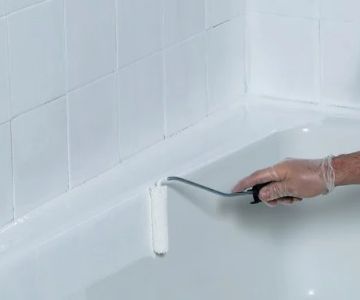
 Palmetto Bath4.0 (283 reviews)
 New Surface - Bathtub Refinishing | Surface Refinishing | Chips Cracks Repairs4.0 (6 reviews)
 Bathtub Solutions0.0 (0 reviews)
 Calibrated Surfaces, Inc.4.0 (20 reviews)
 ZaZa Remodeling5.0 (10 reviews)
 Coastal Resurfacing4.0 (40 reviews)
 How to Refurbish a Cast Iron Skillet at Home: A Complete Guide
 Best Products for Cast Iron Restoration Service: Top Tools and Products
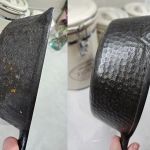 Simple At-Home Techniques for Cast Iron Restoration | Restore Your Cookware
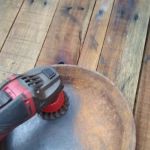 How to Restore Cast Iron at Home | A Complete Guide for Beginners
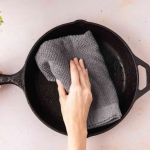 How Long Does Cast Iron Skillet Refinishing Take? Realistic Timeline for Restoration
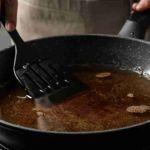 What to Avoid When Attempting Cast Iron Refinishing: Common Mistakes to Watch Out For