
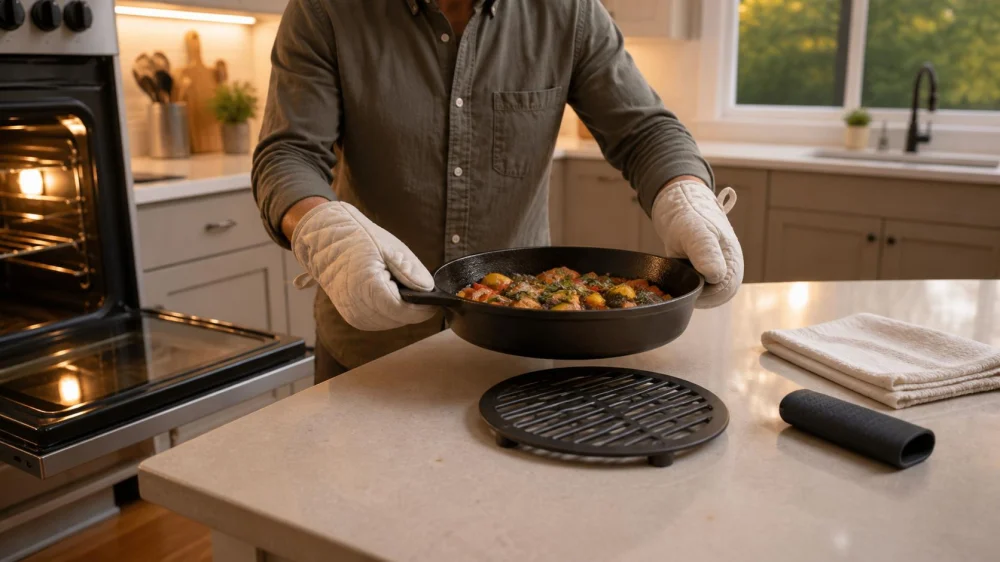
Cast Iron Handle Safety: Covers, Towels, and Oven Moves
On this page
- Quick answer
- Why every cast iron handle can become hot
- Compare mitts, pads, towels, and covers
- Keep every heat barrier dry
- Know the limits of removable handle covers
- Use two hands for heavy cookware
- Plan the oven route before lifting
- Manage handles safely on the stovetop
- Warn others after the pan leaves the heat
- Inspect cookware and grip tools
- Frequently asked questions
- Conclusion and next steps
Quick answer
Treat the long handle, helper handle, lid knob, bail, and side walls of cast iron as hot whenever the cookware has been on a burner, grill, fire, or in an oven. Use dry, intact oven mitts or pads rated for the task, grip with both hands, and clear the route before lifting. Remove covers that are not approved for oven or flame exposure, and leave a visible dry mitt on the handle after setting the pan down.
Cast iron holds heat for a long time and often gives no visible warning. The cookware and handle cover manufacturers’ instructions control suitable temperature, duration, and use.

Surface Specialists of South Central MN / surface specialists mn
MankatoBlue Earth CountyMinnesota
436 Lyd Blvd, Mankato, MN 56001, USA
Why every cast iron handle can become hot
Most traditional cast iron cookware is cast as one continuous piece, so heat travels from the base and walls into the long handle and helper handle. A lid and its knob can also become hot from direct heating, steam, or oven use.
A handle that stayed comfortable during a short low-heat task can become unsafe later. Burner size, oven time, pan position, cookware thickness, and nearby flame all affect the temperature.

Miracle Method Surface Refinishing / miracle tub refinishing
Santa RosaSonoma CountyCalifornia
3200 Dutton Ave Suite #325, Santa Rosa, CA 95407, USA
Compare mitts, pads, towels, and covers
- Oven mitts: cover the hand and wrist, but bulky designs can reduce grip.
- Pot holders: give a direct grip but can slip or leave fingers exposed.
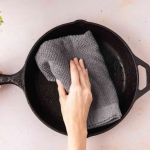
- Folded kitchen towels: can work when thick, dry, securely folded, and kept away from flame.
- Silicone or fabric handle covers: provide a convenient barrier for approved uses but do not make the pan permanently cool.
- Two-piece grip sets: can protect the long and helper handles during a controlled lift.
Choose a tool that fits the handle and your hand without bunching, sliding, or reducing control.
Keep every heat barrier dry
Water transfers heat rapidly and can turn to steam. A damp towel, wet mitt, or cover exposed to condensation may cause a fast burn even if it feels thick. Check the gripping surface before approaching the pan.
Keep a separate dry set for hot cookware instead of using the towel that dried dishes or wiped the counter. Replace a barrier that becomes wet, greasy, torn, thin, or scorched.
Know the limits of removable handle covers
A removable cover may be intended for moving a pan briefly, not for staying on during preheating, broiling, grilling, open-flame cooking, or a full oven cycle. Fabric can scorch, and silicone can soften or degrade outside its specified use.
Read the cover instructions and verify fit. Remove an unapproved cover before heat exposure and store it where it will remain clean and dry. Do not assume colour or thickness indicates a temperature rating.
Use two hands for heavy cookware
A full cast iron pan can be much heavier and harder to balance than the empty pan. Use one protected hand on the long handle and another on the helper handle or approved support point. Keep wrists straight and the pan close to the body.
Do not lift by a detachable cover that slides or by a lid handle when moving the whole pan. If the cookware is too heavy, reduce the contents safely, use a stable trivet nearby, or ask another adult for help.
Plan the oven route before lifting
- Clear children, pets, chairs, cords, and floor hazards.
- Choose a heat-safe landing surface and place it within a short route.
- Open the oven and move the rack before picking up the pan.
- Put on dry protection for both hands.
- Confirm the lid and food cannot slide or spill.
- Lift with two hands and set the pan down completely before releasing.
Do not carry a hot pan across a crowded room or reach over another person.
Manage handles safely on the stovetop
Turn the long handle inward so it cannot be bumped, while keeping it away from another burner and clear of the oven door. Do not position it directly over heat. Keep towels and loose covers away from flame and hot coils.
Use a burner that supports the base securely. On a smooth cooktop, lift rather than slide when repositioning, and lower the pan gently. Never leave an empty preheating pan unattended.
Warn others after the pan leaves the heat
A cast iron pan on a table or trivet still looks like ordinary serving ware. Place a dry mitt or purpose-made warning cover visibly on the handle and tell others it is hot. Keep the cookware out of reach of children and away from table edges.
Use a stable heat-safe trivet that supports the full base and protects the surface below. Do not place the pan on a damp counter, plastic board, fragile glass, or an unknown finish.
Inspect cookware and grip tools
Before cooking, check the handle, helper handle, bail attachment, lid knob, and cookware body for cracks, looseness, severe corrosion, or sharp damage. A cracked cast iron handle can fail under a full load and should be evaluated before use.
Inspect mitts and covers for worn thin spots, melted areas, split seams, grease saturation, and poor fit. Replace damaged protection rather than doubling it with an uncertain layer.
Frequently asked questions
Can a silicone handle cover stay on in the oven?
Only if its manufacturer specifically approves the cover for that oven use, temperature, and duration. Many are intended only for brief handling.
Is a folded towel safe for a hot skillet?
It can provide protection when thick, fully dry, securely folded, and kept away from flame, but a proper intact mitt may offer more coverage.
Why put a mitt on the handle after cooking?
It creates a visual and physical reminder that the handle remains hot after the pan leaves the burner or oven.
Can I cool the handle with water?
No. Sudden cooling can create steam, splatter, and thermal stress. Let the cookware cool in a safe place.
Conclusion and next steps
Assume every cast iron grip point is hot, keep dedicated protection dry and intact, and check cover limits before heating. Use two hands, clear the route, and prepare the landing surface before lifting. After the move, leave a visible dry mitt on the handle and warn others until the cookware has cooled completely.



 Renovations By Fairfield5.0 (55 reviews)
 Kingdom Design and Build5.0 (16 reviews)
 The Tropical Tub Doctor4.0 (109 reviews)
 Precision Refinishing4.0 (24 reviews)
 American Bathtub Repair5.0 (1 reviews)
 Custom Cabinet Connections4.0 (24 reviews)
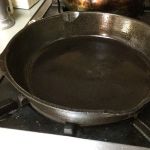 How to Refurbish a Cast Iron Skillet at Home: A Complete Guide
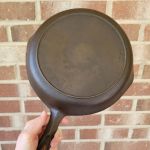 Best Products for Cast Iron Restoration Service: Top Tools and Products
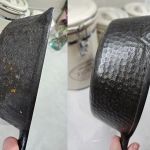 Simple At-Home Techniques for Cast Iron Restoration | Restore Your Cookware
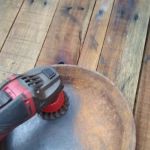 How to Restore Cast Iron at Home | A Complete Guide for Beginners
 How Long Does Cast Iron Skillet Refinishing Take? Realistic Timeline for Restoration
 What to Avoid When Attempting Cast Iron Refinishing: Common Mistakes to Watch Out For