
Cast Iron on Glass and Induction Cooktops: A Safe Guide
On this page
- Quick answer
- Identify the cooktop type and manual
- Inspect the cast iron base
- Match pan size to the cooking zone
- Lift, place, and move the pan safely
- Use gradual heat
- Understand induction-specific behaviour
- Protect a radiant glass surface
- Cool and clean both surfaces
- Know when to stop using the pan or cooktop
- Cooktop checklist
- Frequently asked questions
- Sources and evidence notes
- Next steps
Quick answer
Cast iron can work on many glass-ceramic radiant and induction cooktops when the appliance manual permits it. Use a pan with a smooth, clean, stable base; match it to the cooking zone; lift instead of sliding; place it gently; and raise heat gradually. Keep both surfaces free of grit and stop if the cooktop is cracked or the pan rocks, has burrs, or is structurally damaged.
“Glass cooktop” describes the surface, not the heating technology. A radiant electric cooktop heats an element beneath the glass; induction uses a magnetic field to heat compatible cookware. The handling risks overlap, but controls and heating response differ.

America Refinishing Pros / america refinishing pros
9510 SW 137th Ave, Miami, FL 33186, USA
Identify the cooktop type and manual
Find the appliance model number and current owner’s manual. Read the cookware, surface protection, pan size, bridge zone, cleaning, and error sections. The appliance manufacturer’s instructions control whether cast iron is recommended and what precautions apply.
Clues to the cooktop type:
- Radiant glass-ceramic: the cooking zone may glow red and the glass remains hot after the control is off.
- Induction: a compatible pan triggers the zone, the pan heats quickly, and the surface is warmed mainly by the cookware.
- Hybrid: some appliances combine induction and radiant zones.
Confirm the cooktop’s cookware weight guidance when using a large Dutch oven, griddle, or filled skillet. A heavy pan plus food and liquid creates more load than the empty cookware.

Carefree Koatings / miracle method louisville ky
8919 Renetta Ct, Cincinnati, OH 45251, USA
Inspect the cast iron base
Turn the cool pan upside down on a padded stable counter, not on the cooktop. Wipe the base clean and inspect it under bright light.
Look for:
- sand, salt, sugar, seasoning flakes, or metal grit;
- rust scale or stuck-on food;
- rough casting bumps, burrs, or sharp gate marks;
- a raised heat ring that reduces contact area;
- warping, spinning, or a base that rocks;
- a crack at the base, wall, handle, or pour spout;
- sticky oil that can transfer and bake onto glass;
- an oversized base that would cover controls or trim.
A vintage pan does not need a mirror-polished base, but it should be clean, stable, and free from loose abrasive material. Do not grind or sand a collectible pan merely to fit a cooktop. Ask a restoration professional and consider another pan or heat source.
Test stability on a known-flat counter. A slight casting variation may be usable, but rocking reduces contact, creates uneven heating, and can make the pan less stable when stirred.
Match pan size to the cooking zone
Use the pan base diameter, not the rim or handles, to select the zone. A close match promotes even heating and allows the cooktop to detect induction cookware correctly.
On radiant glass, a pan much wider than the element may develop a hot center and cooler edges. A very small pan can waste heat and may not sit securely. On induction, cookware outside the zone’s recognized size range may not be detected or may heat unevenly.
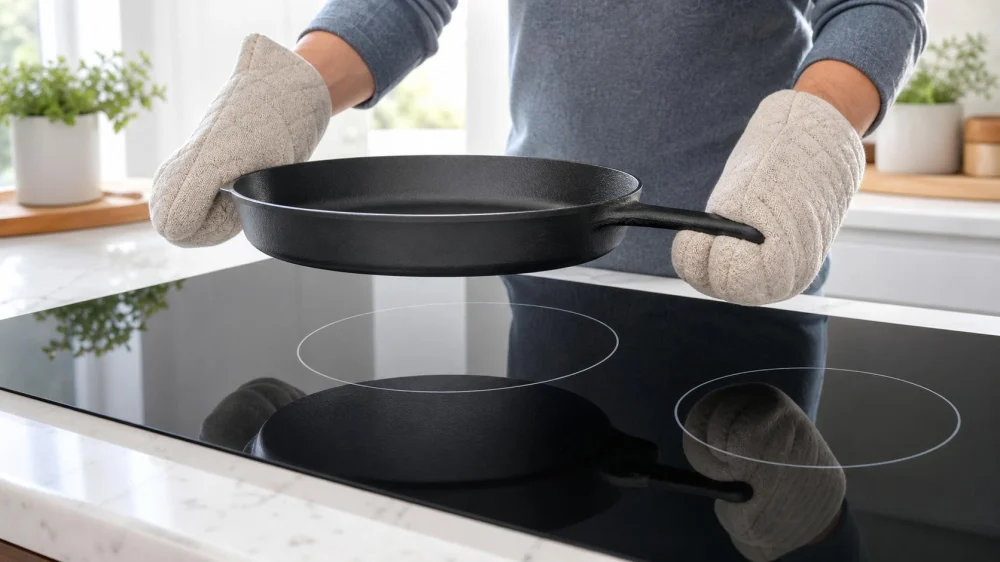
Center the pan before turning on the zone. Keep handles clear of nearby controls, walls, backsplashes, and another hot zone. Do not let a helper rotate the pan by dragging it.
For a long griddle, use only an approved bridge or flex zone and a griddle the manufacturer permits. Heating a large cast iron griddle across two unrelated round zones can create severe temperature differences and stress both cookware and glass.
Lift, place, and move the pan safely
Whirlpool and GE guidance for glass cooktops emphasizes lifting cast iron rather than sliding it. Sliding can trap grit and create scratches. Dropping or setting it down hard can chip or crack glass.
Before lifting:
- clear the path and landing zone;
- use two dry secure mitts for a hot or two-handled vessel;
- confirm the handle and helper grip are sound;
- reduce the amount of hot liquid when practical;
- keep children and pets away;
- use a nearby heat-safe trivet that can support the weight.
Lift straight up, move without swinging, and lower gently. Do not rest hot cast iron on the cooktop frame, control panel, counter seam, or an unapproved glass cover.
Never place paper, foil, silicone mats, towels, or heat diffusers beneath the pan unless the cooktop manufacturer explicitly approves that product and use. On induction, an unapproved mat can affect heating or trap heat; on radiant glass, it can melt or burn.
Use gradual heat
Cast iron holds heat and induction can deliver energy rapidly. Start on a low setting and increase in steps. Allow the temperature to spread across the pan before adding more power.
Do not preheat an empty pan on high or use a boost setting merely to save time. Excessive empty heating can damage seasoning, create smoke, warp cookware, overheat oil, and stress the cooktop.
Add cooking fat before the pan becomes excessively hot unless the recipe requires a cool start. Watch continuously. If oil smokes unexpectedly, lower or stop heat and move the pan only when it can be handled safely.
Match heat to the task. Medium power on one cooktop may behave like high heat on another. Learn the response with water-based foods or gentle sautéing before attempting high-temperature searing.
A lid changes heating and moisture. Use a lid that fits and whose knob is rated for the temperature. Steam can burn; lift the far edge first and keep your face and hands clear.
Understand induction-specific behaviour
Most bare cast iron is magnetic and often induction-compatible, but shape and size still matter. A simple magnet test can suggest compatibility; the cooktop manual and actual detection confirm it.
Induction may produce humming, buzzing, clicking, or pulsing, especially at high power, with certain pan constructions, or when multiple zones share power. The manual should describe normal sound. Stop for arcing, burning odor, smoke, error codes that persist, or abnormal vibration.
Because induction responds quickly, reduce power before food overcooks rather than lifting a heavy pan repeatedly. Some zones cycle at low settings. Give the control time to stabilize.
Keep the pan centered over the marked zone. A very small contact area, raised heat ring, or warped base can reduce coupling. Do not use an unapproved induction adapter plate; it can overheat and transfers the same heavy-contact risk to the glass.
People with implanted medical devices should follow the device manufacturer’s and healthcare professional’s guidance about electromagnetic appliances and safe distance.
Protect a radiant glass surface
Radiant cooktops remain hot after the element turns off. Watch the hot-surface indicator and assume the zone is hot when uncertain. Cast iron also stays hot long after removal.
Keep sugar, syrup, plastic, and foil away from hot glass. Sugary spills can bond to the surface and may require immediate manufacturer-specified action. Follow the appliance manual rather than scraping with an ordinary knife or abrasive pad.
Check the pan base every time. A grain of salt or seasoning flake between iron and glass can scratch when the pan moves. Wipe the cool cooking zone before placing cookware.
Do not use the cooktop as a storage surface. A cast iron lid, pan, or utensil can be dropped onto the glass, and a control could be activated accidentally.
Cool and clean both surfaces
Move the pan to a rated trivet and turn off the zone. Let the cooktop cool according to the indicator and manual. Do not pour cold water into a very hot pan or onto hot glass.
Clean the cast iron with the approved method, dry it completely, and use only a very thin oil film when needed. Wipe the exterior and base as carefully as the cooking surface so oil and carbon do not transfer to the cooktop.
Clean the glass with the appliance manufacturer’s cleaner and pad after it cools, except for spills that the manual says need a special immediate procedure. Avoid steel wool, abrasive powders, oven cleaner, and dirty cloths.
Before storage, inspect the glass in angled light. If a line catches a fingernail, branches, or appears below the surface, stop using the cooktop and contact authorized service; it may be a crack rather than a surface mark.
Know when to stop using the pan or cooktop
Stop and seek appropriate service for:
- cracked, chipped, or deeply pitted glass;
- an electrical error, burning odor, sparks, or a repeatedly tripped breaker;
- a cast iron crack, loose handle, sharp base, or severe warp;
- a pan that rocks dangerously or is not detected reliably;
- unusual cooktop noise combined with heat, odor, or error;
- melted material bonded to the surface;
- impact damage after cookware was dropped.
Do not cook on cracked glass. Liquids can reach electrical components below. Turn the appliance off according to the manual without touching wet or damaged areas and arrange authorized service.
Cooktop checklist
- Read the cooktop manual’s cookware section.
- Confirm cast iron is permitted.
- Inspect the pan base for grit, burrs, rust, and rocking.
- Match the base diameter to the zone.
- Lift and lower the pan gently; never slide it.
- Start low and increase heat gradually.
- Avoid empty high-power preheating.
- Use dry secure mitts and a rated trivet.
- Let both pan and glass cool safely.
- Clean the pan base and cooktop with approved methods.
- Stop for cracks, structural damage, odors, sparks, or errors.
Frequently asked questions
Will cast iron scratch a glass cooktop?
It can if dragged, dropped, or used with grit beneath it. Use a clean smooth stable base and lift the pan. Follow the appliance manufacturer’s cookware guidance.
Does cast iron work on induction?
Most bare cast iron is magnetic, but the pan’s base size, shape, contact, and the cooktop’s detection range matter. Check the manual and test safely at low power.
Can I use parchment or a silicone mat under cast iron?
Only if the cooktop manufacturer explicitly approves the material and cooking use. Unapproved barriers can trap heat, melt, burn, or interfere with induction.
Why does the pan hum on induction?
Some humming or buzzing can be normal electromagnetic vibration. Check the manual. Stop if noise is accompanied by smoke, odor, error codes, arcing, or severe vibration.
Can I use high heat for searing?
Cast iron can sear with stored heat, but start gradually and follow the cooktop and pan guidance. Maximum or boost power is often unnecessary and can overheat an empty pan quickly.
What if the pan has a heat ring?
It may have less glass contact and may not heat evenly or be detected on some induction zones. Check stability and the cooktop manual; use another compatible pan if needed.
Sources and evidence notes
- Whirlpool: Cast Iron on a Glass Cooktop describes manufacturer precautions including lifting cookware instead of sliding it.
- GE Appliances Glass-Ceramic Cooktop Guide cautions against sliding cookware and notes cast iron may scratch glass.
- USDA Food Safety and Inspection Service: Food Thermometers explains temperature verification for meat, poultry, seafood, and egg dishes.
Cooktop models differ. The current manual for the exact appliance takes priority over general handling advice.
Next steps
Download the cooktop manual and inspect one cool cast iron pan on a padded flat counter. Confirm the base is clean, stable, smooth enough for the appliance, and correctly sized. For the first use, center it on the zone, begin at low power, lift rather than slide, and note the settings that produce steady even heat.




 My Kitchen and Bath4.0 (122 reviews)
 Five Star Bath Solutions of Minneapolis4.0 (255 reviews)
 Avan Refinishing Solutions LLC4.0 (24 reviews)
 ReNU Kitchens4.0 (31 reviews)
 Luxury Bath of Tampa Bay4.0 (397 reviews)
 NuFinishPro of Ladera Ranch5.0 (30 reviews)
 How to Refurbish a Cast Iron Skillet at Home: A Complete Guide
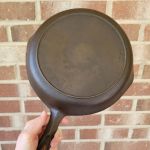 Best Products for Cast Iron Restoration Service: Top Tools and Products
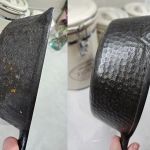 Simple At-Home Techniques for Cast Iron Restoration | Restore Your Cookware
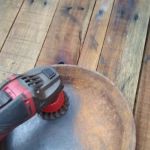 How to Restore Cast Iron at Home | A Complete Guide for Beginners
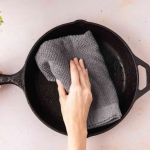 How Long Does Cast Iron Skillet Refinishing Take? Realistic Timeline for Restoration
 What to Avoid When Attempting Cast Iron Refinishing: Common Mistakes to Watch Out For