
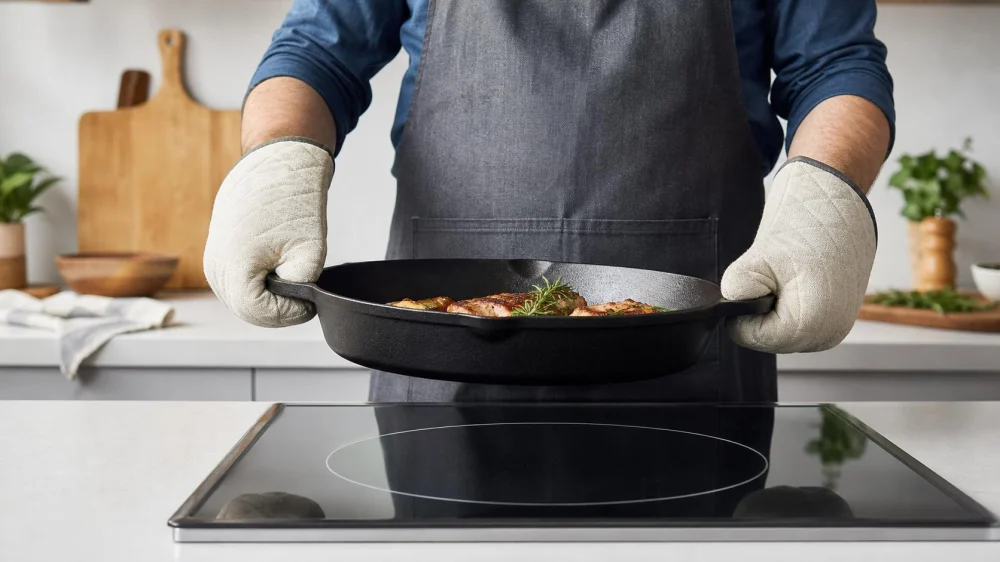
Cast Iron on a Glass Cooktop: Lift, Match the Burner, and Heat Slowly
Cast iron works on many smooth glass or ceramic cooktops, but weight, rough bottoms, trapped grit, oversized pans, and rapid heat changes can scratch or damage the surface. The cookware and appliance instructions come first. A safe routine uses a flat clean pan, a matching heating zone, moderate heat, and deliberate lifting instead of sliding.
Check Both Manuals
Read the cooktop manufacturer’s cookware, weight, zone-size, cleaning, and warranty guidance. Then check instructions for the pan, especially if it has an enamel coating or heat ring. “Compatible with electric” does not answer every glass-top question. When guidance conflicts, choose another cooking method or contact the manufacturers rather than testing the surface.

America Refinishing Pros / america refinishing pros
9510 SW 137th Ave, Miami, FL 33186, USA
Inspect the Pan Bottom
Set the cold pan on a flat protected counter and examine the bottom for burrs, rust flakes, baked debris, chips, wobble, or a raised ring. A rough or warped base can concentrate contact and move unpredictably. Clean and dry it according to the pan’s surface type. Do not grind or sand maker marks and enamel without appropriate restoration expertise.

Miracle Method Surface Refinishing / miracle refinish tubs
Santa RosaSonoma CountyCalifornia
3200 Dutton Ave Suite #325, Santa Rosa, CA 95407, USA
Clean the Cooktop
Before cooking, make sure the cool cooktop and pan bottom are free of salt, sugar crystals, sand, and hardened food that can scratch when compressed. Use only the approved cooktop cleaner and a clean soft cloth. Do not place the pan over a wet puddle or cleaner residue. Inspect for existing cracks or chips before applying heat.
Match Pan and Zone
Choose a heating zone close to the pan’s flat contact diameter and within the appliance limit. A pan that extends too far can overheat surrounding trim, controls, or adjacent areas, while a tiny zone can create uneven heating. Centre the pan gently. Large Dutch ovens filled with food may exceed weight or handling limits, so plan total weight.
Lift Instead of Sliding
Use two dry, secure grips and lift the pan straight up when repositioning. Do not shake, spin, drag, or scoot cast iron across glass. Clear the destination first and use appropriate heat protection. If the filled pan is too heavy to lift steadily, reduce the load before heating or choose lighter cookware instead of asking another person to grab a hot edge.
Heat Gradually
Start at low or moderate heat and allow the thick iron to warm. High settings can create hot spots before the rest of the pan responds. Never preheat an empty pan unattended. Avoid thermal shock from frozen food, cold liquid, or a wet surface hitting very hot iron. Follow the recipe and appliance limit rather than treating maximum heat as a shortcut.
Cook Without Impact
Stir and turn food without striking the pan or dropping heavy utensils. Keep handles inside the cooktop edge but away from other hot zones and controls. Use oven mitts because cast-iron handles remain hot. Do not rest lids, utensils, or trivet feet on a hot glass area unless the appliance instructions specifically permit it.
Cool in Place Safely
After switching off the zone, remember that both iron and glass retain heat. Leave the pan stationary only where the manual allows and where it will not overheat food or the surface. Move it by lifting to a strong heat-safe trivet when appropriate. Never set a hot pan on a cold, wet, or fragile counter.
Clean Spills Correctly
Follow the appliance’s procedure for spills, especially melted sugar, which can damage some surfaces as it cools. Do not reach under a hot heavy pan or flood the zone with water. Once safe and cool, lift the pan, clean both surfaces with approved methods, and dry cast iron promptly to protect seasoning or exposed iron.
Know When to Stop
Stop cooking if the cooktop cracks, chips, flashes an error, smells electrical, or makes an abnormal sound. Follow emergency and manufacturer guidance; damaged glass may expose electrical hazards. Also stop using a pan that wobbles severely, has a sharp base, cracked enamel, or cannot be lifted safely. Professional evaluation is cheaper than a damaged appliance or injury.
Build the routine before the pan is hot. Place mitts, a strong trivet, utensils, ingredients, and a lid within reach; dry the work area; and choose where the pan will land. Keep children and pets outside the cooking zone. If more food or liquid will make the pan too heavy, divide the recipe between lighter cookware. Safe movement depends on planning the lift while everything is still cool and predictable.
Cast iron and a glass cooktop can work together when contact is controlled. Verify compatibility, clean both surfaces, match the zone, lift every time, heat slowly, and respect retained heat. If the cookware is rough, warped, oversized, or simply too heavy, choose a safer pan.




 Fanominal Finish Drywall Co.4.0 (21 reviews)
 Kitchen Cabinet Pros4.0 (75 reviews)
 Kiba Studios Valparaiso5.0 (4 reviews)
 VASS Tiles Services5.0 (30 reviews)
 CBJ Home Improvement4.0 (117 reviews)
 Wind Bay Kitchen & Bath (Cabinet/Vanity)4.0 (27 reviews)
 How to Refurbish a Cast Iron Skillet at Home: A Complete Guide
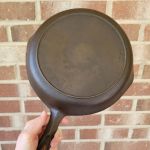 Best Products for Cast Iron Restoration Service: Top Tools and Products
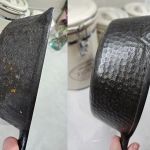 Simple At-Home Techniques for Cast Iron Restoration | Restore Your Cookware
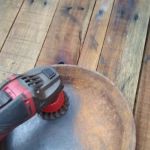 How to Restore Cast Iron at Home | A Complete Guide for Beginners
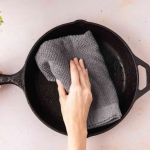 How Long Does Cast Iron Skillet Refinishing Take? Realistic Timeline for Restoration
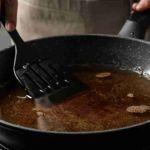 What to Avoid When Attempting Cast Iron Refinishing: Common Mistakes to Watch Out For