
Cast Iron Cracks: Stop Using and Inspect the Damage Safely
On this page
Quick answer
If you see or suspect a crack in cast iron cookware, stop cooking with it and let it cool naturally. Do not heat it to “test” the line, strike it, bend it, grind it, or fill it with food. Clean only enough for a cool visual inspection, photograph both sides, and ask an experienced restorer whether the mark is a crack, casting feature, or surface buildup.

Miracle Method Surface Refinishing / miracle refinish tubs
Santa RosaSonoma CountyCalifornia
3200 Dutton Ave Suite #325, Santa Rosa, CA 95407, USA
Stop heating the pan
A crack can grow when a pan is heated, cooled, lifted, or loaded. Damage near a handle, bail attachment, rim, base, or wall can affect how safely cookware carries weight. A leak can also release hot oil or liquid onto a burner or person.
Turn off the heat if it is safe, leave the cookware supported, and keep people away until it is cool. Do not add water to speed cooling. If hot contents must be handled, use judgment and appropriate emergency help rather than lifting a pan whose handle connection may be compromised.
Inspect without forcing
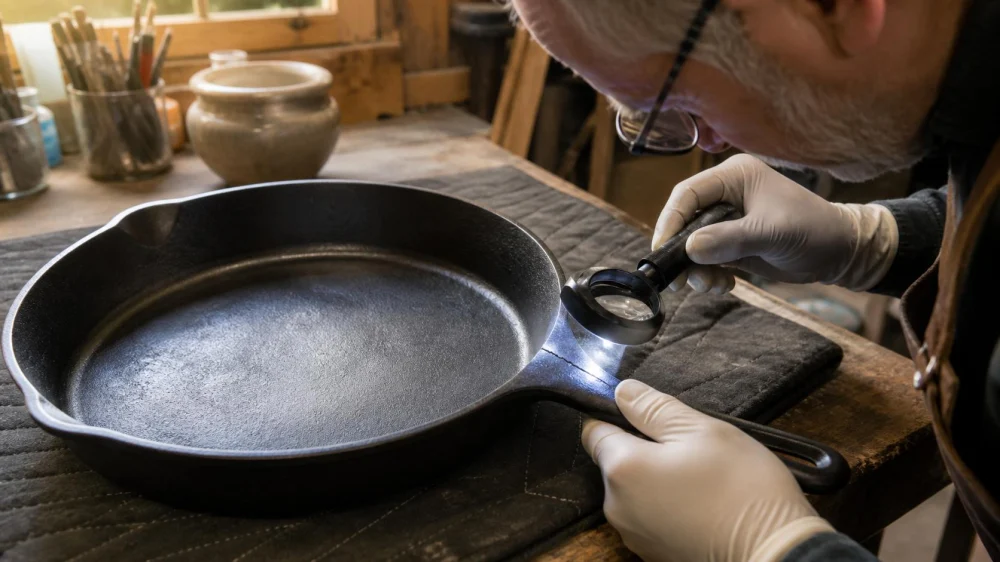
When the pan is completely cold and empty, use bright angled light to examine the suspected line. Look from the interior and exterior. Check the ends of the line, nearby rust, colour changes, separation, and whether the mark crosses a rim, corner, handle root, heat ring, or maker mark.
Use magnification and photographs rather than sharp probing. Avoid twisting the handle, flexing the walls, tapping for sound, or applying penetrants, dyes, solvents, or chemicals that are not appropriate for food-contact cookware. Do not grind away the line; that removes evidence and metal without proving the remaining structure is safe.
Old casting seams, scratches, carbon buildup, and seasoning boundaries can resemble cracks in photos. Cleaning may clarify the condition, but aggressive stripping should wait until the cookware's value, markings, and assessment plan are understood.
Document the condition
Photograph the whole pan, then the line from several angles with a non-scratching size reference nearby. Record where it starts and ends, whether it is visible on both sides, when it appeared, whether the pan was dropped, and the last heating or cooling event. Note any leak, movement, sound, wobble, or loose handle.
If the pan may be collectible, document maker marks, casting numbers, heat ring, handle, lid, and surface before restoration. A clear condition record helps a specialist advise on preservation, display, or retirement.
Consider realistic options
Seasoning cannot repair a structural crack. Welding, brazing, stitching, or other metal repair is specialist work and may change the cookware's shape, appearance, collector value, and food-use suitability. A visible repair is not automatically proof that a pan is safe for cooking.
Some damaged pieces are best retained for display or responsibly retired. Do not repurpose a cracked pan for a use involving heat, flame, hanging weight, or food unless a qualified evaluation supports it.
Crack checklist
- Heat off and pan cooled naturally.
- Cookware empty and fully supported.
- Interior and exterior inspected in bright light.
- Handle roots, rim, walls, and base checked.
- Whole-pan and close-up photos captured.
- Event history and leakage recorded.
- Maker marks documented before cleaning.
- Specialist assessment requested before reuse.
Limitations and safety notes
This guide cannot identify a crack remotely, certify structural integrity, approve a repair, or determine food-contact safety. Stop using cookware with a suspected crack, loose handle, leaking wall, or uncertain prior repair. Consult an experienced cast iron restorer or qualified metal specialist, and follow applicable cookware and food-safety guidance.
FAQ
Can seasoning seal a small cast iron crack?
No. Seasoning is a surface layer and is not a structural repair.
Should I tap the pan to listen for a crack?
No. Sound is not a reliable home certification, and impact can worsen damage.
Can a cracked pan be welded?
Specialist repairs may be possible in some cases, but feasibility, durability, distortion, value, and intended use require professional assessment.
Can I still use it for display?
Display may be reasonable if the piece is stable, supported, and kept away from heat or hanging loads.
Evidence notes
This guide uses conservative condition-assessment principles: remove the item from service, avoid stress and thermal shock, document both sides, preserve evidence, and obtain specialist advice before reuse. It does not validate any repair method.
Next steps
Label the cooled pan “do not use,” store it supported, and create a photo set showing the entire piece and suspected damage. Send the history and images to an experienced restorer before cleaning, stripping, repairing, displaying, or discarding it.



 Fox Valley Remodeling, Inc.0.0 (0 reviews)
 M&M Home Remodeling Services - CP4.0 (445 reviews)
 The Professional Bathtub Refinishing Association5.0 (1 reviews)
 Matthew James & Co.5.0 (5 reviews)
 S.N. Peck Builder, Inc.5.0 (1 reviews)
 The Kitchen & Bath Store at Benson Stone4.0 (22 reviews)
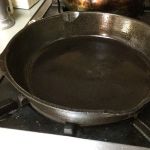 How to Refurbish a Cast Iron Skillet at Home: A Complete Guide
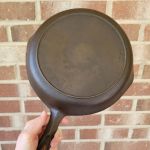 Best Products for Cast Iron Restoration Service: Top Tools and Products
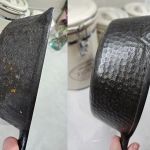 Simple At-Home Techniques for Cast Iron Restoration | Restore Your Cookware
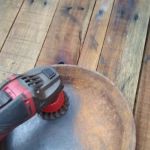 How to Restore Cast Iron at Home | A Complete Guide for Beginners
 How Long Does Cast Iron Skillet Refinishing Take? Realistic Timeline for Restoration
 What to Avoid When Attempting Cast Iron Refinishing: Common Mistakes to Watch Out For