
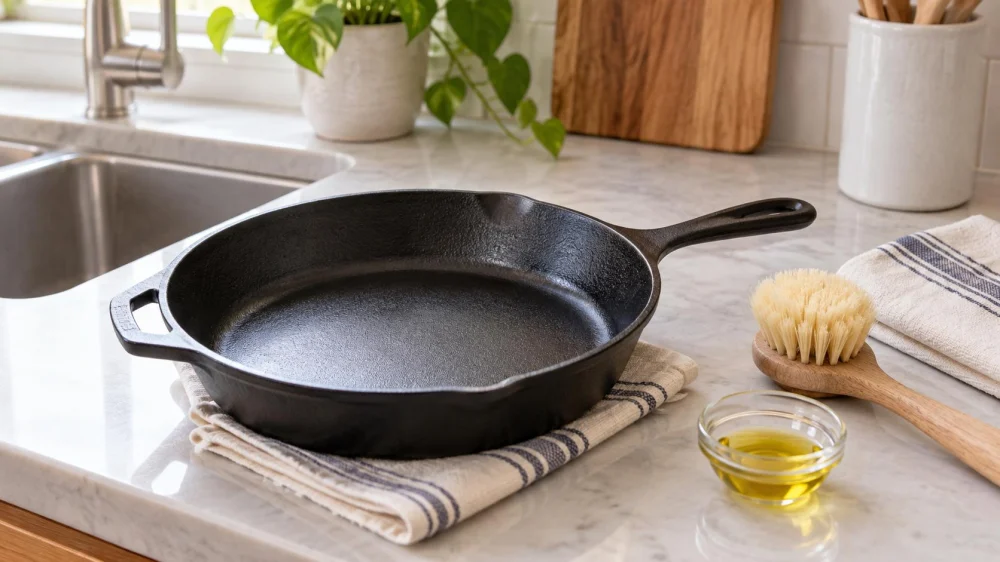
Cast Iron Cooking Odors: Clean, Dry, and Reset
On this page
Quick answer
A lingering smell in cast iron usually calls for a simple sequence: remove food residue, wash the warm—not hot—pan with mild soap and a nonabrasive tool, rinse, dry completely, and heat it briefly before applying a nearly invisible oil film. Stop if the odor resembles chemicals, rancid oil, or unknown contamination.

America Refinishing Pros / america refinishing pros
9510 SW 137th Ave, Miami, FL 33186, USA
Find the likely source of the odor
Cooking odor is a smell that remains after the food has been removed and the pan has cooled. The source may be a thin food film, grease around a handle or pour spout, moisture under a lid, or too much stored oil. A strong odor does not tell you which cause applies, so inspect before adding more seasoning.
Smell the clean, cool pan rather than a hot surface. Look under the rim, around helper handles, and inside textured areas. Check the towel or pad used for oiling; a stale cloth can transfer an odor back to an otherwise clean pan.
- Food-like odor: look for residue, especially after fish, garlic, spices, or frying.
- Stale or paint-like oil odor: suspect old oil or an overly thick maintenance coat.
- Musty odor: inspect for trapped moisture, rust, or storage in a closed damp space.
- Chemical or unknown odor: stop using the cookware until its history and surface are evaluated.
Use a measured cleaning sequence
- Remove loose material. Wipe out crumbs and grease with a disposable towel after the pan is safe to handle.
- Wash normally. Use warm water, mild dish soap, and a nonabrasive brush or pad, following the maker's directions.
- Work the details. Clean around the rim, pour spouts, handle junctions, and lid contact areas.
- Rinse completely. Leftover soap or loosened residue can create its own smell when the pan heats.
- Recheck when cool. Heat can mask or change an odor, so evaluate the clean pan after it has cooled.
Start with the least aggressive method that removes the residue. Abrasive tools, long soaking, harsh cleaners, and unplanned high heat can create more restoration work without identifying the original cause.

Carefree Koatings / miracle method louisville ky
8919 Renetta Ct, Cincinnati, OH 45251, USA
Dry and reset the surface
Dry every surface immediately. A towel removes visible water; a short period over gentle heat can evaporate moisture from texture and edges. Stay with the pan, use ventilation, and stop heating when it is dry. The goal is drying, not smoking the kitchen.
When the pan is dry and only warm, spread a tiny amount of suitable cooking oil over bare seasoned iron and wipe repeatedly with a clean cloth until the surface looks almost dry. A wet or sticky film is excessive and can become stale in storage.
For an intact enameled interior, follow the enamel maker's cleaning instructions instead of seasoning it like bare iron. If enamel is chipped or cracked on the food-contact surface, stop and seek product-specific guidance.
Know when routine cleaning is not enough
Routine washing is best for a recognizable food odor on cookware with a known history and a stable surface. A deeper restoration assessment is more appropriate when the pan has rancid buildup, broad rust, flaking material, heavy carbon deposits, an unknown coating, or a chemical smell.
Do not cover a questionable odor with more oil or bake a contaminated pan in a household oven. Unknown residues can create fumes and spread contamination. A professional cast iron restorer can help define the restoration scope, but food-use suitability may require information about the pan's prior use and any applied coating.
Prevent the next odor problem
- Remove food soon after cooking instead of using the pan for storage.
- Clean the lid, rim, handles, and exterior—not only the center cooking surface.
- Dry fully before stacking or closing a lid.
- Use fresh oil in a very thin layer and a clean application cloth.
- Store the pan in a dry place with air movement; keep paper between nested pieces when useful.
- Check seldom-used cookware before heating it for the next meal.
Important limits
This guide addresses ordinary food and oil odors in known cookware. It does not identify lead, industrial chemicals, pest treatments, fire residue, or other invisible hazards. Do not use smell as proof that an antique or secondhand pan is safe for food.
Heating cookware can create burn and smoke risks. Use stable placement, ventilation, heat-resistant protection, and the manufacturer's instructions. If you feel unwell around an unknown odor, leave the area and seek appropriate safety or medical guidance.
Frequently asked questions
Will one wash with dish soap remove seasoning?
Normal cleaning with mild soap and a nonabrasive tool should not be confused with stripping a pan. Follow the maker's guidance and judge the surface after it is clean and dry. Avoid long soaking and harsh, unplanned treatments.
Should I heat the pan until it smokes to remove odor?
No. Use only enough controlled heat to dry the pan. Smoke indicates overheated oil or residue, creates an indoor-air concern, and does not establish that the surface is clean.
Why does the odor return after storage?
Too much oil, moisture, trapped food residue, a stale cloth, or a damp storage area may be involved. Clean the pan and storage contact surfaces, dry everything, and use less fresh oil.
Can I use the same steps on enameled cast iron?
Use the manufacturer's enamel-care instructions. Do not season an enameled food-contact surface as if it were bare iron, and stop using it if chips or cracks expose damaged material.
Sources and evidence notes
The sequence here follows broad cookware-care principles: remove residue, use proportionate cleaning, prevent moisture, avoid excess oil, and inspect before reuse. Product construction and finishes vary, so current manufacturer instructions take priority. Unknown contamination requires hazard-specific advice rather than a generic cleaning recipe.
Next steps
Let the pan cool, identify the odor category, and inspect the entire piece. For an ordinary food smell, wash, rinse, dry, and apply only a trace of oil to bare iron. If the smell is chemical, rancid, or unexplained—or the surface is damaged—set the pan aside and arrange a qualified evaluation.



 OKay Home Renovation and House Painters5.0 (4 reviews)
 OKC Renovations5.0 (26 reviews)
 BathPlanet of Oklahoma4.0 (5 reviews)
 TLC Renovation4.0 (48 reviews)
 The Tile Genie4.0 (9 reviews)
 Mendoza's Quality5.0 (36 reviews)
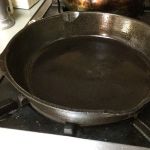 How to Refurbish a Cast Iron Skillet at Home: A Complete Guide
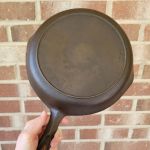 Best Products for Cast Iron Restoration Service: Top Tools and Products
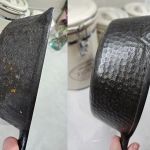 Simple At-Home Techniques for Cast Iron Restoration | Restore Your Cookware
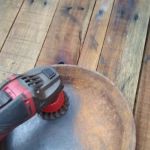 How to Restore Cast Iron at Home | A Complete Guide for Beginners
 How Long Does Cast Iron Skillet Refinishing Take? Realistic Timeline for Restoration
 What to Avoid When Attempting Cast Iron Refinishing: Common Mistakes to Watch Out For