
Does Your Cast Iron Need Cleaning or Restoration?
On this page
Quick answer
Your cast iron usually needs cleaning if it has stuck food, dull seasoning, or light residue. It may need restoration if it has active rust, flaking layers, sticky buildup that will not wash away, heavy odors, or an unknown vintage surface. Start with the least aggressive method, then move toward rust removal and reseasoning only when needed.
Fort Worth Refinishing / fort worth bathtub refinishing
2627 S Cooper St Suite E12, Arlington, TX 76015, USA
Cleaning versus restoration
Cleaning cast iron means removing food, grease, and light residue while keeping the existing seasoning mostly intact. Restoration means stripping problem layers, removing rust or carbonized buildup, and rebuilding a fresh seasoning layer.
The difference matters because over-restoring a usable skillet can waste time and remove good seasoning. Under-restoring a rusty or flaking pan can leave rough patches, poor cooking performance, and possible contamination from old residue.
Miracle Method of Tempe / miracle method of tempe
1635 W University Dr UNIT 126, Tempe, AZ 85281, USA
How to inspect the surface
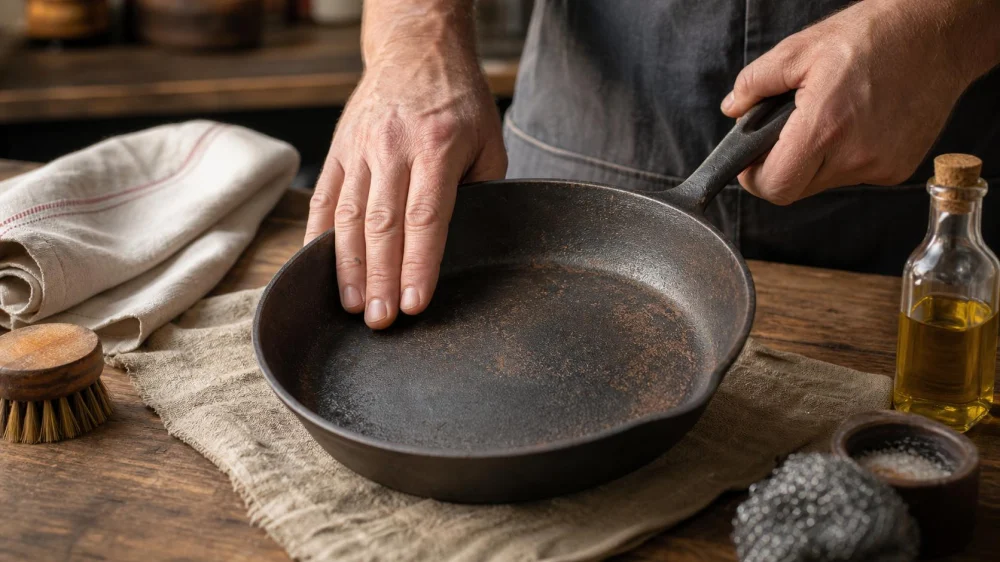
Place the pan under bright light and look at the cooking surface, sidewalls, handle, pour spouts, and bottom. A few cosmetic marks are normal. The concern is whether the surface is stable, cleanable, and suitable for cooking.
- Good seasoning: dark, mostly even, dry to the touch, and not peeling.
- Needs cleaning: stuck-on food, dull patches, mild grease, or light discoloration.
- Needs reseasoning: pale gray areas, dry metal patches, or a surface that lost its protective layer.
- Needs rust work: orange or red rust that transfers to a cloth or appears in pits.
- Needs deeper restoration: thick carbon buildup, flaking black layers, rancid smell, or unknown garage-sale residue.
- May be unsafe to use: cracks, severe warping, or damage that changes how the pan sits on the burner.
Decision guide
Use this simple rule: if the pan is dirty but stable, clean it. If bare iron is exposed, reseason it. If rust is active, remove the rust before seasoning. If old layers are peeling, sticky, or unknown, consider a more complete restoration.
A vintage skillet deserves extra patience. Maker marks, smooth cooking surfaces, and older casting details can be valuable to collectors, so avoid aggressive grinding or sanding unless you are certain the piece is not collectible.
Best for and not ideal for
This guide is best for beginners, thrift-store finds, inherited pans, and everyday skillets that do not cook the way they used to.
It is not ideal for identifying rare collectible value, repairing cracked cookware, handling unknown chemical exposure, or choosing a professional electrolysis setup. Those cases need experienced help.
Safe first steps
- Wash with warm water. Remove loose food and grease before deciding what comes next.
- Dry completely. Moisture left on cast iron can create new rust quickly.
- Wipe with a light oil film. A thin layer protects clean iron until you can season it.
- Avoid power tools at first. They can remove character, create uneven surfaces, or damage collectible pans.
- Test a small area. If residue lifts easily, you may not need full restoration.
When to get professional help
Consider professional cast iron refinishing if a pan has deep rust, thick baked-on carbon, sentimental value, collectible markings, or a surface you are not comfortable stripping yourself. A restoration service can also help when you have several pieces and want consistent results.
Important notes
- Do not use cast iron that is cracked or structurally damaged.
- Do not mix harsh chemicals casually; follow product directions and ventilation requirements if using any stripping product.
- Some vintage cookware may have collectible value before restoration.
- Seasoning is built in thin layers; heavy oil can become sticky instead of protective.
FAQ
Is a little rust on cast iron dangerous?
Light surface rust is common and often removable, but it should be cleaned off before cooking. Deep rust, unknown residue, or pitting may require more careful restoration.
Can I use soap on cast iron?
Modern mild dish soap is commonly used by many cast iron owners for routine cleaning. The key is to rinse, dry fully, and oil lightly afterward.
When should I strip a cast iron pan completely?
Consider stripping when old seasoning flakes, the surface smells rancid, heavy carbon hides the metal, or the pan’s history is unknown and ordinary cleaning does not solve the issue.
What if the pan has a wobble?
A small wobble may still be usable on some cooking surfaces, but severe warping can make heating uneven or unsafe. Evaluate it before investing time in restoration.
Evidence notes
This advice reflects common cast iron care practice: protect bare iron from moisture, remove active rust before seasoning, and build seasoning in thin oil layers. For rare cookware, collector guidance may matter as much as cooking performance.
Next steps
Inspect the pan in bright light, decide whether the problem is residue, exposed iron, rust, or failing layers, and choose the least aggressive method that solves that problem. If the piece is rare, cracked, deeply rusted, or sentimental, pause before stripping it and ask an experienced restorer.



 Maryland Countertop Solutions, LLC5.0 (6 reviews)
 Surface Raiders, LLC5.0 (7 reviews)
 Estkowski Builders5.0 (5 reviews)
 Bath Creations4.0 (71 reviews)
 Surface Designers Refinishing4.0 (42 reviews)
 Advanced Reglazing4.0 (39 reviews)
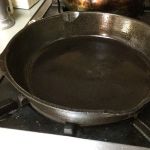 How to Refurbish a Cast Iron Skillet at Home: A Complete Guide
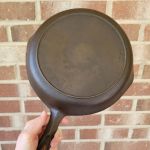 Best Products for Cast Iron Restoration Service: Top Tools and Products
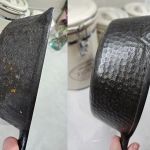 Simple At-Home Techniques for Cast Iron Restoration | Restore Your Cookware
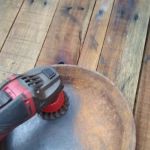 How to Restore Cast Iron at Home | A Complete Guide for Beginners
 How Long Does Cast Iron Skillet Refinishing Take? Realistic Timeline for Restoration
 What to Avoid When Attempting Cast Iron Refinishing: Common Mistakes to Watch Out For