
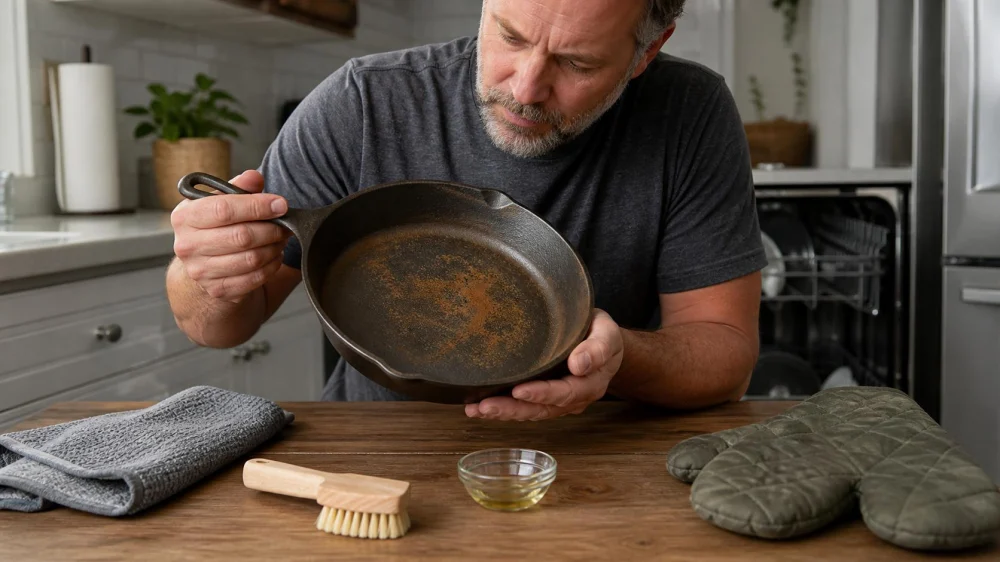
Cast Iron Went Through the Dishwasher: Dry, Inspect, and Reseason
A dishwasher cycle can strip or spot seasoning on bare cast iron, leave detergent residue, and start rust. The pan is not automatically ruined, but the response depends on whether it is bare seasoned iron or enamel-coated cookware. Let it cool, identify the surface, remove residue and rust with appropriate methods, dry completely, and rebuild protection in thin layers.
Identify the Surface
Bare cast iron usually has a dark seasoned surface, while enameled cast iron has a glass-like coating that may be colored or matte. Some lids and rims expose bare iron even when most surfaces are enameled. Check manufacturer instructions and model information. Do not season over enamel or use aggressive rust-removal methods that scratch a coating.

Surface Specialists of South Central MN / surface specialists mn
MankatoBlue Earth CountyMinnesota
436 Lyd Blvd, Mankato, MN 56001, USA
Unload Safely
Let the dishwasher and pan cool before lifting. Cast iron is heavy, and wet racks or floors increase slip risk. Support the cookware with two hands and place it on a sturdy towel or rack that will not be damaged by moisture. Remove it promptly after discovery rather than leaving it in the humid closed machine.
Miracle Method of Tempe / miracle method of tempe
1635 W University Dr UNIT 126, Tempe, AZ 85281, USA
Inspect the Damage
Look for orange flash rust, grey bare areas, sticky residue, flaking seasoning, chips, cracks, and rust at an enamel rim. A dull uneven bare-iron surface often needs cleaning and reseasoning. Deep cracks, loose enamel, sharp chips on food-contact areas, or structural damage require manufacturer or restoration guidance and may mean the cookware should no longer be used.
Remove Detergent Residue
Wash by hand with warm water, an appropriate small amount of dish soap, and a non-damaging brush or sponge. Rinse thoroughly. The goal is to remove dishwasher detergent and loose failed seasoning, not preserve a compromised layer at any cost. Avoid soaking. For enamel, use only methods approved for that coating and do not expose it to steel wool.
Treat Light Rust
For bare iron, gently scrub light surface rust with a suitable abrasive recommended for restoration, then wash and rinse again. Work evenly rather than grinding one spot. Extensive pitting, unknown coatings, collectible maker marks, or heavy rust may justify professional advice. Never mix cleaning chemicals, and ventilate appropriately when using any labeled rust treatment.
Dry Completely
Wipe the pan immediately and warm it gently on an approved burner or in an oven to evaporate remaining moisture, following cookware instructions. Stay present and use mitts. Do not overheat an empty pan or place wet iron over intense heat. Let no water hide beneath a lid knob, around a handle, or along an exposed enamel rim.
Apply a Thin Oil Layer
When bare iron is dry and safe to handle, apply a very small amount of suitable seasoning oil to every intended bare surface. Wipe repeatedly with a lint-free cloth until the pan looks nearly dry. Thick oil produces sticky, uneven seasoning. Do not oil enamel, wooden handles, or parts the manufacturer excludes from oven treatment.
Polymerize Safely
Use the temperature, duration, orientation, ventilation, and cooling process recommended for the cookware and chosen oil. Protect the oven appropriately without creating a fire hazard. Keep smoke alarms active and stay home. Handles or knobs may have lower temperature limits. If seasoning smokes excessively or oil pools, stop safely and review the amount and method.
Check the Result
After complete cooling, the bare surface should feel dry rather than wet or gummy. A single cycle may provide basic protection; normal cooking with adequate fat can continue building it. Wipe away any dust and inspect for remaining rust. If rust returns quickly, the pan smells chemically, or the coating flakes, pause use and seek product-specific help.
Prevent a Repeat
Store cast iron away from the dishwasher-loading path and tell household members how it is cleaned. A visible storage tag can say “hand wash,” but keep it off the pan during cooking. Hand wash promptly, dry fully, apply a light protective film when appropriate, and store with airflow. Keep manufacturer care instructions with the kitchen records.
For the first few meals after reseasoning, choose ordinary foods and enough cooking fat rather than a long acidic braise. Observe whether the surface stays dry, food releases normally, and rust remains absent after washing. Clean and dry promptly each time. If a metallic or chemical odour persists, residue appears on food, or the pan develops new flaking, stop cooking and reassess the cleaning and seasoning steps with reliable product guidance.
A dishwasher mistake is recoverable when the pan is identified and treated promptly. Cool and lift safely, wash away detergent, address surface rust, dry completely, and use thin seasoning layers only on bare iron. Enamel damage and structural cracks need a different decision than ordinary seasoning loss.



 Iron Rock Design & Build LTD.4.0 (31 reviews)
 Wood Street Cabinet- Showroom4.0 (21 reviews)
 Heritage Kitchens5.0 (12 reviews)
 BDS Design Build Remodel4.0 (32 reviews)
 GKpro - Renovation and Handyman services5.0 (5 reviews)
 Miracle Method of Houston North5.0 (3 reviews)
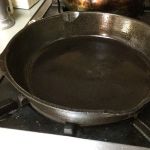 How to Refurbish a Cast Iron Skillet at Home: A Complete Guide
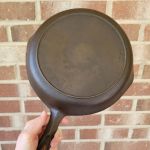 Best Products for Cast Iron Restoration Service: Top Tools and Products
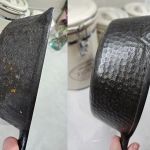 Simple At-Home Techniques for Cast Iron Restoration | Restore Your Cookware
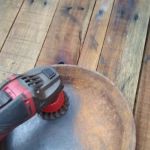 How to Restore Cast Iron at Home | A Complete Guide for Beginners
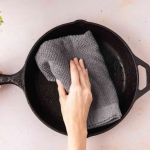 How Long Does Cast Iron Skillet Refinishing Take? Realistic Timeline for Restoration
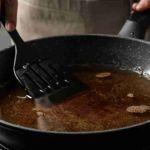 What to Avoid When Attempting Cast Iron Refinishing: Common Mistakes to Watch Out For