
Cast Iron After a Grease Fire: Cool, Inspect, and Restore
On this page
- Quick answer
- Respond to the fire, not the pan
- Let the cookware cool in place
- Inspect before restoration
- Identify smoke and extinguisher residue
- Clean bare seasoned cast iron
- Rebuild the cooking surface
- When to retire or escalate
- Recovery checklist
- Frequently asked questions
- Sources and evidence notes
- Conclusion and next steps
Quick answer
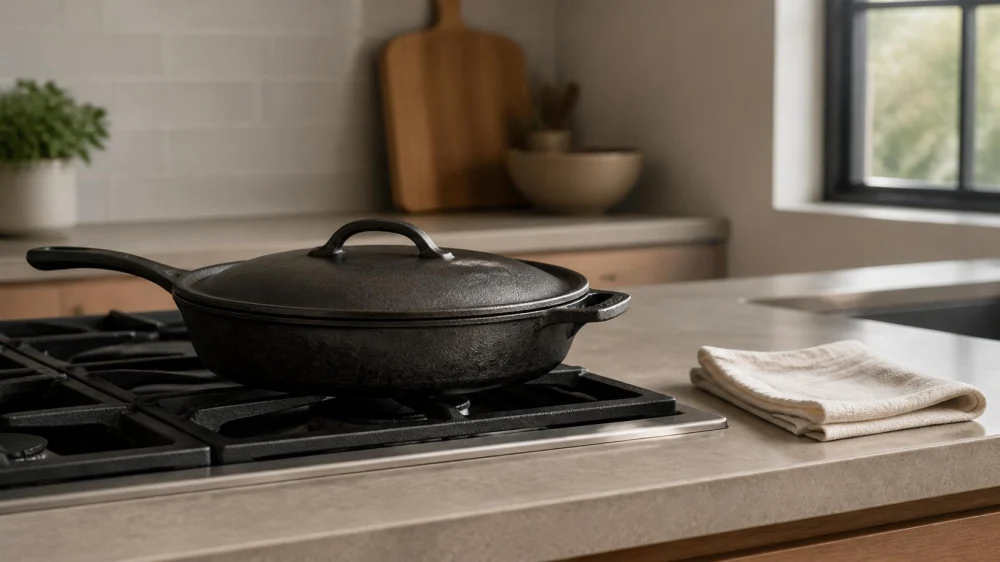
During a grease fire, protect people first. For a small fire confined to a pan, the U.S. Fire Administration advises sliding a lid over the pan, turning off the burner, not moving the pan, and leaving the lid in place until it is cool. Never pour water on burning grease. If the fire spreads, smoke blocks the exit, or you are unsure it is safe, get out, stay out, and call 911.
After the incident is fully over, allow cast iron to cool naturally. Discard exposed food, identify any firefighting chemicals, and inspect the pan for cracking, warping, or damaged handles before cleaning. Restoration is reasonable only when the cookware remains structurally sound and the food-contact surface can be cleaned completely.

Chicago Odorless Bathtub Refinishing / eco tub restoration
3236 W Eastwood Ave, Chicago, IL 60625, USA
Respond to the fire, not the pan
Do not carry a burning skillet to the sink or outdoors. Moving hot grease can spread flames and cause severe burns. Keep a fitted lid nearby whenever frying. If a very small pan fire can be covered without reaching through flames, slide the lid on from the side and shut off the heat. Leave it covered until completely cool so oxygen does not restart the fire.
Do not use water, flour, or a wet towel. Use a fire extinguisher only when you are trained, have the correct type, the fire is small, everyone else is leaving, and you have a clear escape route. Otherwise evacuate and call 911.

Miracle Method Surface Refinishing / miracle refinish tubs
Santa RosaSonoma CountyCalifornia
3200 Dutton Ave Suite #325, Santa Rosa, CA 95407, USA
Let the cookware cool in place
Cast iron retains heat long after flames disappear. Treat the pan, lid, handles, burner grate, and nearby surfaces as hot. Keep children and pets away and do not remove the lid to check prematurely.
Never carry a very hot pan to cold water. Lodge warns that thermal shock from putting very hot cast iron into cold water can warp or crack it. Let the cookware cool at room temperature after the fire department or responsible authority confirms the area is safe.
Inspect before restoration
In bright light, check the rim, handle roots, helper handle, bottom, sidewall, and lid for new cracks, missing metal, severe scaling, or deformation. Set a cool skillet on a known flat surface and note a new wobble without forcing it flat. Compare with pre-fire photos if available.
Examine enameled cast iron separately. Chips, crazing, blistering, exposed iron, or glassy flakes on the cooking surface need manufacturer guidance; do not treat enamel like bare seasoned iron or attempt to grind it smooth.
Identify smoke and extinguisher residue
Discard food exposed to heat, smoke, or firefighting chemicals. The U.S. Department of Agriculture notes that chemicals used to fight a fire can contaminate food and cookware. Photograph and identify the extinguisher type from its label or service record before cleanup.
USDA guidance says cookware exposed to firefighting chemicals can be decontaminated by washing with soap and hot water and then sanitizing with its specified unscented bleach solution. Material and manufacturer instructions still matter: prolonged soaking and bleach can damage seasoning or metal, and an unknown industrial suppressant may require specialist advice. If residue remains in pits, cracks, seams, or an inaccessible handle, retire the item from food use.
Clean bare seasoned cast iron
Once cool, remove loose debris with a non-shedding brush or scraper. Wash by hand with hot water and a small amount of mild dish soap. Scrub every food-contact and exterior surface until it is clean to sight, touch, and smell. Do not mix cleaning chemicals.
Rinse thoroughly and dry at once with clean towels, then warm gently to remove residual moisture. A grease fire may leave the seasoning dull, sticky, blistered, or flaky. Remove unstable coating rather than trapping smoke residue beneath new oil.
Rebuild the cooking surface
For sound bare iron that is fully clean, apply an extremely thin film of plain cooking oil to all surfaces and wipe until the pan looks nearly dry. Bake or heat it only by a method approved for that cookware, with good ventilation and continuous supervision. Several thin layers perform better than one heavy, sticky coat.
Do not reseason until extinguisher powder, soot, detergent, and odor are gone. The first post-restoration cook should be simple and closely supervised. Stop if the pan develops an unusual odor, flakes, cracks, or sits unstably.
When to retire or escalate
Do not cook with a cracked, severely warped, unstable, or incompletely cleaned pan. Retire enameled cookware with uncertain food-surface damage pending manufacturer advice. Also escalate when the fire reached cabinets, walls, wiring, a range hood, a gas connection, or the appliance controls.
A fire-department clearance addresses the emergency; it does not certify cookware or appliances. Have the cooking appliance and ventilation system inspected when heat, smoke, extinguishing chemicals, or water entered components.
Recovery checklist
- Cover only a small contained pan fire when safe.
- Turn off heat and leave the lid on.
- Never add water or move the burning pan.
- Evacuate and call 911 if the fire spreads or safety is uncertain.
- Let cast iron cool naturally.
- Discard exposed food and identify extinguisher chemicals.
- Inspect cracks, warping, handles, and enamel.
- Wash, rinse, dry, and remove unstable seasoning.
- Reseason only structurally sound, fully clean bare iron.
- Inspect affected appliances and building components.
Frequently asked questions
Can a cast-iron skillet survive a grease fire?
Some bare iron can be restored, but survival depends on heat, cooling, shape, cracking, and contamination. Inspect before reuse.
Should I pour baking soda into the pan?
Do not improvise during a fire. Follow USFA fire-response guidance and use an extinguisher only when trained with a clear escape.
Can I wash the hot pan immediately?
No. Cold water on very hot iron can cause thermal shock and injury.
Is extinguisher powder toxic?
Products differ. Identify the agent, follow its safety data and cleanup instructions, and use USDA food-surface guidance where applicable.
What if the seasoning turned gray?
Color alone is less important than a clean, dry, stable surface. Strip loose residue and rebuild thin seasoning layers.
Can I reuse the grease or food?
No. Discard food exposed to fire, smoke, heat, or firefighting chemicals.
Sources and evidence notes
The U.S. Fire Administration cooking-safety guidance says to slide a lid over a small grease fire, turn off the burner, avoid moving the pan, and leave it covered until cool. The USDA’s emergency food-safety guidance addresses food and cookware exposed to fire and firefighting chemicals.
Lodge’s cast-iron care guide warns against cold water on very hot cast iron because thermal shock can warp or crack it. Follow the instructions for the actual cookware and extinguisher.
Conclusion and next steps
Handle the emergency first, then cool the covered pan without moving or shocking it. Restore only sound cookware that can be cleaned completely, and keep enameled, cracked, warped, or uncertain pieces out of service. Before cooking again, address the cause of the fire and inspect any affected appliance or building component.



 DNG Drywall & Remodeling5.0 (12 reviews)
 Zigman Remodeling & Construction Inc.4.0 (12 reviews)
 Proglaze Resurfacing Inc.3.0 (9 reviews)
 Amazing Cabinet Refinishing5.0 (4 reviews)
 Boss Bath Remodeling5.0 (7 reviews)
 ADS Building and Remodeling Inc5.0 (28 reviews)
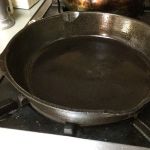 How to Refurbish a Cast Iron Skillet at Home: A Complete Guide
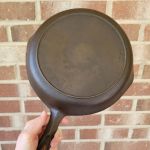 Best Products for Cast Iron Restoration Service: Top Tools and Products
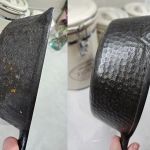 Simple At-Home Techniques for Cast Iron Restoration | Restore Your Cookware
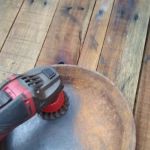 How to Restore Cast Iron at Home | A Complete Guide for Beginners
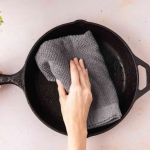 How Long Does Cast Iron Skillet Refinishing Take? Realistic Timeline for Restoration
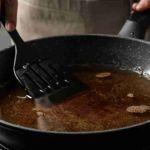 What to Avoid When Attempting Cast Iron Refinishing: Common Mistakes to Watch Out For