
Cast Iron and Acidic Foods: Timing, Flavor, and Care
On this page
Quick answer
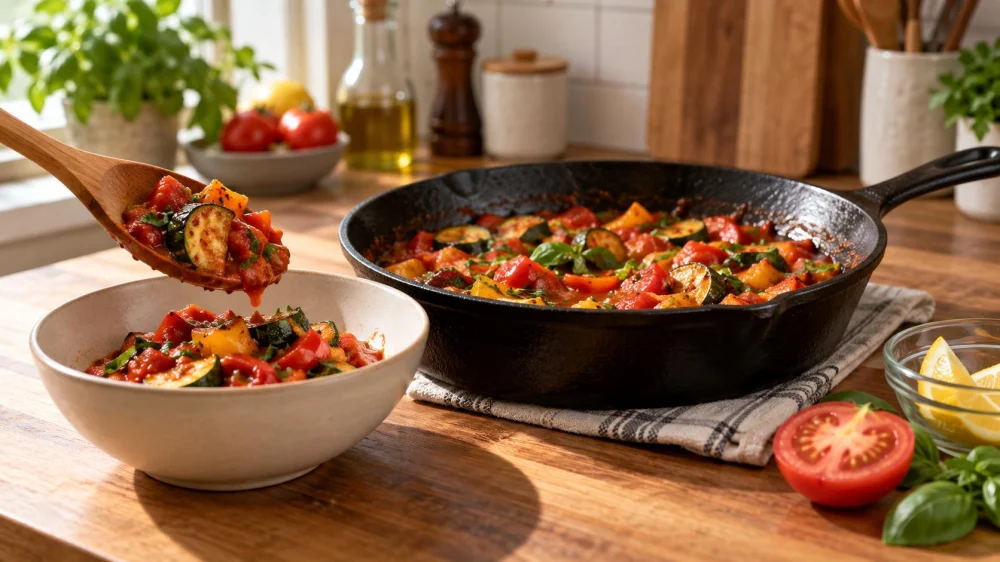
Short contact with tomatoes, citrus, wine, or vinegar can be reasonable in a well-seasoned bare cast iron pan, but long simmering is more likely to weaken the seasoning or add a metallic flavor. Check the surface first, move finished food promptly, then wash, dry, and apply a very thin film of oil.

America Refinishing Pros / america refinishing pros
9510 SW 137th Ave, Miami, FL 33186, USA
What acidic food can do to cast iron
Acidic food is food with ingredients such as tomatoes, citrus juice, wine, or vinegar that can react with an exposed iron surface. A sound seasoning layer creates a useful barrier, but it is not the same as a permanent, nonreactive coating.
The result depends on the pan, the recipe, and time. A quick deglaze or a brief tomato finish is different from holding tomato sauce in bare cast iron for hours. New seasoning, worn patches, and freshly restored surfaces generally need more caution than a smooth pan with an established finish.
A metallic taste, dull gray food, or a visibly faded cooking surface is a reason to stop, transfer the food, and inspect the pan. These signs do not automatically mean the cookware is ruined; they indicate that cleaning and seasoning maintenance may be needed.

Carefree Koatings / miracle method louisville ky
8919 Renetta Ct, Cincinnati, OH 45251, USA
Check the pan before cooking
- Identify the surface. Bare seasoned iron and intact enameled cast iron behave differently. Do not treat damaged enamel as bare iron.
- Look for active rust. Orange residue, rough rust spots, or moisture trapped around a lid needs attention before food preparation.
- Check the seasoning. A dry, even, dark surface is a better candidate than a patchy, sticky, or flaking one.
- Read the recipe. Note the acidic ingredient, when it enters the pan, and how long it will remain hot.
- Prepare a transfer container. Do not plan to cool or refrigerate the finished meal in bare cast iron.
Use a practical cooking plan
- Preheat gradually. Use moderate heat and allow the heavy pan to warm evenly.
- Cook nonacidic ingredients first. Brown meat or vegetables before adding tomato, wine, citrus, or vinegar when the recipe permits.
- Add acid near the end. Shorter exposure is a sensible choice for bare cast iron, especially after restoration or reseasoning.
- Taste without scraping aggressively. Use a suitable utensil and watch for a sudden metallic note.
- Transfer promptly. Move the meal to glass, ceramic, stainless steel, or another appropriate serving or storage container.
This plan is best for quick pan sauces, a small tomato component, or a brief vinegar finish. It is not ideal for long tomato braises, citrus-heavy reductions, pickling mixtures, or recipes that must sit in the cooking vessel.
Clean and inspect after the meal
Let the pan cool enough to handle safely, but do not leave acidic residue on the surface. Wash according to the cookware maker's directions. Use warm water, a nonabrasive tool, and a small amount of mild dish soap when appropriate. Avoid soaking bare cast iron.
Dry the pan completely over gentle heat or with thorough towel drying. While it is dry and slightly warm, apply a very thin layer of suitable cooking oil and wipe away the visible excess. The surface should not feel wet or tacky.
Inspect the pan under good light. If food exposed pale iron, created widespread dull areas, or loosened old material, pause regular cooking and repair the seasoning before the next use. If a restored pan repeatedly changes flavor or color, a professional restorer can help evaluate the surface and intended food use.
When to choose another pan
Choose stainless steel, intact enamel, glass, or another recipe-appropriate nonreactive vessel when the food will simmer for a long time, contains a large proportion of acid, must be stored after cooking, or the seasoning is new or uncertain. This avoids turning dinner into an unplanned seasoning test.
An intact enameled cast iron vessel is often suitable for acidic braises because the food contacts the enamel rather than bare iron. Follow the manufacturer instructions, and stop using the vessel if the cooking surface is chipped, cracked, or otherwise compromised.
Important notes and limits
This guide is for routine home cooking with cookware that is already considered suitable for food. It does not establish whether an antique or heavily restored pan is food-safe. Unknown coatings, deep corrosion, cracks, fire damage, damaged enamel, or possible contamination require a separate evaluation before cooking.
Food safety still depends on the recipe, ingredients, cooking temperature, handling, and storage. The choice of pan does not replace safe cooking and refrigeration practices. When instructions from the cookware maker conflict with general guidance, follow the maker's care directions.
Frequently asked questions
Can I cook tomatoes in a newly seasoned skillet?
A brief tomato component may work, but a newly seasoned surface has less history and may be easier to disturb. Start with shorter contact, transfer the food promptly, and inspect the finish afterward. Use a nonreactive pan for a long sauce.
Does a metallic taste mean the pan is unsafe?
A metallic taste can indicate contact with exposed iron or weakened seasoning. Stop serving from the pan, transfer the food, and inspect the surface. If contamination, an unknown coating, or serious corrosion is possible, do not rely on taste alone; obtain qualified advice.
Can acidic leftovers stay in cast iron overnight?
Do not use bare cast iron as a storage container. Transfer leftovers to a clean food-storage container and refrigerate them within the time required by current food-safety guidance.
Should I reseason after every acidic recipe?
Not necessarily. Clean, dry, and inspect the pan. If the surface remains even and food releases normally, a light maintenance coat may be enough. Patchy, pale, rough, or flaking areas need more attention.
Sources and evidence notes
This guidance reflects common cookware-care principles: acids are reactive, seasoning is a maintained layer, prolonged contact increases the opportunity for reaction, and bare cast iron should be dried promptly. Confirm details with the pan manufacturer's current care instructions. For handling leftovers and cooking temperatures, use current United States food-safety guidance rather than cookware advice alone.
Next steps
Before starting, identify whether the cooking surface is bare iron or enamel, inspect its condition, and estimate how long the acidic ingredient will touch it. For short contact in sound seasoning, cook, transfer, clean, dry, and inspect. For long simmering or an uncertain surface, choose a nonreactive vessel.




 OKay Home Renovation and House Painters5.0 (4 reviews)
 OKC Renovations5.0 (26 reviews)
 BathPlanet of Oklahoma4.0 (5 reviews)
 TLC Renovation4.0 (48 reviews)
 The Tile Genie4.0 (9 reviews)
 Mendoza's Quality5.0 (36 reviews)
 How to Refurbish a Cast Iron Skillet at Home: A Complete Guide
 Best Products for Cast Iron Restoration Service: Top Tools and Products
 Simple At-Home Techniques for Cast Iron Restoration | Restore Your Cookware
 How to Restore Cast Iron at Home | A Complete Guide for Beginners
 How Long Does Cast Iron Skillet Refinishing Take? Realistic Timeline for Restoration
 What to Avoid When Attempting Cast Iron Refinishing: Common Mistakes to Watch Out For