
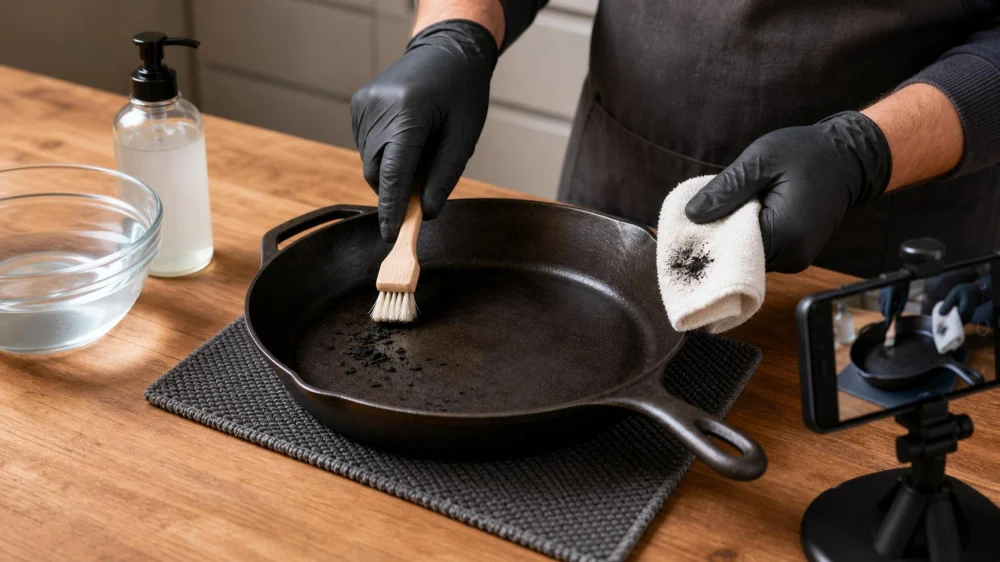
Black Flakes on Cast Iron: Stop, Clean, and Inspect
Black specks or sheets coming from a cast iron pan may be loose seasoning, carbonized food, burned oil, residue from storage, or an unknown coating. Colour alone cannot identify them. Stop cooking, discard food that contains unknown flakes, let the pan cool, clean it to a stable surface, and inspect the iron before reseasoning or returning it to use.
Quick answer
Stop using the pan when black material flakes into food or wipes off in unstable sheets. Cool it fully, photograph the surface, and wash with warm water, dish soap, and a non-damaging brush or scrubber. Remove loose residue without gouging the iron, rinse, dry promptly, and inspect for remaining coating, rust, cracks, pitting, or unknown contamination. Reseason only bare or previously seasoned cast iron that is known to be food-safe.
Fort Worth Refinishing / fort worth bathtub refinishing
2627 S Cooper St Suite E12, Arlington, TX 76015, USA
Understand possible sources
Loose seasoning can form when thick oil layers cure unevenly, old layers lose adhesion, or the surface was not clean before seasoning. Carbonized food and grease can build into a dark crust that later breaks away. Storage residue can include dust, soot, pest contamination, wax, paint, or oils never intended for food contact.
Bare cast iron itself does not normally peel in flexible sheets. Enameled cast iron can chip or shed coating and should not be treated like a seasoned bare pan. A vintage pan may have been used for melting lead, holding chemicals, catching motor oil, decoration, or other non-food purposes.
Do not decide from one photo that every black flake is harmless seasoning. Identify the pan’s surface and history first.
Chicago Odorless Bathtub Refinishing / eco tub restoration
3236 W Eastwood Ave, Chicago, IL 60625, USA
Stop and document the surface
Turn off the heat and move the pan only with appropriate dry protection when safe. Let it cool on a stable heat-resistant surface. Do not pour cold water into a very hot pan; rapid temperature change can cause severe steam and thermal shock.
Discard food containing unknown coating or debris rather than picking flakes out. Photograph the cooking surface, underside, sidewalls, lid, handle, maker marks, and any area where layers lift. Note what food, oil, temperature, and utensil were used.
If the material is glossy, brightly coloured, rubbery, metallic, or associated with a chemical odour, stop restoration until the coating is identified by the manufacturer or a qualified professional.
Clean without hiding the problem
For known bare seasoned cast iron, begin with warm water, ordinary dish soap, and a nylon brush or non-scratching scrubber. Modern dish soap can remove soil without automatically stripping sound seasoning. Focus on material that releases with normal cleaning.
For stubborn cooked-on food, follow the pan maker’s method. A brief warm-water soak or gentle scraper may be appropriate, but long soaking encourages rust. Do not use oven cleaner, lye, electrolysis, a fire, self-cleaning oven cycle, grinder, or power wire wheel without a controlled restoration plan and appropriate hazard training.
Rinse away soap and debris, then dry promptly with a towel and gentle heat while supervising the pan. Do not oil over loose particles; oil can glue debris into the next layer.
Inspect the stable surface
After cleaning and drying, wipe the pan with a clean light-coloured cloth. A small grey trace from bare iron can differ from visible flakes or greasy black residue. Continue gentle cleaning if loose material remains.
Check for:
- cracks through the base, wall, handle, or handle attachment;
- chipped or crazed enamel;
- deep rust scale or sharp pitting;
- warping that makes the pan unstable;
- unknown paint, plating, repair compound, or solder;
- chemical, rancid, fuel, or other persistent odour;
- a surface that continues shedding after cleaning.
Retire or professionally evaluate a pan with structural damage, unknown coatings, or uncertain non-food history.
Reseason only after identification
Reseasoning is appropriate for clean, dry, bare or patchy seasoned cast iron that is structurally sound and known to be for cookware. Apply an extremely thin film of an appropriate cooking oil, wipe until the surface looks nearly dry, and follow the manufacturer’s temperature, time, and ventilation instructions.
Do not season enamel, painted decoration, a nonstick coating, or an unidentified metal finish. Do not use motor oil, linseed finishing products that are not sold for culinary use, or other non-food oils.
One or two thin, well-cured layers are more stable than a thick glossy coat. Let the pan cool safely and check for tackiness, odour, or renewed flaking before cooking.
Prevent loose buildup
- Clean food residue after each use rather than baking it into the surface.
- Dry the entire pan, including handle, helper handle, rim, lid, and underside.
- Apply only a trace of oil after cleaning when needed.
- Avoid repeated layers over sticky, dirty, or wet seasoning.
- Use utensils and cleaning tools appropriate to the surface.
- Store in a dry place with airflow and the lid slightly separated.
- Inspect after long storage before putting food in the pan.
Regular cooking with moderate heat and normal cleaning can build a more stable surface than frequent heavy oiling.
Food-contact and restoration limits
The FDA Food Code’s equipment principles emphasize food-contact materials that are safe, durable, cleanable, and resistant to chipping and decomposition; it recognizes cast iron for cooking surfaces. Household restoration still depends on the pan’s actual history and condition.
This article cannot identify a flake or verify that vintage metal is free of lead, chemicals, or unsuitable repairs. Do not cook in decorative, industrial, unknown-use, or coated cast iron until qualified evaluation confirms it is appropriate for food contact. Keep restoration chemicals and abrasive dust away from kitchens, food, children, and pets.
Frequently asked questions
Are black flakes just iron?
Usually peeling sheets are seasoning or residue rather than the iron itself, but appearance alone cannot identify them. Clean and inspect.
Is dish soap safe for cast iron?
Ordinary dish soap and gentle scrubbing are generally suitable for cleaning known bare seasoned cast iron. Avoid long soaking and dry promptly.
Can I season over the flakes?
No. Remove unstable material and clean the surface first. New oil will not make a poorly bonded layer sound.
Should I use a grinder to make the pan smooth?
Not as a routine response. Grinding can alter the pan, create hazardous dust, erase marks, and hide damage. Use a qualified restoration plan.
Next steps
Stop cooking, discard affected food, cool the pan, and photograph its condition. Identify bare versus enameled or coated iron and review its history. Clean gently to a stable surface, inspect for damage and unknown materials, then reseason only verified bare cookware. When identity or safety remains uncertain, retire the pan from food use or seek expert evaluation.



 GFR Bathtub Refinishing5.0 (4 reviews)
 Reglazing bath5.0 (36 reviews)
 Bath Flip4.0 (176 reviews)
 Royal Craft Home Remodelers Inc.5.0 (76 reviews)
 Basement & Home Remodeling Contractors5.0 (33 reviews)
 Prime Baths and Home Solutions Of Illinois4.0 (183 reviews)
 How to Refurbish a Cast Iron Skillet at Home: A Complete Guide
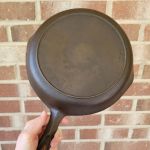 Best Products for Cast Iron Restoration Service: Top Tools and Products
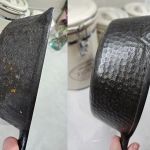 Simple At-Home Techniques for Cast Iron Restoration | Restore Your Cookware
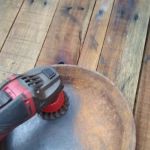 How to Restore Cast Iron at Home | A Complete Guide for Beginners
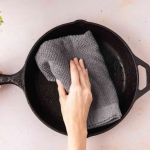 How Long Does Cast Iron Skillet Refinishing Take? Realistic Timeline for Restoration
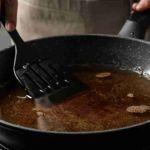 What to Avoid When Attempting Cast Iron Refinishing: Common Mistakes to Watch Out For