
Bare vs Enameled Cast Iron: Identify the Surface Before Cleaning
On this page
Quick answer
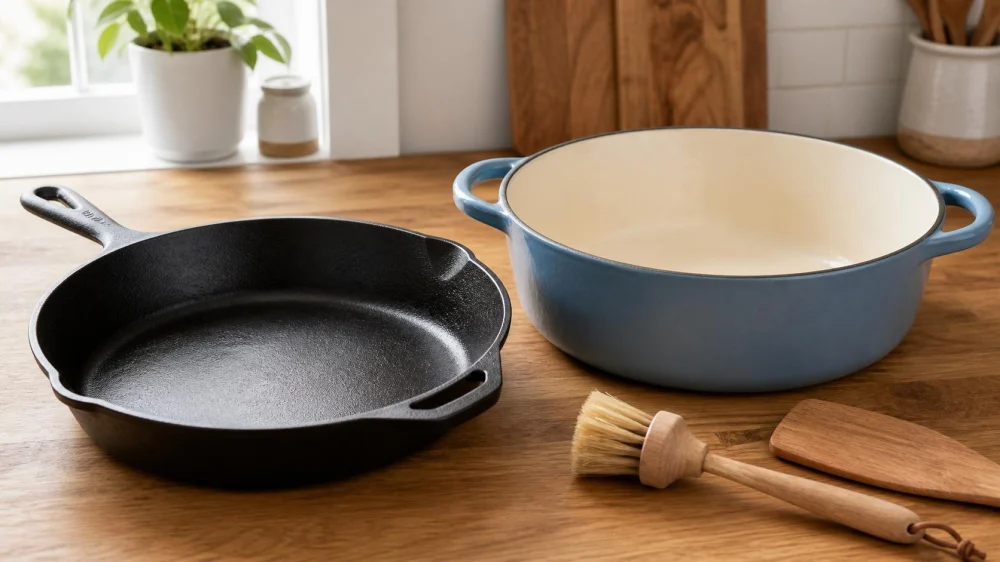
Bare cast iron has an exposed iron cooking surface protected by seasoning, while enameled cast iron has a glass-like coating fused to the metal. Bare iron can rust and may be stripped and reseasoned. Enamel does not need seasoning and can be scratched, chipped, crazed, or damaged by restoration methods intended for bare metal. Identify every surface—including black interior enamel—before using abrasives, chemicals, high heat, or power tools.
If the finish is unknown or chipped where food contacts it, stop using the piece until the manufacturer or a qualified cookware-restoration professional assesses it.

Carefree Koatings / miracle method louisville ky
8919 Renetta Ct, Cincinnati, OH 45251, USA
Identify the cooking surface
Bare iron usually has a dark matte-to-satin surface whose colour and texture come from iron and seasoning. Enameled cookware often has a smooth coloured exterior and light interior, but some pieces use dark matte enamel inside, which can resemble seasoned iron.
- Look for manufacturer markings and care instructions.
- Compare the rim, underside, interior, and any worn edges.
- Do not scratch the surface to test it.
- Do not rely on a magnet; both types contain cast iron.
- Use age and appearance only as clues, not proof.
Care for bare cast iron
Clean ordinary residue with hot water, a suitable brush or scraper, and a modest amount of dish soap when needed. Dry promptly and apply a very thin protective oil film if the seasoning needs it. Bare iron with rust or failed seasoning can often be restored, provided it is structurally sound.
Restoration intensity should match the condition. Avoid unnecessary stripping when the existing surface is stable and clean.

Miracle Method Surface Refinishing / miracle bathtub refinishing
Santa RosaSonoma CountyCalifornia
3200 Dutton Ave Suite #325, Santa Rosa, CA 95407, USA
Care for enameled cast iron
Let hot enameled cookware cool before washing to reduce thermal-shock risk. Use the maker's recommended detergent and non-scratching tools. Soaking and gentle cleaning may loosen residue, but avoid steel tools, aggressive abrasives, impacts, empty high-heat exposure, and rapid temperature changes unless instructions explicitly allow them.
Do not season enamel like bare iron. A greasy baked-on film can make the surface harder to assess and clean.
Check damage before restoration
- Inspect for cracks in the cast body.
- Look for enamel chips, sharp edges, flaking, or exposed metal.
- Distinguish surface staining from missing coating.
- Check handles, knobs, and lid rims for damage.
- Photograph the piece before cleaning.
Cracked cast iron and actively flaking food-contact enamel are not routine cleaning problems. Retire the piece from cooking until it is professionally evaluated.
Handle an unknown finish
Pause before using lye, electrolysis, self-cleaning ovens, blasting, sanding, or wire wheels. Some methods used by experienced restorers on suitable bare iron can permanently destroy enamel, plated surfaces, decorative finishes, or collectible value.
Search the exact maker mark, pattern, model, and reliable manufacturer guidance. If identification remains uncertain, request an assessment with clear photos of the interior, exterior, bottom, rim, and marks.
Important limitations
This is general cookware information. Vintage finishes, plated cast iron, ceramic coatings, painted exteriors, and specialty treatments may not fit a simple bare-versus-enamel classification. Follow manufacturer instructions and qualified restoration advice. Food-contact safety cannot be confirmed from a photo alone.
Evidence notes
The distinction is material-based: seasoning is an oil-derived protective layer on exposed iron, while enamel is a glass-like coating. Because their failure modes differ, correct identification must come before cleaning or restoration method selection.
FAQ
Can black enamel look like bare cast iron?
Yes. Check the model and manufacturer instructions rather than judging colour alone.
Does enameled cast iron need seasoning?
No. Follow its cleaning and use instructions.
Can bare cast iron use dish soap?
A modest amount of modern dish soap is generally compatible with stable seasoning; dry promptly.
Can chipped enamel be repaired at home?
Food-contact enamel repair is not a routine DIY fix. Seek manufacturer or professional guidance.
Can both types rust?
Bare iron can rust directly; enameled pieces can rust where iron is exposed at rims, chips, or damaged areas.
Next steps
Photograph the cookware, record all maker marks, identify the exact surface, check for structural or enamel damage, and choose only the cleaning method approved for that finish.


 Mia Rao Design5.0 (10 reviews)
 Kansas City Remodel4.0 (41 reviews)
 Home Fixers4.0 (118 reviews)
 ABA Home Remodeling Contractors4.0 (44 reviews)
 Palm Coast Bathroom, Kitchen, Home Remodeling, Whole-House Construction, Renovations, Designs5.0 (1 reviews)
 ALEXA GRANITE5.0 (67 reviews)
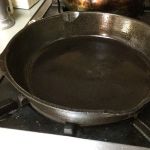 How to Refurbish a Cast Iron Skillet at Home: A Complete Guide
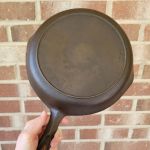 Best Products for Cast Iron Restoration Service: Top Tools and Products
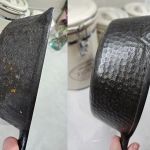 Simple At-Home Techniques for Cast Iron Restoration | Restore Your Cookware
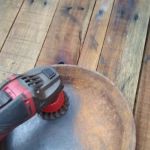 How to Restore Cast Iron at Home | A Complete Guide for Beginners
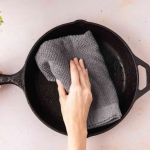 How Long Does Cast Iron Skillet Refinishing Take? Realistic Timeline for Restoration
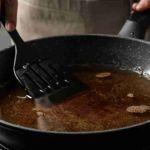 What to Avoid When Attempting Cast Iron Refinishing: Common Mistakes to Watch Out For