
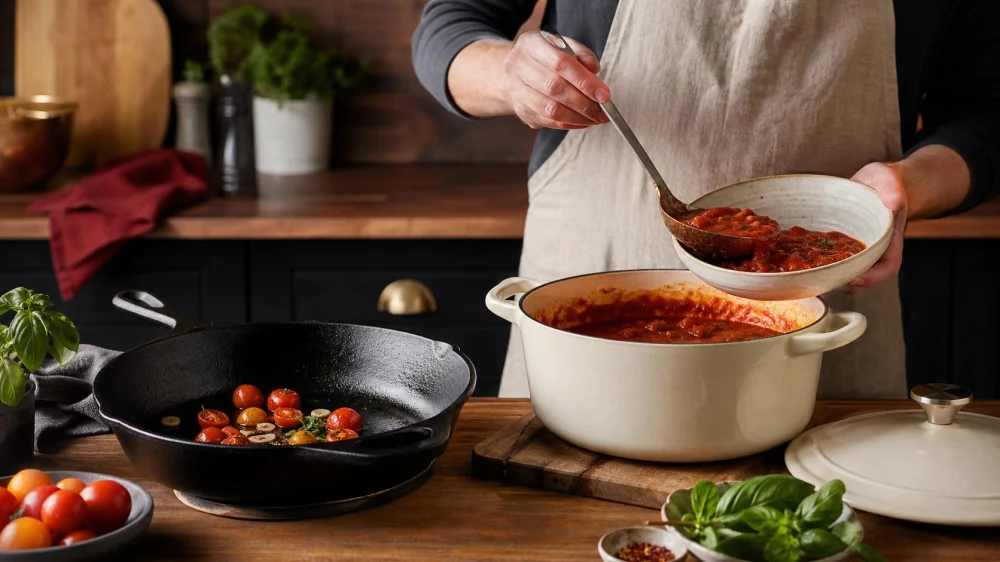
Acidic Foods in Cast Iron: Protect Flavor and Seasoning
On this page
Quick answer
Short cooking with mildly acidic ingredients can work in a well-seasoned bare cast-iron pan, but long simmering, storage, or a weak seasoning layer may produce metallic flavor and strip the surface. Enameled cast iron is usually better for long tomato, wine, vinegar, or citrus recipes when its coating is intact. Remove food promptly, wash by the product’s method, dry completely, and inspect before the next use.
Do not cook in bare cast iron with unknown coatings, severe rust, cracks, or questionable vintage contamination until the cookware is properly evaluated.

Miracle Method Surface Refinishing / miracle refinish tubs
Santa RosaSonoma CountyCalifornia
3200 Dutton Ave Suite #325, Santa Rosa, CA 95407, USA
Why acidity matters
Acids can react with exposed iron and weaken some seasoning, particularly when cooking time is long or the surface is new, thin, or damaged. The result may include dull patches, darkened food, iron flavor, or a surface that needs renewed seasoning.
Recipe acidity is not the only variable. Heat, time, liquid volume, stirring, pan condition, and whether food sits after cooking all influence the outcome.

America Refinishing Pros / america refinishing pros
9510 SW 137th Ave, Miami, FL 33186, USA
Choose the right pan
- Well-seasoned bare cast iron: suitable for many brief sautés and quick sauces with modest acidity.
- Newly seasoned or patchy bare iron: use a less reactive pan while the surface develops.
- Intact enameled cast iron: generally suited to longer acidic braises and sauces under its manufacturer instructions.
- Chipped enamel: stop and follow manufacturer guidance; do not treat the exposed area like ordinary bare cast iron.
- Unknown vintage surface: identify and assess it before food use.
Cook with control
- Inspect the pan for rust, cracks, loose residue, and enamel damage.
- Preheat gradually and add appropriate cooking fat.
- Add acidic ingredients later when the recipe allows.
- Use moderate heat and avoid unnecessary simmer time.
- Taste with a clean utensil and watch for metallic flavor.
- Transfer the finished food to a serving or storage container promptly.
- Never refrigerate leftovers in bare cast iron.
If a dish needs hours of tomato, wine, or vinegar, choose intact enamel, stainless steel, or another compatible nonreactive vessel.
Clean after cooking
Let the pan cool enough for safe handling without leaving acidic sauce in it. Avoid thermal shock from cold water on very hot iron. Wash using warm water, a non-damaging brush or scraper, and a small amount of compatible dish soap if desired and allowed by the maker.
Rinse, dry immediately, and warm gently to remove remaining moisture. For bare iron, apply only a very thin film of seasoning oil when the surface needs it. Enameled cookware should follow its own care instructions and does not need seasoning on the enamel.
Check the surface
After cleaning, look for orange rust, gray bare areas, sticky oil, flaking material, cracks, or changes in enamel. A little dullness may reflect seasoning wear; loose flakes or damaged enamel need a more cautious response.
Wipe a cool, dry bare pan with a clean light cloth. Persistent loose residue, strong rancid odor, or rough rust should be addressed before cooking again.
If seasoning looks damaged
For sound bare cast iron, remove any rust with a cookware-appropriate method, wash, dry, and apply a thin seasoning layer according to reliable manufacturer guidance. Several thin, fully cured layers are better than one thick sticky coat.
Do not grind, power-sand, or heat an unknown vintage coating. Do not attempt to season over chipped interior enamel. Cracked iron and sharp or flaking enamel may make cookware unsuitable for use.
Frequently asked questions
Can I cook tomato sauce in cast iron?
Brief cooking may work in well-seasoned bare iron; long simmering is better in intact enamel or another nonreactive pan.
Why did the sauce taste metallic?
Acid may have contacted exposed iron. Transfer the food and inspect the seasoning.
Does soap ruin cast-iron seasoning?
A small amount of modern dish soap is commonly compatible with sound seasoning, but follow the cookware maker’s guidance.
Can I store chili in the pan overnight?
Transfer food promptly. Bare iron is not a storage container, especially for acidic dishes.
Is black food discoloration dangerous?
Appearance alone cannot establish safety. Stop, inspect the pan and ingredients, and seek expert advice when the surface is unknown or damaged.
Sources and evidence notes
This guide reflects common cookware chemistry and care: acid exposure depends on time and surface condition, intact enamel separates food from iron, and prompt transfer and drying protect cookware. Exact limits vary by recipe, seasoning, enamel, and manufacturer.
Use current manufacturer instructions and food-safety guidance for the cookware and dish.
Conclusion and next steps
Match the pan to the recipe rather than treating all cast iron alike. Use sound, mature seasoning for shorter acidic cooks and intact enamel or another nonreactive pan for long simmers. Transfer food, clean gently, dry completely, and inspect the surface so the next meal begins with a stable pan instead of a damaged one.




 LT Design & Innovations0.0 (0 reviews)
 Mila's Restoration & Remodeling5.0 (82 reviews)
 Bath Fitter4.0 (156 reviews)
 PST Bathroom Remodeling & Remodeling Company5.0 (6 reviews)
 Cornerstone Inc.4.0 (43 reviews)
 Grand Restoration5.0 (18 reviews)
 How to Refurbish a Cast Iron Skillet at Home: A Complete Guide
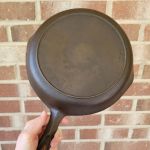 Best Products for Cast Iron Restoration Service: Top Tools and Products
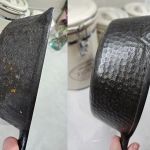 Simple At-Home Techniques for Cast Iron Restoration | Restore Your Cookware
 How to Restore Cast Iron at Home | A Complete Guide for Beginners
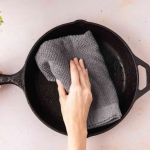 How Long Does Cast Iron Skillet Refinishing Take? Realistic Timeline for Restoration
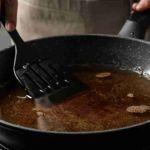 What to Avoid When Attempting Cast Iron Refinishing: Common Mistakes to Watch Out For