
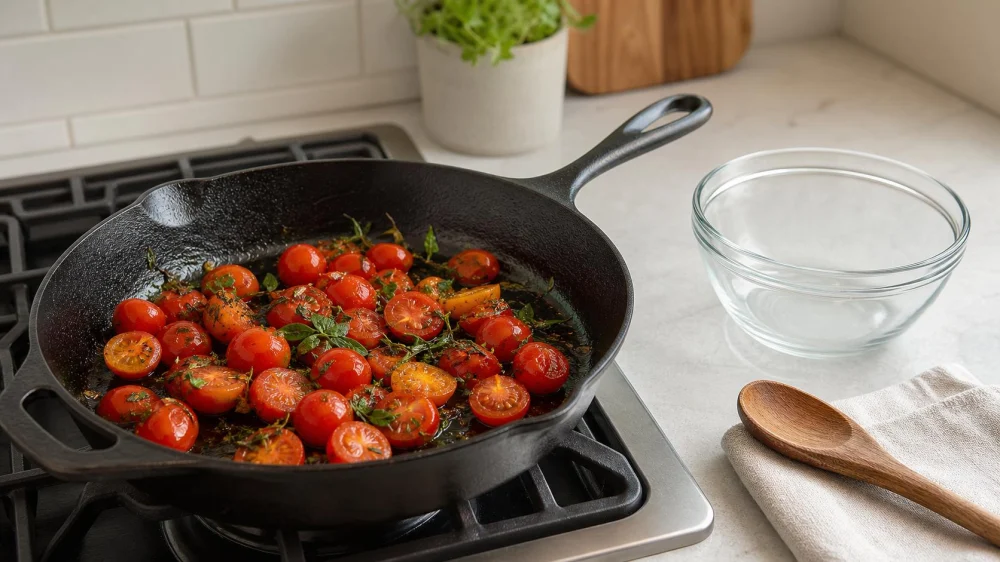
Acidic Foods in Cast Iron: When Cooking Is Okay
On this page
Quick answer
Short cooking with tomatoes, wine, citrus or vinegar is often workable in well-seasoned bare cast iron, but long simmering can weaken seasoning and add a metallic taste—especially in a newly restored pan. Choose stainless steel or intact enameled cast iron for long acidic braises. After cooking, transfer food promptly, wash gently, dry fully and apply a thin oil film if the surface looks dull.

America Refinishing Pros / america refinishing pros
9510 SW 137th Ave, Miami, FL 33186, USA
What acid does to bare cast iron
Acidic cooking in cast iron means food acids contact the polymerized oil seasoning and, if that layer is thin or damaged, the reactive iron beneath. Contact time, acidity, temperature, surface condition and stirring all affect the result.
A mature seasoning layer can tolerate many normal cooking tasks, but it is not an inert glass coating. Extended acid exposure may fade glossy areas, loosen weak seasoning, darken food or create a metallic flavour. This is usually a cookware-performance issue rather than proof that every tomato dish is unsafe.
Chicago Odorless Bathtub Refinishing / eco tub restoration
3236 W Eastwood Ave, Chicago, IL 60625, USA
When to choose or avoid bare cast iron
Often a reasonable choice
- Brief deglazing with wine or vinegar followed by prompt serving.
- Quick tomato, citrus or fruit preparations in an established smooth pan.
- Recipes where browning happens first and acid is added near the end.
Choose another material
- Hours-long tomato sauce, chili or acidic braise.
- Holding or refrigerating cooked acidic food in the pan.
- A newly stripped, newly seasoned or visibly patchy surface.
- Recipes where colour and delicate flavour are critical.
- A cracked, deeply rusted or unknown-coated vintage piece.
Best for: searing and brief finishing in structurally sound, well-seasoned cookware. Not ideal for: long storage, highly acidic simmering or using acidity as a cleaning method.
Practical cooking checklist
- Inspect the surface. It should be clean, dry and free of active rust, loose flakes and questionable coatings.
- Preheat gradually. Use appropriate heat and avoid an empty pan at extreme temperature.
- Add cooking fat. A normal recipe amount can reduce sticking but does not make seasoning acid-proof.
- Limit contact time. Add acidic ingredients later when the recipe allows.
- Taste and observe. Metallic flavour or dark residue suggests the surface is reacting.
- Transfer promptly. Move leftovers to a food-safe nonreactive container.
- Cool safely. Follow standard food-storage time and temperature guidance; the pan material does not replace refrigeration practice.
Clean and restore the surface after cooking
- Let the pan cool enough to handle without thermal shock.
- Wash with warm water, dish soap and a non-damaging brush or sponge.
- For stuck food, use gentle mechanical cleaning rather than prolonged acid soaking.
- Dry immediately and thoroughly, using mild heat only when attended.
- Wipe on a tiny amount of suitable oil, then remove visible excess.
- If the surface became patchy, apply a controlled seasoning cycle before storage.
Modern dish soap is commonly used for routine cleaning; the larger risks to seasoning are harsh abrasion, prolonged soaking, strong chemicals and storing the pan damp.
What common changes mean
- Gray or dull area: seasoning may have thinned; clean, dry and reseason lightly.
- Black flakes: weak carbon or seasoning may be releasing; remove loose material and rebuild a thin stable layer.
- Orange rust: moisture reached bare iron; remove rust appropriately and reseason.
- Metallic-tasting food: transfer the food and use nonreactive cookware next time; assess the pan surface.
- Sticky coating: excess oil or incomplete polymerization may be present; do not solve it by adding another thick coat.
If food has an unusual odour, visible contamination or chemical residue, discard it rather than relying on taste testing.
How enameled cast iron differs
Intact vitreous enamel creates a nonreactive barrier and is generally better suited to long acidic cooking, subject to the manufacturer's instructions. Inspect for chips, cracks and worn interior areas. Do not season enamel as if it were bare iron, and avoid thermal shock or metal tools where prohibited.
A dark matte enamel interior may resemble bare iron but still has a coating. Identify the product before using stripping chemicals, abrasives or seasoning methods.
Safety and evidence notes
This article reflects general cookware-care and food-safety practice. Individual manufacturers may set different use, temperature and cleaning limits. People who have been advised to manage dietary iron should ask a healthcare professional about their specific circumstances rather than using cookware as a treatment or avoidance strategy.
Do not cook with a structurally cracked pan, unknown industrial artifact or cookware carrying an unidentified coating or restoration chemical residue.
Frequently asked questions
Can I cook tomatoes in cast iron?
Yes, especially for a brief recipe in a well-seasoned pan. Long tomato simmering is usually better in stainless steel or intact enamel.
Will vinegar remove seasoning?
Prolonged or concentrated acid exposure can weaken seasoning and attack bare iron. Vinegar rust-removal methods require controlled dilution, timing and complete aftercare.
Is metallic taste dangerous?
It signals an undesirable reaction but does not diagnose toxicity. Stop using that cooking approach, inspect the pan and seek professional guidance for health-specific concerns.
Can acidic food stay in the pan overnight?
No. Transfer leftovers promptly to a suitable container and refrigerate according to food-safety guidance.
Does more seasoning make a pan acid-proof?
No. Thin, well-bonded seasoning improves performance, but it remains an organic coating that can change with time, heat and acid.
Next steps
Inspect the pan's seasoning and choose a short acidic recipe only if the surface is stable. Transfer food after cooking, clean and dry promptly, and watch for dullness, flakes or rust. Use nonreactive cookware for long acidic cooking and seek restoration advice for valuable or uncertain pieces.




 Newman Quality Construction4.0 (12 reviews)
 Mr. Bathtub Indy4.0 (20 reviews)
 NuFinishPro of Newport Beach5.0 (38 reviews)
 Fantastic Restoration4.0 (63 reviews)
 JBCK Custom Homes Builders5.0 (4 reviews)
 Top Refinish4.0 (52 reviews)
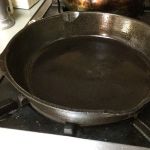 How to Refurbish a Cast Iron Skillet at Home: A Complete Guide
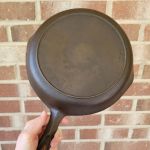 Best Products for Cast Iron Restoration Service: Top Tools and Products
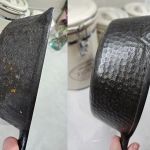 Simple At-Home Techniques for Cast Iron Restoration | Restore Your Cookware
 How to Restore Cast Iron at Home | A Complete Guide for Beginners
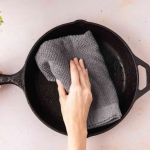 How Long Does Cast Iron Skillet Refinishing Take? Realistic Timeline for Restoration
 What to Avoid When Attempting Cast Iron Refinishing: Common Mistakes to Watch Out For