
- Understanding Refinishing Fumes and Their Risks
- Why Refinishing Fumes Can Become Overwhelming
- Practical Solutions to Manage Overwhelming Fumes
- Effective Ventilation Tips for Refinishing Projects
- When to Seek Professional Help
- Cast Iron Restoration: Tips for Safe Refinishing
1. Understanding Refinishing Fumes and Their Risks
Refinishing projects, whether they involve wood, metal, or other materials, often release fumes that can be both strong-smelling and hazardous. These fumes primarily come from chemicals like paints, varnishes, stains, and solvents. For those who aren't accustomed to these odors, the fumes can quickly become overwhelming, posing risks to both physical health and comfort.
Common substances that emit fumes during refinishing include volatile organic compounds (VOCs), which can irritate the eyes, throat, and skin, and even cause dizziness or nausea if exposure is prolonged. It's important to understand these risks before starting any project, especially when working in enclosed spaces or with materials like cast iron or antique furniture.
2. Why Refinishing Fumes Can Become Overwhelming
There are several reasons why refinishing fumes can become unbearable:
- Concentration of Chemicals: Many refinishing products contain high concentrations of VOCs, which are highly volatile and can easily overwhelm your sense of smell.
- Enclosed Spaces: Working in poorly ventilated areas traps fumes and prevents them from dispersing, leading to an increased concentration of harmful chemicals in the air.
- Duration of Exposure: The longer you are exposed to the fumes, the more intense the discomfort can become. It's important to take breaks or wear protective gear if you're working in a confined space.
Understanding these factors is key to managing fumes effectively and ensuring the safety of your workspace.
3. Practical Solutions to Manage Overwhelming Fumes
Here are a few practical steps you can take to reduce the impact of refinishing fumes:
- Use Low-VOC or VOC-Free Products: Opt for refinishing products that are specifically labeled as low in VOCs or VOC-free. These options are less likely to emit harsh fumes.
- Take Frequent Breaks: If you're working in a confined space, it's essential to step outside regularly to get fresh air and reduce exposure to the fumes.
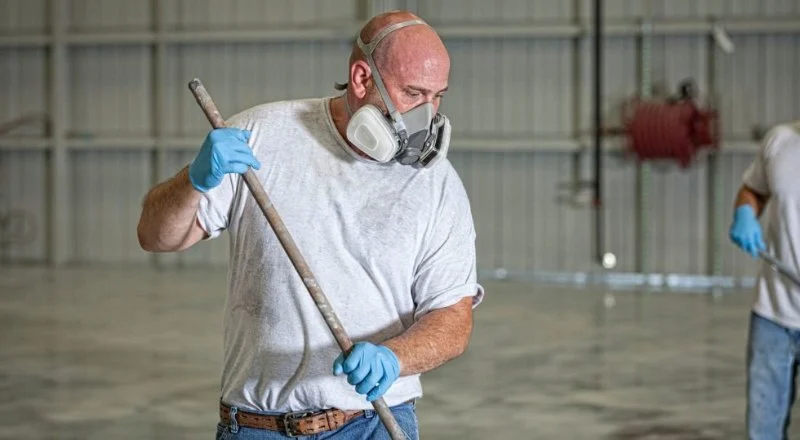
- Use Respirators or Masks: Invest in a high-quality respirator or mask designed to filter out harmful chemicals. This can significantly reduce your inhalation of fumes.
4. Effective Ventilation Tips for Refinishing Projects
Proper ventilation is one of the most effective ways to manage fumes while refinishing. Here are some tips to improve air circulation:
- Open Windows and Doors: Maximize airflow by opening windows and doors to create cross-ventilation. This helps dissipate fumes and bring in fresh air.
- Use Fans: Place fans near windows or doors to push fumes out of the room and pull in fresh air from the outside.
- Install Exhaust Systems: If you are frequently involved in refinishing projects, consider installing an exhaust system or using a specialized ventilation hood to direct fumes outside.
5. When to Seek Professional Help
In some cases, the fumes from refinishing can be so intense that it becomes difficult to manage them on your own. If you're experiencing persistent symptoms such as headaches, dizziness, or nausea, it's essential to seek medical attention immediately. Additionally, if the refinishing project involves working with materials that release particularly dangerous fumes (such as lead-based paint or highly toxic solvents), you may need professional assistance to ensure your safety.
6. Cast Iron Restoration: Tips for Safe Refinishing
Restoring cast iron requires careful refinishing, and the fumes can often be overwhelming due to the heavy-duty chemicals used in the process. When working with cast iron, consider these additional tips:
- Work Outdoors When Possible: If you're refinishing large pieces of cast iron, try to do the work outdoors to ensure better ventilation and reduce the concentration of fumes in your space.
- Use Non-toxic Coatings: Look for cast iron refinishing products that use non-toxic, water-based coatings or paints. These products often have lower levels of harmful fumes.
- Wear Protective Gear: Always wear gloves, goggles, and a high-quality mask to prevent exposure to potentially harmful chemicals during the refinishing process.






 Diamon Remodeling5.0 (2 reviews)
 Marrs Refinishing Inc.4.0 (12 reviews)
 Harder Brothers Construction & Design1.0 (1 reviews)
 Surfaces by Pacific4.0 (878 reviews)
 Kitchen Cubes - Manufacturing4.0 (45 reviews)
 Studio A Home Design4.0 (24 reviews)
 How to Refurbish a Cast Iron Skillet at Home: A Complete Guide
 Best Products for Cast Iron Restoration Service: Top Tools and Products
 Simple At-Home Techniques for Cast Iron Restoration | Restore Your Cookware
 How to Restore Cast Iron at Home | A Complete Guide for Beginners
 How Long Does Cast Iron Skillet Refinishing Take? Realistic Timeline for Restoration
 What to Avoid When Attempting Cast Iron Refinishing: Common Mistakes to Watch Out For