
- 1-Understanding Cast Iron Restoration
- 2-Common Mistakes in Cast Iron Restoration
- 3-How to Avoid These Restoration Mistakes
- 4-Real-Life Examples of Cast Iron Restoration Errors
- 5-How Cast Iron Restoration Can Help
1. Understanding Cast Iron Restoration
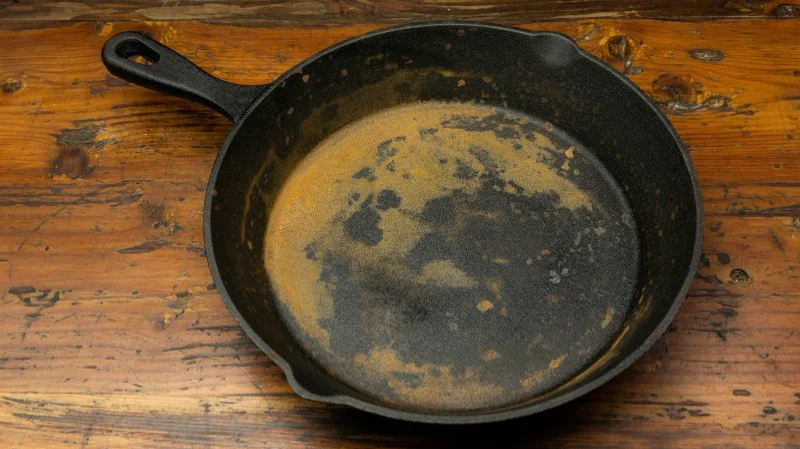
Cast iron restoration is the process of bringing old or damaged cast iron pieces back to their original beauty and functionality. This can include repairing cracks, removing rust, and applying new finishes. Cast iron is a durable material, but over time, exposure to the elements can lead to deterioration, including rust, stains, and physical damage. Restoration not only helps preserve the aesthetic of cast iron items but also extends their lifespan, allowing them to be functional for years to come.
The process involves several stages, including cleaning, rust removal, crack repair, and finishing. While cast iron restoration can be a rewarding task, it requires careful attention to detail and knowledge of the right techniques to avoid common mistakes that could damage the piece further.

Miracle Method Surface Refinishing / miracle bathtub refinishing
Santa RosaSonoma CountyCalifornia
3200 Dutton Ave Suite #325, Santa Rosa, CA 95407, USA
2. Common Mistakes in Cast Iron Restoration
Even experienced restorers can make mistakes during the restoration of cast iron. Here are some of the most common errors and how they can impact your restoration project:

Carefree Koatings / miracle method louisville ky
8919 Renetta Ct, Cincinnati, OH 45251, USA
2.1 Skipping the Cleaning Process
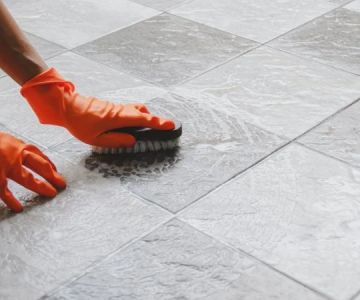
One of the most common mistakes in cast iron restoration is neglecting the cleaning phase. If you skip cleaning, any dirt, grease, or rust left on the surface can interfere with the restoration process, causing new layers of paint or sealant to peel off or fail to bond properly. Cleaning is essential to ensure a smooth and successful restoration.
2.2 Using Harsh Chemicals or Abrasive Tools
Some people mistakenly use overly aggressive chemicals or abrasive tools like wire brushes or sandblasters to remove rust. While these tools might seem effective, they can damage the surface of the cast iron, leading to pitting, weakening the material, or even causing new cracks. Instead, use gentler rust removers or a wire brush with care.
2.3 Ignoring Small Cracks and Imperfections
Another common mistake is ignoring small cracks or imperfections in the cast iron. While they may appear to be minor, cracks can worsen over time and lead to more extensive damage. It’s important to address these issues early by filling cracks or repairing areas with structural damage before moving on to the next stages of restoration.
2.4 Overlooking Proper Drying Time
Rushing the drying process is a mistake many restorers make. Whether it’s after cleaning, rust removal, or applying a new coat of paint, allowing sufficient drying time is crucial to prevent issues like smudging, uneven finishes, or rust reappearing. Always allow enough time for each layer to fully dry before proceeding to the next step.
2.5 Using the Wrong Paint or Finish
Not all paints or finishes are suitable for cast iron. Using the wrong type of paint can result in poor adhesion, flaking, or cracking over time. Ensure you use high-quality, heat-resistant paint or a finish specifically designed for cast iron. Additionally, be mindful of the temperature range of the finish to prevent peeling under heat exposure.
3. How to Avoid These Restoration Mistakes
Now that you know the common mistakes to avoid, here are some expert tips to help you achieve the best results in cast iron restoration:
3.1 Start with Thorough Cleaning
Clean your cast iron thoroughly before starting any restoration work. Use a gentle degreaser to remove oils and grime, and then use a rust remover to eliminate any existing rust. Afterward, scrub the surface with a soft brush or cloth to ensure the iron is free of dirt and debris.
3.2 Choose the Right Tools and Materials
Invest in the right tools for the job. Avoid using harsh chemicals or abrasive tools, and instead opt for tools that are safe for cast iron surfaces. When it comes to finishes, always choose products that are designed specifically for metal or cast iron to ensure a durable and long-lasting result.
3.3 Address Cracks and Damage Early
Inspect your cast iron carefully for any cracks or structural damage. Fill in cracks with an appropriate filler and allow it to set properly before continuing with the restoration process. Taking care of these issues early on will save you time and effort later and ensure the structural integrity of the cast iron piece.
3.4 Be Patient with Drying Times
Ensure each step of the restoration process has ample drying time. Patience during the drying process can prevent costly mistakes like uneven paint or damage to the surface. Follow the manufacturer’s instructions for drying times, especially when applying new layers of paint or sealant.
4. Real-Life Examples of Cast Iron Restoration Errors
Here are a couple of examples where mistakes in cast iron restoration led to less-than-ideal results:
4.1 Example 1: Misuse of Abrasive Tools
A homeowner in California attempted to restore an antique cast iron skillet by using a wire brush to remove rust. Unfortunately, the abrasive brush scratched the surface, leaving the skillet with permanent pitting. The key lesson here is to use softer cleaning methods to avoid damaging the surface.
4.2 Example 2: Inadequate Crack Repair
Another case involved a cast iron fireplace insert that had small cracks in the base. The owner neglected to repair these cracks before applying a new finish. Over time, the cracks expanded, leading to more significant damage and making the restoration process much more expensive. Proper crack repair early in the process could have avoided this issue.
5. How Cast Iron Restoration Can Help
At Cast Iron Restoration, we specialize in providing high-quality products and expert services for restoring your cast iron pieces. Whether it’s an antique skillet, a decorative item, or a cast iron tub, our team is dedicated to ensuring your items are restored to their full glory.
We offer a range of restoration kits, specialized paints, and tools designed specifically for cast iron, making the process easier and more effective. Visit us today to find the right products for your next restoration project.





 The Bathtub Doctor, Inc.4.0 (26 reviews)
 The Bathroom Solution by Treasure Remodeling5.0 (25 reviews)
 Chicago Odorless Bathtub Refinishing4.0 (37 reviews)
 Radical Radiator Restorations4.0 (24 reviews)
 Highwood Builder Group5.0 (15 reviews)
 Decor bathroom and renovation llc5.0 (6 reviews)
 How to Refurbish a Cast Iron Skillet at Home: A Complete Guide
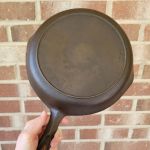 Best Products for Cast Iron Restoration Service: Top Tools and Products
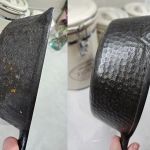 Simple At-Home Techniques for Cast Iron Restoration | Restore Your Cookware
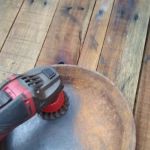 How to Restore Cast Iron at Home | A Complete Guide for Beginners
 How Long Does Cast Iron Skillet Refinishing Take? Realistic Timeline for Restoration
 What to Avoid When Attempting Cast Iron Refinishing: Common Mistakes to Watch Out For